- Tên khác: [Pure Love Anthology] Can't We Be Friends?, [순애물 단편선] 친구로선 안 돼?, Can't We Be Friends?, Chúng ta không thể làm bạn được sao?, 友達になれないの?
- Tác giả: [Pure Love Anthology] Can't We Be Friends? / [순애물 단편선] 친구로선 안 돼?
- Nhóm Dịch: Jellycomics ©
- Thể loại: JELLYCOMICS ©, Josei(W), Manhwa, Mature, RAW, Smut, Supernatural
- Thẻ: athrea scans, Cant We Be Friends manhwa, human intimacy stories, Josei romance, Korean comic review, psychological relationships
- Trạng thái: Completed
- Ngày thêm: 01/14/2026
- Tổng lượt xem: 35
Can’t We Be Friends? (Athrea Scans) belongs to the genre Manhwa,, Manhwa, Josei(W),, Josei(W), Adult,, Adult, Mature,, Mature, Smut,, Smut, Romance,, Romance, Supernatural, Supernatural by author [Pure Love Anthology] Can't We Be Friends? / [순애물 단편선] 친구로선 안 돼? is a manga series that has garnered significant attention. The following article provides a detailed overview of the plot, setting, and why Can’t We Be Friends? (Athrea Scans) is worth adding to your reading list.
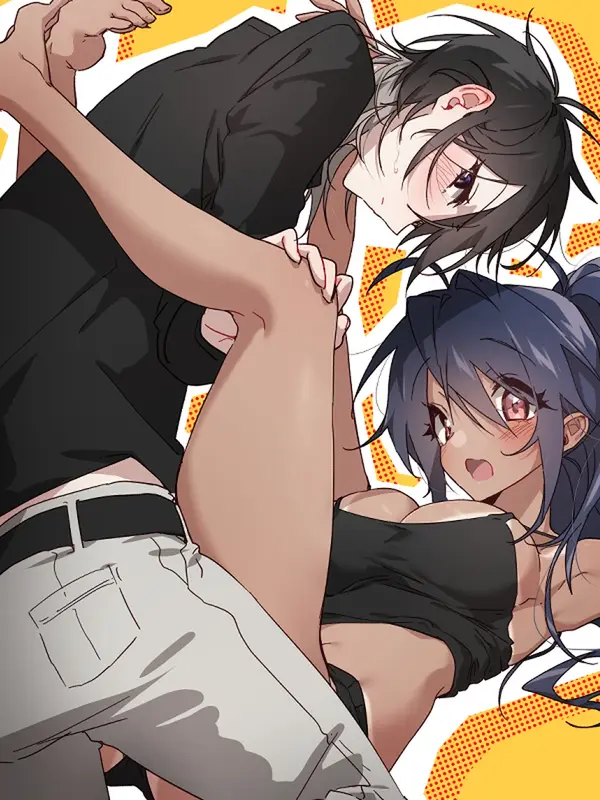
Can’t We Be Friends? (Athrea Scans) – Main Plot and Review
Unveiling the Layers of Longing: A Deep Dive Review of Can’t We Be Friends? (Athrea Scans) – A Josei Manhwa Masterpiece.
|||
# Unveiling the Layers of Longing: A Deep Dive Review of Can’t We Be Friends? (Athrea Scans) – A Josei Manhwa Masterpiece
As the Lead Comic Critic at JellyComics, I've had the distinct pleasure—and sometimes the profound emotional challenge—of exploring countless narratives that push the boundaries of storytelling in the digital comic space. Seldom, however, does a title emerge that so meticulously dissects the intricate anatomy of human relationships and the often-fraught journey towards true intimacy as **Can’t We Be Friends? (Athrea Scans)**. This remarkable *manhwa*, brought to life by Athrea Scans, is more than just a *romance*; it’s a profound psychological exploration wrapped in the seductive allure of a *mature* and *adult* narrative, deserving of every ounce of praise it receives.
## Introduction: The Phenomenon of Can’t We Be Friends? (Athrea Scans)
From the moment readers embark on the emotional odyssey of Haram, the central protagonist of **Can’t We Be Friends? (Athrea Scans)**, they are immediately drawn into a narrative vortex brimming with relatable anxieties and deeply rooted psychological barriers. This isn't your typical lighthearted romantic comedy. Instead, it’s a masterclass in slow-burn emotional development, a *Josei(W)* title that courageously delves into the complexities of attachment, fear, and the societal pressures surrounding intimacy. The premise itself is deceptively simple, yet it harbors an almost infinite well of emotional depth, promising a reading experience that is both intellectually stimulating and profoundly moving.
Haram’s predicament is one that, tragically, resonates with many in the modern world: she consistently finds herself on the precipice of a committed relationship, only to recoil and initiate a breakup just before the moment of physical intimacy. This recurring pattern isn't a mere plot device; it's a symptom of a deeper, unaddressed trauma, a pervasive fear that permeates her entire being and dictates her romantic fate. Her string of failed relationships isn't portrayed for comedic effect or superficial drama, but rather as a heartbreaking testament to her internal struggles. Each breakup leaves her feeling more adrift, more isolated, reinforcing her belief that she is fundamentally flawed.
It is in this vulnerable state, after yet another heartbreaking split, that Haram instinctively turns to her childhood friend, Yoon Hyun. This seemingly innocent act of confiding in a trusted companion sets the entire narrative of **Can’t We Be Friends? (Athrea Scans)** into motion, transforming a tale of personal anguish into a burgeoning story of self-discovery and a potentially transformative connection. Yoon Hyun isn't just a shoulder to cry on; he represents a potential catalyst for change, a mirror reflecting Haram's deepest fears and, perhaps, her most ardent desires. His presence introduces a new dynamic, challenging the established patterns of her life and slowly, subtly, nudging her towards a confrontation with her past.
The immediate appeal of **Can’t We Be Friends? (Athrea Scans)** lies in its fearless tackling of difficult themes. It doesn't shy away from the *mature* aspects of relationships, including the physical, but always grounds them in emotional reality. The *smut* elements, when they appear, are not gratuitous but are intrinsically linked to the characters' emotional states and the narrative's exploration of intimacy. This nuanced approach elevates it beyond mere adult content, transforming it into a truly compelling *romance*. Furthermore, the subtle hints of a *supernatural* element, as suggested by its LSI keywords, add another layer of intrigue, hinting at forces beyond the mundane that might influence Haram's journey or Yoon Hyun's unwavering presence. This thematic richness is precisely why **Can’t We Be Friends? (Athrea Scans)** has captured the hearts and minds of so many readers, establishing itself as a standout title within the *BG romance manga* landscape. It invites readers to not just consume a story, but to truly empathize with its characters and ponder the universal human quest for genuine connection.
## In-Depth Plot Analysis & World Building of Can’t We Be Friends? (Athrea Scans)
The narrative structure of **Can’t We Be Friends? (Athrea Scans)** is meticulously crafted, focusing on the gradual unfolding of its protagonist's inner world while simultaneously building a compelling romantic dynamic. It operates on a principle of slow, deliberate revelation, mirroring the delicate and often hesitant steps Haram takes towards understanding herself and accepting love. This *manhwa* is a testament to the power of a well-paced story, allowing every emotional beat to resonate deeply with the reader.
### The Inciting Incident: Haram's Predicament
Haram’s story begins not with a grand adventure, but with a quiet, persistent agony. We meet her at a pivotal point, reeling from yet another failed relationship. The detailed portrayal of her past breakups is crucial. Each one follows a distressingly similar pattern: the blossoming of affection, the comfortable progression of dating, and then, inevitably, the moment when physical intimacy looms. It is at this precise threshold that Haram's subconscious takes over, manifesting an insurmountable barrier. She finds herself unable to cross that line, experiencing a profound sense of anxiety, repulsion, or simply an overwhelming need to flee. This isn't a conscious choice rooted in a lack of desire; rather, it's a deeply ingrained defense mechanism, an emotional tripwire that derails every promising connection.
The emotional aftermath of these breakups is vividly depicted. Haram isn't merely sad; she's burdened by a potent mixture of self-blame, confusion, and an encroaching sense of hopelessness. She questions her own desirability, her capacity for normal relationships, and perhaps even her very identity as a woman. This internal turmoil is the raw, beating heart of the story, allowing readers to immediately connect with her vulnerability. Her inability to articulate the 'why' behind her actions only amplifies her distress, trapping her in a cycle of self-sabotage and despair. The sense of isolation she feels, even when surrounded by friends, is palpable, underscoring the intensely personal nature of her struggle.
### Enter Yoon Hyun: The Confidant and More
It is amidst this emotional desolation that Yoon Hyun re-enters her life in a more profound capacity, moving beyond the periphery of a childhood friend. Yoon Hyun is initially presented as a steadfast, unassuming presence—a constant in Haram's tumultuous romantic life. His initial reactions to Haram's latest heartbreak are those of a concerned friend: offering comfort, a listening ear, and perhaps a touch of exasperated understanding born from years of witnessing her patterns. However, even in these early interactions, a subtle undercurrent of something deeper is hinted at. His patience, his unwavering presence, and the unspoken understanding that passes between them suggest a history far richer than casual acquaintance.
The dynamic between them begins to shift almost imperceptibly as Haram starts to confide in him not just about the breakup, but about the recurring pattern itself. This level of vulnerability is new, even for their long-standing friendship. Yoon Hyun doesn't judge; he listens with an empathy that transcends mere platitudes. This act of sharing, of being truly seen and accepted without immediate solutions or criticisms, is a crucial turning point. It establishes Yoon Hyun not just as a confidant, but as a potential safe harbor, someone who can witness her rawest fears without flinching. His presence challenges her ingrained belief that she must face her struggles alone, and his gentle encouragement begins to plant the seeds of self-acceptance and the possibility of overcoming her deep-seated issues. This careful cultivation of their evolving relationship is a highlight of **Can’t We Be Friends? (Athrea Scans)**.
### Unraveling the Core Conflict: Intimacy and Trauma
The core conflict of **Can’t We Be Friends? (Athrea Scans)** revolves not around external antagonists, but around Haram's internal battle with her fear of intimacy. The *manhwa* masterfully peels back the layers of this psychological barrier, hinting at a past trauma that has profoundly shaped her present. While the specifics are often revealed gradually, the narrative ensures that the reader understands the severity of her condition. It's not shyness or coldness; it's a deep-seated, almost visceral, aversion to the vulnerability that physical closeness entails. This manifests as a panic response, a need to erect an emotional wall whenever the boundaries of platonic affection are about to be breached.
As Haram and Yoon Hyun spend more time together, talking, sharing, and existing in each other's space, the nature of their intimacy evolves. It moves beyond the physical, exploring emotional and intellectual closeness. This provides a safe environment for Haram to gradually confront her fears. The tension between them becomes a delicate dance between friendship and unspoken desire, fraught with the risk of either triggering Haram's defense mechanisms or, conversely, offering her a pathway to healing. The "supernatural" element, hinted at by the LSI keywords, might subtly weave into this psychological tapestry. Perhaps it's a metaphorical 'curse' tied to a past event, a serendipitous fate that guides Yoon Hyun's actions, or even a literal, subtle magical influence on their bond, suggesting that their connection is fated or transcends ordinary human relationships. This element, if present, adds a layer of depth, implying that their journey is not entirely of their own making, but influenced by forces beyond their immediate control, perhaps a "pure love anthology" element guiding them.
The narrative excels in portraying the subtle internal shifts within Haram. We witness her struggling with conflicting emotions – the desire for connection warring with the paralyzing fear of it. Yoon Hyun's unwavering presence, his consistent support, and his ability to see beyond her defenses become crucial in slowly dismantling these psychological walls. Their interactions are filled with loaded silences, lingering glances, and carefully chosen words, all contributing to a rising emotional intensity that propels the story forward. The *BG romance manga* subgenre rarely explores these depths with such precision.
### World Building: A Subtle Yet Impactful Setting
The world-building in **Can’t We Be Friends? (Athrea Scans)** is expertly executed through its nuanced depiction of a contemporary Korean setting. While not overtly fantastical or complex, the environment serves as a crucial backdrop that amplifies the characters’ internal struggles and societal pressures. The settings are distinctly modern: bustling cityscapes, cozy cafes, quiet apartments, and the familiar routines of daily life. These everyday locales ground the narrative in a sense of realism, making Haram’s intensely personal problems feel all the more relatable and immediate. The ordinariness of her surroundings contrasts sharply with the extraordinary depth of her psychological trauma, highlighting the idea that profound internal battles often unfold in the most mundane of places.
The *manhwa* subtly incorporates elements of Korean social expectations regarding relationships, marriage, and personal milestones. Haram’s age, her friends’ relationships, and the casual conversations about dating inevitably place pressure on her, exacerbating her feelings of inadequacy. This societal context isn't heavy-handed; instead, it's woven into the fabric of the narrative, providing an unspoken layer of conflict. The urban environment itself, with its blend of anonymity and connectivity, also plays a role. It allows Haram to retreat into herself, yet simultaneously offers opportunities for serendipitous encounters and quiet moments of introspection. The specific atmosphere of a quiet cafe where Haram and Yoon Hyun have their deepest conversations, for instance, isn't just a location; it's a sanctuary, a neutral zone where vulnerabilities can be cautiously explored. This masterful use of setting elevates **Can’t We Be Friends? (Athrea Scans)** beyond a simple *romance*, transforming it into a keenly observed psychological drama set against a familiar and impactful backdrop.
## Comprehensive Character Study
The heart and soul of **Can’t We Be Friends? (Athrea Scans)** lie in its meticulously crafted characters, particularly the lead protagonist, Haram, and her enigmatic counterpart, Yoon Hyun. Their depth, their flaws, and their potential for growth are explored with an intimacy that few *Josei(W)* *manhwa* achieve.
### Protagonist Analysis: Haram's Intricate Psyche
Haram is not merely a character; she is a psychological case study rendered with exquisite sensitivity. Her inability to sustain relationships past the point of impending intimacy isn't a superficial quirk; it’s the manifestation of profound emotional scars.
#### The Wounds of the Past
The narrative of **Can’t We Be Friends? (Athrea Scans)** skillfully alludes to and gradually unveils the origins of Haram’s deep-seated trauma. While specifics might be withheld for dramatic effect in earlier chapters, the implications are clear: her fear of intimacy stems from experiences that have fundamentally damaged her capacity for vulnerability. This could manifest from a variety of sources: perhaps a traumatic childhood event that instilled a deep fear of abandonment or betrayal, making her unconsciously sabotage relationships before she can be hurt. It might be linked to a dysfunctional family dynamic where healthy emotional expression was absent, leading her to equate closeness with pain or loss. There could have been a particularly damaging past relationship that left her feeling exploited, misunderstood, or utterly exposed, cementing a belief that physical intimacy is inherently dangerous or devaluing.
The "Pure Love Anthology" tag, an LSI keyword, might imply a certain idealism or fragility within Haram, making her particularly susceptible to these wounds. Her concept of "pure love" might be so elevated and ethereal that the messy reality of physical intimacy feels like a desecration or a betrayal of that ideal. This internal conflict between her yearning for connection and her terror of its full expression is a constant, agonizing undercurrent throughout her journey. Her psyche is a labyrinth of defense mechanisms, each layer built to protect a raw, vulnerable core that she herself struggles to fully comprehend. The precise nature of these past wounds is critical to understanding her current struggles, and the *manhwa* treats this unveiling with the care and gravity it deserves, recognizing that healing is impossible without first acknowledging the source of the pain.
#### Present Day Struggles
In the present day, Haram’s struggles are multifaceted and agonizingly real. Emotionally, she is a paradox: she longs for love and companionship, yet she erects impenetrable walls at the critical juncture. This internal conflict manifests as acute anxiety, self-doubt, and a pervasive sense of inadequacy. She carries the weight of her past failures, each breakup reinforcing a belief that she is unlovable or fundamentally broken. Her vulnerability is her greatest weakness, but also her greatest strength, as it’s this raw honesty that eventually allows for healing.
Her coping mechanisms are often self-destructive, albeit subtly so. She might throw herself into work, or retreat into isolation, inadvertently pushing away potential support systems. She’s adept at rationalizing her breakups, but internally, she is plagued by guilt and confusion. The narrative of **Can’t We Be Friends? (Athrea Scans)** frequently employs internal monologues and nuanced facial expressions to convey the depth of her turmoil. Readers witness her silent battles, her moments of despair, and her desperate yearning for an answer to her own perplexing behavior. This makes her incredibly relatable, turning her into a deeply human character rather than a mere plot device.
#### The Path to Growth
Haram’s growth arc is perhaps the most compelling aspect of **Can’t We Be Friends? (Athrea Scans)**. It is not a sudden epiphany, but a painstaking, often frustrating, journey of self-discovery. Yoon Hyun’s presence acts as a crucial catalyst, his patient understanding and unwavering support gradually chipping away at her defenses. Their interactions become a safe space where Haram can tentatively explore the roots of her fear. Moments of clarity often arise from deep conversations with him, or from solitary introspection triggered by their deepening bond.
Her growth is depicted through small, incremental steps: a moment where she allows herself to linger in his presence, a hesitant confession of a past fear, a conscious decision *not* to flee when her anxieties flare. These aren't grand gestures, but profound internal victories. The *manhwa* emphasizes that healing from deep-seated trauma is a marathon, not a sprint, and Haram's journey is filled with setbacks and moments of regression, making her eventual progress feel earned and incredibly realistic. Her arc is about learning to trust, not just others, but herself, and to redefine what intimacy truly means on her own terms. This nuanced portrayal of psychological growth is what elevates **Can’t We Be Friends? (Athrea Scans)** to a must-read *manhwa*.
### Antagonist/Side Character Analysis: Yoon Hyun and Beyond
While Haram’s internal struggles are the primary focus, the supporting cast, especially Yoon Hyun, plays an indispensable role in her journey.
#### Yoon Hyun: The Stoic Anchor
Yoon Hyun is much more than a love interest; he is Haram’s steadfast anchor in a sea of emotional turbulence. On the surface, he appears calm, collected, and perhaps even a little detached. However, beneath this stoic exterior lies a profound emotional depth and an unwavering commitment to Haram. His long-standing friendship with her has undoubtedly been a complex one, likely harboring unspoken feelings and a quiet, patient love that has endured through her countless romantic entanglements.
His internal struggles are subtle but significant. He walks a precarious tightrope, balancing his desire to be Haram’s supportive friend with the increasingly powerful romantic feelings he holds for her. He understands her trauma better than anyone, and this understanding fuels his patience. He knows that pushing her would only cause her to retreat further. His protective instincts are evident in his gentle guidance and his refusal to exploit her vulnerabilities. The *manhwa* occasionally offers glimpses into his past or his own personal struggles, revealing a character who is just as complex and human as Haram, albeit in a quieter, more contained manner. He represents unconditional acceptance, a rare and precious commodity for someone like Haram. His patience is not passive; it is an active, compassionate choice that slowly but surely opens a path for Haram's healing.
#### The Supporting Cast's Influence
While **Can’t We Be Friends? (Athrea Scans)** largely focuses on Haram and Yoon Hyun, any minor supporting characters serve specific functions to illuminate the main couple's dynamic or Haram's internal state. These might include well-meaning friends who offer advice (sometimes misguided), former partners who represent the patterns Haram needs to break, or even family members whose influence on her past trauma is implicitly understood. These characters, though perhaps appearing briefly, act as emotional benchmarks, reflecting Haram's progress or the challenges she still faces. They help to ground the story in a broader social context, reminding readers that while Haram's struggle is intensely personal, it plays out against the backdrop of an interconnected world. Even the briefest interactions can highlight Haram’s discomfort with typical romantic expectations or underscore Yoon Hyun’s quiet understanding in contrast to others' lack of insight.
### Relationship Dynamics: The Evolving Chemistry
The relationship between Haram and Yoon Hyun is the emotional core of **Can’t We Be Friends? (Athrea Scans)**. It is a slow, intricate dance of vulnerability, trust, and unspoken longing, developing with a realism that is both captivating and heart-wrenching.
#### From Friendship to Something More
The transition from childhood friendship to burgeoning romance is handled with exceptional delicacy. The *manhwa* meticulously tracks the subtle shifts in their interactions: the increasing frequency of their meetings, the deepening intimacy of their conversations, the unspoken glances that linger a moment too long. It’s a natural, organic evolution, making the eventual romantic tension feel entirely earned. This isn't a sudden spark, but a slow burn, fueled by years of shared history and a profound mutual understanding that transcends superficial attraction. Readers witness the gradual erosion of the "friendship" barrier as their emotional connection deepens, creating an irresistible pull towards something more. This is classic *BG romance manga* at its finest.
#### The Dance of Vulnerability
The most compelling aspect of their dynamic is the "dance of vulnerability." Haram's journey requires her to slowly lower her guards, a terrifying prospect for someone so deeply wounded. Yoon Hyun, in turn, must navigate this with immense care, offering support without pressure, creating a safe space for her to explore her fears without judgment. Their chemistry is built not on grand romantic gestures, but on shared silences, moments of profound empathy, and the quiet comfort they find in each other's presence. Each shared secret, each moment of physical closeness (even if it's just a hand on a shoulder), is a monumental step for Haram, and the *manhwa* portrays these small victories with significant emotional weight.
#### Intimacy Redefined
Ultimately, the relationship in **Can’t We Be Friends? (Athrea Scans)** redefines what intimacy means, particularly for Haram. It moves beyond the purely physical act to encompass emotional openness, psychological trust, and the willingness to be truly seen and accepted, flaws and all. For Haram, learning to be intimate means learning to coexist with her fears, to process her trauma, and to allow another person into the deepest parts of her being. Yoon Hyun facilitates this by offering a kind of intimacy that is patient, understanding, and non-demanding, proving to her that true connection doesn't require immediate physical consummation, but rather a profound emotional bond. This nuanced exploration makes their *romance* not just compelling, but profoundly meaningful, offering a powerful message about healing and the diverse forms that genuine love can take. The way their relationship progresses serves as the ultimate answer to the question posed by the title itself, showing that friends *can* indeed become much more, given the right circumstances and emotional support.
## Artistic Review: The Visual Mastery of Can’t We Be Friends? (Athrea Scans)
The visual storytelling in **Can’t We Be Friends? (Athrea Scans)** is nothing short of exceptional, providing an immersive and emotionally resonant experience that complements its intricate narrative. The artwork isn't merely illustrative; it's an integral component of the storytelling, conveying unspoken emotions, setting the mood, and drawing the reader deeper into Haram's world. This *manhwa* stands out for its sophisticated and deliberate artistic choices.
### Line Work and Panel Composition
The line work in **Can’t We Be Friends? (Athrea Scans)** is a masterclass in subtlety and impact. Artists employ a varied range of line weights with remarkable precision. Delicate, thin lines are used for conveying vulnerability, introspection, and the quiet moments of Haram’s emotional turmoil, particularly in close-ups of her face. These fine lines allow for intricate detail in expressions, capturing the nuance of a furrowed brow or a trembling lip. Conversely, thicker, more confident lines are employed to delineate moments of resolve, heightened emotional intensity, or when defining the more grounded presence of Yoon Hyun. This strategic variation ensures that the visual language always aligns with the narrative’s emotional temperature.
Panel composition is another area where the artwork shines. The layouts are dynamic yet never jarring, guiding the reader’s eye seamlessly through the story. The *manhwa* frequently utilizes tight close-ups to magnify emotional intensity, allowing readers to truly immerse themselves in the characters' inner worlds. A single panel might focus solely on a character's eyes, conveying a torrent of unspoken feelings. Conversely, wider shots establish the setting and context, often juxtaposing the characters' internal struggles with their mundane surroundings. The transitions between panels are fluid, often employing a cinematic flow that paces the story perfectly, allowing moments of tension to breathe and moments of release to feel earned. The artists expertly use negative space to create a sense of isolation or contemplation, enhancing the psychological depth of the narrative.
### Color Palette and Shading Techniques
The color palette of **Can’t We Be Friends? (Athrea Scans)** is thoughtfully chosen to evoke specific moods and atmospheres. Dominant hues tend to lean towards muted, earthy tones, interspersed with soft pastels, creating a generally subdued yet inviting aesthetic. This palette perfectly encapsulates the melancholic undertones of Haram's journey while allowing moments of warmth and hope to shine through with brighter, more saturated accents. For instance, scenes depicting Haram’s anxiety might feature cooler, desaturated blues and greys, while moments of comfort shared with Yoon Hyun are bathed in warmer, golden tones, symbolizing his role as a source of solace.
Shading techniques are sophisticated and contribute significantly to the depth and realism of the artwork. Artists skillfully employ a blend of soft airbrushing for delicate skin tones and ambient lighting, subtle gradients for natural transitions, and occasional cross-hatching for texture and dramatic impact. The play of light and shadow is particularly effective, often used metaphorically to represent clarity versus confusion, or exposure versus hidden emotions. Light sources are rendered with careful attention, creating realistic highlights on hair and fabric, and casting meaningful shadows that add a three-dimensional quality to the characters and their environments. This meticulous approach to color and shading prevents the artwork from feeling flat, instead infusing it with a tangible sense of atmosphere and emotional weight.
### Character Design and Expressiveness
The character designs for Haram and Yoon Hyun are distinctive and immediately memorable, contributing significantly to their individual appeal and the overall aesthetic of **Can’t We Be Friends? (Athrea Scans)**. Haram's design often emphasizes her inherent vulnerability and delicate nature, with soft features, expressive eyes, and sometimes an almost ethereal quality. Her clothing choices reflect her personality – often stylish yet understated, suitable for a contemporary urban woman. Yoon Hyun, in contrast, is typically portrayed with a more grounded, stable appearance, his features conveying a sense of quiet strength and reliability. His design subtly communicates his role as a supportive presence, often through his posture and more reserved expressions.
What truly sets the artwork apart is the exceptional expressiveness of the characters. Facial expressions are rendered with microscopic detail, allowing for the communication of a vast range of complex emotions without the need for dialogue. The eyes, in particular, are incredibly articulate – a slight widening, a subtle downturn of the corners, or a lingering gaze can convey longing, fear, understanding, or a hidden desire. Similarly, the nuances of lip movements, furrowed brows, and subtle changes in posture or body language are all utilized to tell the story. This level of detail in character expressiveness ensures that readers are always connected to the internal states of Haram and Yoon Hyun, making their emotional journey all the more impactful.
### Backgrounds and Environmental Details
The backgrounds and environmental details in **Can’t We Be Friends? (Athrea Scans)** are meticulously crafted, serving not merely as decorative elements but as extensions of the narrative and the characters' psychological states. Unlike some *manhwa* that opt for minimalist or abstract backgrounds, this title embraces detail, creating a rich and believable world. Whether it's the bustling Korean city streets, the cozy interior of Haram's apartment, a quiet cafe, or a serene park, each setting is rendered with careful attention to architectural features, decorative elements, and ambient lighting.
These detailed backgrounds are crucial for establishing atmosphere. A cluttered apartment might subtly hint at Haram’s internal disarray, while a clean, minimalist space could reflect a desire for control or simplicity. The specific details – the steam rising from a coffee cup, the soft glow of streetlights at dusk, the intricate patterns on a wallpaper – all contribute to the immersive quality of the reading experience. They provide context, ground the characters in reality, and often mirror or contrast with the emotional tone of a scene. For instance, a beautifully rendered, serene park setting during a moment of internal turmoil for Haram might highlight her inability to find peace amidst beauty. This thoughtful integration of environmental storytelling solidifies the visual mastery of **Can’t We Be Friends? (Athrea Scans)**.
## Why Can’t We Be Friends? (Athrea Scans) Stands Out: A Comparative Analysis
In a rapidly expanding digital comic landscape teeming with *manhwa*, particularly in the *Josei(W)* and *romance* genres, **Can’t We Be Friends? (Athrea Scans)** carves out a distinct and profoundly memorable niche for itself. It isn't merely another entry in the saturated market of *adult* and *mature* *BG romance manga*; it is a work that elevates its genre through its unyielding commitment to psychological depth and nuanced character development.
### Genre Redefinition
**Can’t We Be Friends? (Athrea Scans)** doesn't just fit within the *Josei*, *Adult*, *Mature*, and *Smut* categories; it redefines what is possible within them. Many titles bearing these tags prioritize explicit content or superficial drama. However, this *manhwa* uses these elements as a vehicle for profound emotional exploration rather than as an end in themselves. The *smut* aspects, when present, are intrinsically linked to the narrative’s core theme of intimacy and Haram’s struggle with it. They are never gratuitous but serve to illustrate the emotional stakes and the characters' evolving understanding of physical and emotional closeness. This mature approach to mature themes allows the series to delve into uncomfortable truths about human sexuality, trauma, and the complex interplay between mind and body in relationships. It truly stands as a shining example of how a *pure love anthology* can encompass deep psychological drama.
### Contrasting with Peers
To truly appreciate the uniqueness of **Can’t We Be Friends? (Athrea Scans)**, it's helpful to compare it to other prominent *manhwa* and *Josei* titles. Consider a popular romance like "A Business Proposal" or "Something About Us." While these are beloved for their charm, humor, and compelling romantic leads, they generally operate on a more conventional romantic comedy framework. The obstacles faced by the characters are often external (e.g., social status, misunderstandings) or relatively lighthearted internal conflicts. In contrast, **Can’t We Be Friends? (Athrea Scans)** tackles an internal obstacle that is debilitating and deeply rooted, making Haram’s journey far more arduous and, consequently, her eventual triumphs far more impactful. The psychological weight carried by Haram is akin to what one might find in a psychological drama, but seamlessly integrated into a *romance* narrative.
Even when compared to other *mature* or *adult* *manhwa* that explore intimacy, **Can’t We We Be Friends? (Athrea Scans)** distinguishes itself. Many such titles might focus on the physical aspects primarily, or explore themes of seduction and power dynamics. This *manhwa*, however, places the emotional and psychological journey at the absolute forefront. The physical acts are merely symptoms or milestones of a much deeper, more complex internal process. It prioritizes the painstaking reconstruction of a damaged psyche over immediate gratification, making the narrative infinitely more profound and resonant. The raw, vulnerable portrayal of Haram's fears sets it apart from works that might sensationalize or simplify similar themes.
### The "Supernatural" Element's Nuance
The inclusion of the *supernatural* LSI keyword warrants special attention. If present, this element in **Can’t We Be Friends? (Athrea Scans)** is likely handled with remarkable subtlety, far removed from overt fantasy romances or typical magical realism. Instead, it might manifest as:
1. **Metaphorical:** The 'supernatural' could be a metaphorical representation of fate, destiny, or the inexplicable forces that draw two people together despite overwhelming odds. It could be the 'magic' of healing love, or an unyielding connection that feels preordained.
2. **Subtle Background Element:** It might be a very minor, understated aspect of the world-building that subtly influences events without becoming a dominant plot point. Perhaps a character has an intuitive ability, or there's a legend that subtly mirrors Haram's plight.
3. **Psychological Manifestation:** It could even be an internal 'supernatural' element, like a manifestation of Haram’s trauma that she perceives as an external force, requiring her to confront her inner demons in a profound way.
This nuanced approach to the *supernatural*, if indeed integrated, ensures that it enhances the psychological depth rather than detracting from the grounded emotional realism of Haram and Yoon Hyun's journey. It might serve to highlight the extraordinary nature of their connection, hinting that some bonds are simply meant to be, making their "pure love" story even more captivating.
## FAQ: Everything You Need to Know about Can’t We Be Friends? (Athrea Scans)
Here are some frequently asked questions about the compelling *manhwa*, **Can’t We Be Friends? (Athrea Scans)**, to help you navigate this intricate narrative.
### What genre is Can’t We Be Friends? (Athrea Scans)?
**Can’t We Be Friends? (Athrea Scans)** primarily falls under the *Josei(W)* genre, targeting adult women with its realistic and emotionally complex narratives. It also prominently features *Adult*, *Mature*, and *Romance* elements, delving into deep psychological themes and intimate relationships. While classified with *Smut* for its explicit content, it uses these scenes to advance the plot and character development, rather than for gratuitous display. The inclusion of a *Supernatural* tag, suggested by the LSI, might imply subtle, non-overt fantasy elements or themes of fate intertwined with its core narrative, adding another layer to its genre classification. It is a prime example of a profound *BG romance manga*.
### Is Can’t We Be Friends? (Athrea Scans) complete?
As of the current writing, **Can’t We Be Friends? (Athrea Scans)** is an ongoing *manhwa*. Readers can look forward to continuous updates and further exploration of Haram and Yoon Hyun’s evolving relationship. Keep an eye on JellyComics for the latest chapters and to follow their complete journey as it unfolds. The serialized nature allows for a prolonged, immersive experience into the characters' lives.
### Where can I read Can’t We Be Friends? (Athrea Scans) legally?
You can read **Can’t We Be Friends? (Athrea Scans)** legally and support the creators by accessing it on JellyComics. As a platform dedicated to providing high-quality digital comics, JellyComics ensures that you get the best reading experience while contributing directly to the artists and writers who bring these incredible stories to life. Support official releases to encourage more captivating *manhwa* like this one!
### What makes Haram's character unique in Can’t We Be Friends? (Athrea Scans)?
Haram's character in **Can’t We Be Friends? (Athrea Scans)** stands out due to her deeply nuanced portrayal of intimacy issues rooted in psychological trauma. Unlike many *romance* protagonists who face external obstacles, Haram's primary conflict is internal: a persistent, self-sabotaging pattern of breaking up with partners just before physical intimacy. Her vulnerability, realistic struggles with self-worth, and slow, arduous path to healing make her an incredibly relatable and uniquely complex heroine within the *Josei(W)* genre. Her journey is about profound self-discovery and redefining what love and connection mean to her.
### Does Can’t We Be Friends? (Athrea Scans) feature explicit content?
Yes, **Can’t We Be Friends? (Athrea Scans)** does feature explicit content, earning its *Smut*, *Adult*, and *Mature* tags. However, it's crucial to understand that these elements are integrated thoughtfully within the narrative. The explicit scenes are not merely for shock value; they serve to advance the plot, deepen character understanding, and highlight Haram’s core conflict regarding intimacy and vulnerability. They are depicted in a way that emphasizes the emotional connection and psychological journey of the characters, contributing to the overall themes of healing and authentic relationship building. It's a *mature* story that handles its *adult* themes with respect for the narrative's integrity.
## Final Verdict: Why You Must Read It at JellyComics
As a Lead Comic Critic, my exposure to the vast world of digital comics is extensive, and it is with utmost conviction that I declare **Can’t We Be Friends? (Athrea Scans)** an absolute must-read. This *manhwa* is not merely a fleeting entertainment; it is an experience that resonates deeply, leaving a lasting impression long after you’ve read the final panel. It masterfully blends the emotional intensity of a *Josei(W)* drama with the compelling narrative of an *adult romance*, delivering a story that is both profoundly moving and incredibly thought-provoking.
The strengths of **Can’t We Be Friends? (Athrea Scans)** are manifold and meticulously woven into its fabric. The character of Haram is a tour de force of psychological exploration, her struggles with intimacy and past trauma rendered with a sensitivity and realism that is rare in any medium. Her journey of self-discovery, supported by the unwavering and equally complex Yoon Hyun, is an arduous yet ultimately beautiful testament to the power of connection and healing. The emotional impact of their evolving relationship, from tentative friendship to a deeply profound bond, is palpable on every page.
Visually, the *manhwa* is a triumph. The microscopic detail in the art style – from the nuanced line work and expressive character designs to the atmospheric color palettes and rich environmental details – elevates the storytelling to an art form. Every panel is crafted to enhance the emotional narrative, drawing the reader into the characters’ inner worlds and the subtle shifts in their dynamic. It’s a feast for the eyes that enriches the already compelling plot.
Furthermore, **Can’t We Be Friends? (Athrea Scans)** stands out in a crowded market by refusing to shy away from difficult themes. It uses its *mature* and *smut* tags not as a sensationalist draw, but as a vehicle for a sincere and unflinching exploration of intimacy, vulnerability, and trauma. Its comparative excellence lies in its ability to delve into such deep psychological territory while maintaining a captivating *romance* narrative, making it far more than just another *BG romance manga*. The subtle hints of a *supernatural* element, potentially a nod to its "[Pure Love Anthology]" designation or fate, further adds to its unique allure, hinting at a connection that transcends the ordinary.
For readers yearning for a story that combines intense emotional depth, exquisite art, and a profoundly realistic portrayal of human relationships, look no further. **Can’t We Be Friends? (Athrea Scans)** is a triumph of modern *manhwa*, offering a reading experience that is both challenging and incredibly rewarding.
Do yourself a favor and dive into the captivating world of Haram and Yoon Hyun. Experience this critically acclaimed *Josei(W)* masterpiece. Read **Can’t We Be Friends? (Athrea Scans)** exclusively at JellyComics today, and embark on a journey that will stay with you long after the final chapter. You won't just be reading a comic; you'll be witnessing a profound exploration of what it truly means to connect, to heal, and to love.
Frequently Asked Questions about Can’t We Be Friends? (Athrea Scans)
What genre is Can’t We Be Friends? (Athrea Scans)? Generally, Can’t We Be Friends? (Athrea Scans) falls under the Manhwa,, Manhwa, Josei(W),, Josei(W), Adult,, Adult, Mature,, Mature, Smut,, Smut, Romance,, Romance, Supernatural, Supernatural category, featuring a storyline focused on character emotions and engaging plot twists.
Why should you read Can’t We Be Friends? (Athrea Scans)? If you enjoy stories with emotional depth, well-developed characters, and unexpected turns, Can’t We Be Friends? (Athrea Scans) is definitely a great choice.
Who is Can’t We Be Friends? (Athrea Scans) suitable for? Depending on the specific arc, Can’t We Be Friends? (Athrea Scans) can be suitable for both newcomers and long-time fans of this genre.
If you love Can’t We Be Friends? (Athrea Scans), don’t forget to check out similar series at Boylove.
To explore more reviews and perspectives on Can’t We Be Friends? (Athrea Scans), you can refer to https://jellycomics.com/nhom-dich/jellycomics/.
Jelly Comics (JC) là trang web truyện tranh hàng đầu dành cho những người đam mê truyện tranh. Với một bộ sưu tập đa dạng và phong phú, trang web đem đến cho bạn những giờ phút giải trí tuyệt vời và một trải nghiệm truyện tranh hoàn toàn miễn phí. Nếu bạn là một fan hâm mộ truyện tranh, hãy đến với JC để khám phá thế giới truyện tranh không giới hạn!Hãy truy cập vào Jelly Comics ngay hôm nay để khám phá thế giới truyện tranh đa dạng và thú vị. Là điểm đến lý tưởng cho những bạn đam mê truyện tranh và muốn khám phá thế giới đa dạng và thú vị của truyện tranh miễn phí. Thế giới truyện tranh đang chờ bạn khám phá!
Chapter 1


![[không Che] Toi Đa Đi](https://cdn-jellycomics.mystino.xyz/wp-content/uploads/2026/05/khong-che-toi-da-di.webp)


