- Tên khác: type , to searchsearchComics, A Song For You To Howl, Bài hát để bạn hú lên, Kimi ga Hoeru Tame no Uta Wo
- Tác giả: Kashikaze
- Nhóm Dịch: Jellycomics ©
- Thể loại: JELLYCOMICS ©, MANGA, Music, RAW, Yuri(GL), 🇯🇵
- Thẻ: Kimi ga Hoeru Tame no Uta Wo, manga about growth, manga about trauma, music manga, poignant Yuri manga, school life manga, Yuri manga
- Trạng thái: OnGoing
- Ngày thêm: 01/16/2026
- Tổng lượt xem: 12
Kimi ga Hoeru Tame no Uta Wo belongs to the genre 🇯🇵, 🇯🇵, Manga,, Manga, Yuri(GL),, Yuri(GL), Music,, Music, School Life, School Life by author Kashikaze is a manga series that has garnered significant attention. The following article provides a detailed overview of the plot, setting, and why Kimi ga Hoeru Tame no Uta Wo is worth adding to your reading list.
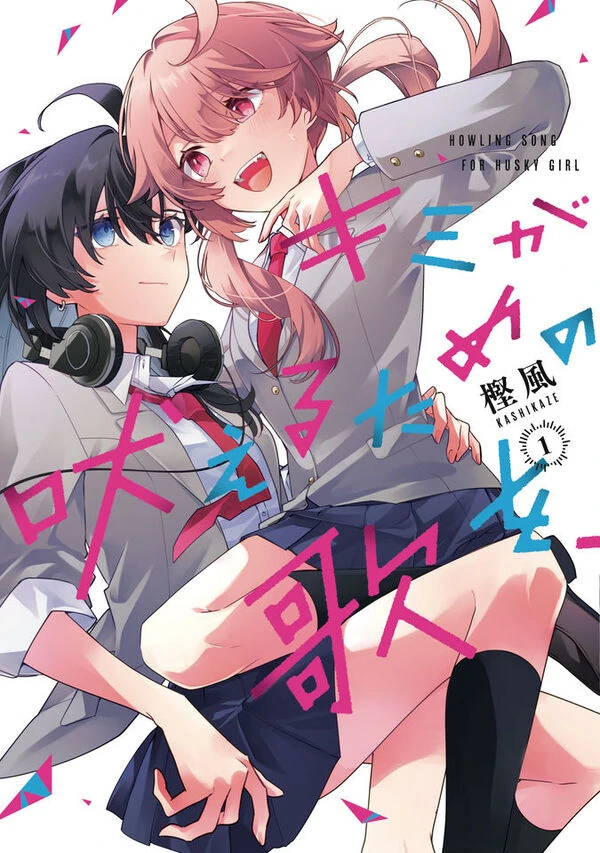
Kimi ga Hoeru Tame no Uta Wo – Main Plot and Review
Dive deep into Kimi ga Hoeru Tame no Uta Wo, a poignant Yuri manga exploring music, trauma, and growth. Uncover its art, characters, and unique appeal in our expert review.
|||
# Unleashing the Voice Within: A Deep Dive into the Soul-Stirring Symphony of Kimi ga Hoeru Tame no Uta Wo
Welcome, fellow aficionados of sequential art and heartfelt narratives, to another JellyComics Deep Dive! As your Lead Comic Critic, I've had the distinct pleasure of immersing myself in a truly captivating **Yuri manga** that is steadily capturing the hearts of readers: *Kimi ga Hoeru Tame no Uta Wo*. This isn't just another **school life** story; it's a profound exploration of identity, vulnerability, and the transformative power of **music**. From its intricate character studies to its breathtaking art, this series, despite its relatively nascent presence in the broader manga landscape, offers a rich tapestry of emotion and growth that demands our thorough attention.
The journey begins with Oogami Haru, a high school student grappling with an internal dissonance. Her outwardly childish appearance stands in stark contrast to her deep, resonant singing voice – a voice she secretly unleashes upon the internet, hidden behind the anonymity of a digital persona. This duality is a core theme of *Kimi ga Hoeru Tame no Uta Wo*, highlighting the masks we wear and the authentic selves we long to reveal. Haru's fear of ridicule, a universal adolescent anxiety, is palpably conveyed through her initial interactions and internal monologues. It’s a fear deeply rooted in societal expectations and personal insecurities, making her struggles instantly relatable to anyone who has ever felt "different."
Her meticulously constructed world of secrecy is shattered, yet simultaneously rebuilt, when her astute classmate, Narumiya Yuu, uncovers her online activities. What Haru anticipates as a moment of public humiliation transforms into an unexpected invitation – an opportunity to forge a musical group, a partnership built on shared passion and unspoken burdens. This pivotal moment is not just a plot device; it's a profound turning point that sets the stage for Haru's arduous yet beautiful journey of self-acceptance and emotional liberation. The narrative, steeped in the delicate nuances of nascent **GL manga** relationships, promises not only romantic development but also profound personal evolution, making *Kimi ga Hoeru Tame no Uta Wo* a standout title in its genre.
This **manga** beautifully articulates the silent battles fought within, using **music** as both a medium for expression and a catalyst for healing. The statistical data surrounding *Kimi ga Hoeru Tame no Uta Wo* at JellyComics, while still reflective of a growing title, speaks volumes about its burgeoning appeal. With a total of 14.3K views over its lifetime, and a remarkable 14.3K within the last 360 days, it’s clear this series has found its audience and is drawing in new readers consistently. The more recent engagement metrics—1.1K views in the last 30 days, 352 in the last 7 days, and even 35 in the last 24 hours—demonstrate a consistent, albeit organic, growth in readership. This kind of steady, sustained interest, especially for a series with < 300 public votes, often points to a hidden gem that word-of-mouth (or in our digital age, word-of-share) is elevating. The 336 follows and 49 'Plan to read' statuses further solidify its reputation as a promising work, one that readers are actively seeking out and committing to. This is precisely the kind of burgeoning artistic endeavor we at JellyComics champion, and it's why *Kimi ga Hoeru Tame no Uta Wo* deserves this in-depth critical examination. It's a testament to author Kashikaze's skill in crafting a narrative that resonates deeply, promising a journey worth embarking upon for any discerning **Yuri** or **music** manga enthusiast.
### Introduction: The Phenomenon of Kimi ga Hoeru Tame no Uta Wo
*Kimi ga Hoeru Tame no Uta Wo*, translating to "A Song for You to Bark," is more than just a title; it's a provocative statement, hinting at the raw, almost primal nature of finding and using one's voice. This manga, from the very first page, sets itself apart with its delicate yet impactful storytelling, immediately drawing readers into the nuanced emotional landscape of its characters. It's a narrative that understands the inherent struggles of adolescence, amplifying them through the lens of artistic expression and burgeoning romantic connection. The combination of **Yuri**, **music**, and **school life** themes is not novel, but the execution here is anything but conventional.
What truly elevates *Kimi ga Hoeru Tame no Uta Wo* from a simple narrative to a phenomenon in its own right is its ability to tap into universal anxieties and aspirations. The fear of being seen, the yearning for acceptance, and the quiet courage it takes to pursue one's passions are all woven into the fabric of Haru and Yuu's story. It's a narrative that doesn't shy away from the awkwardness and vulnerability of forming deep connections, especially when both individuals are grappling with their own internal demons. The manga explores how shared creativity, in this case, music, can become a bridge between isolated souls, allowing them to communicate in ways words alone often fail.
The subtle yet compelling development of the relationship between Haru and Yuu is another cornerstone of its appeal. It's a slow burn, characterized by hesitant glances, unspoken understandings, and the gradual erosion of personal barriers. This patient pacing allows the **GL manga** elements to feel earned and authentic, rather than forced. Readers are invited to witness the genesis of a bond that is both platonic and romantic, a friendship that deepens into something more profound and supportive. The journey of these two girls, burdened by their pasts yet hopeful for a future shaped by their shared music, is what makes *Kimi ga Hoeru Tame no Uta Wo* resonate so deeply with its growing readership.
The burgeoning community around *Kimi ga Hoeru Tame no Uta Wo* is further evidence of its impact. While the total number of votes might seem modest at less than 300, the steady stream of reader engagement tells a different story. The fact that 336 individuals are actively following the series, and 49 have explicitly added it to their 'Plan to Read' lists, indicates a strong underlying interest and trust in the quality of the storytelling. Furthermore, the 37 readers actively 'Reading' and one 'Re-reading' the series highlight its immediate appeal and potential for re-engagement. Even the 2 'On hold' and 2 'Dropped' statuses are natural parts of any series' lifecycle, overshadowed by the overwhelmingly positive indicators of dedicated readership. This is a series that, despite its quieter beginnings, is steadily building a devoted following, much like a beautiful melody that slowly finds its way into one's heart, proving its worth far beyond mere initial popularity statistics. It’s a testament to the author, Kashikaze, for crafting such a compelling narrative within the **Yuri manga** space.
### In-Depth Plot Analysis & World Building of Kimi ga Hoeru Tame no Uta Wo
The narrative engine of *Kimi ga Hoeru Tame no Uta Wo* is deceptively simple, yet it spins a tale of remarkable complexity and emotional depth. At its core, it's a coming-of-age story about two high school girls, Oogami Haru and Narumiya Yuu, who find solace and purpose in **music**. However, this fundamental premise serves as a springboard for exploring profound themes of self-identity, vulnerability, and the intricate process of forming authentic connections. The world-building, while seemingly confined to a typical **school life** setting, is meticulously crafted to amplify the characters' internal states.
Haru's initial predicament is instantly compelling. She embodies the classic struggle of feeling misplaced in one's own skin. Her "childish appearance" juxtaposed with her "deep voice" creates an internal conflict that is both visually and emotionally striking. This physical and vocal dichotomy fuels her insecurity, leading her to seek anonymity online. The internet, a familiar trope in modern narratives, here becomes a sanctuary where she can express her true self without the fear of judgment. Her secret uploading of singing videos isn't just a hobby; it's a vital outlet, a clandestine act of self-preservation and artistic release. This initial setup effectively establishes her profound internal world, a place rich with talent but also riddled with anxiety.
The catalyst for change arrives in the form of Narumiya Yuu. Yuu’s discovery of Haru's online persona is the inciting incident that propels the plot forward. The manga masterfully builds the tension leading up to this revelation, making Haru’s subsequent fear of ridicule palpable. The expected negative reaction, however, is subverted. Yuu’s response is not one of mockery but of recognition and admiration, a pivotal moment that reshapes Haru’s entire worldview. This subversion of expectation is crucial, as it immediately signals that *Kimi ga Hoeru Tame no Uta Wo* is not interested in superficial drama but in exploring deeper, more empathetic human connections. Yuu’s invitation to form a musical group is the narrative's key turning point, transforming Haru’s isolated passion into a shared journey.
The establishment of their musical group marks the beginning of their collaborative and emotional development. The "shared story of **music** and youth" blossoms here, as they navigate the challenges of songwriting, performing, and simply working together. The early chapters focus on the tentative steps of their partnership: the initial awkwardness, the moments of creative synergy, and the subtle ways they begin to learn about each other's vulnerabilities. The struggles aren't always external; much of the conflict is internal, stemming from Haru's lingering insecurities and Yuu's own undisclosed "burdens by the past." This focus on internal, psychological drama is a hallmark of quality **Yuri manga**, allowing for rich character development that goes beyond surface-level interactions.
The **school life** backdrop provides a familiar yet effective stage for their story. Classrooms, music rooms, and school events become settings where their bond is tested and strengthened. The manga uses these everyday environments to ground the extraordinary journey of self-discovery and connection. The mundanity of school life acts as a foil to the profound emotional arcs unfolding, highlighting how even in ordinary settings, extraordinary personal growth can occur. The narrative also hints at the broader social dynamics of high school, touching upon peer perceptions and the pressure to conform, which further accentuates Haru’s initial desire for anonymity.
As the plot progresses, the focus shifts to the unfolding dynamic between Haru and Yuu. Their musical collaboration becomes a metaphor for their evolving emotional intimacy. Songwriting sessions aren't just about crafting lyrics and melodies; they're about sharing fragments of their souls, revealing hidden fears and dreams. Performances, whether in a private setting or on a larger stage, become acts of courage, where Haru learns to embrace her voice not just for an anonymous online audience, but for Yuu and, crucially, for herself. The emotional stakes are continually raised as their connection deepens, moving from a musical partnership to a profound bond that transcends friendship and hints at romantic feelings, solidifying its place as a compelling **GL manga**.
While avoiding major ending spoilers, it's clear that the overarching arc of *Kimi ga Hoeru Tame no Uta Wo* is one of healing and empowerment. Each challenge they face, whether it's a creative block, a misunderstanding, or a confrontation with their past traumas, serves to strengthen their resolve and deepen their understanding of each other. The narrative expertly balances moments of joyous creative breakthroughs with periods of introspective struggle, creating a rhythm that mimics the ebb and flow of real-life emotional journeys. Author Kashikaze demonstrates a keen understanding of how shared experience, particularly within the context of artistic creation, can be the most potent force for personal transformation, making this **manga** a truly resonant experience.
### Comprehensive Character Study
The heart of *Kimi ga Hoeru Tame no Uta Wo* lies in its meticulously crafted characters, particularly the central duo. Their individual complexities and the way they intertwine form the emotional backbone of this compelling **Yuri manga**.
#### Protagonist Analysis: Oogami Haru
Oogami Haru is a masterclass in nuanced character portrayal. Her initial state is defined by profound internal conflict and a deep-seated insecurity stemming from the perceived mismatch between her physical appearance and her powerful, resonant singing voice. She's trapped in a paradox: she possesses an extraordinary talent, yet fears its revelation. This fear is not superficial; it's rooted in past experiences and societal expectations that have taught her to hide what makes her unique. Her "childish appearance" is a source of self-consciousness, making her feel perpetually underestimated or misunderstood. This deep-seated trauma manifests as a reluctance to engage authentically, preferring the safe, anonymous confines of the internet to truly express herself.
Haru's journey is one of gradual, often painful, self-acceptance. Her online persona is a shield, allowing her to "bark" her songs without showing her face, a metaphor for her guarded heart. The moment Yuu discovers her secret is terrifying precisely because it threatens this carefully constructed anonymity. Yet, it is this very exposure that begins her healing. Yuu's acceptance, devoid of judgment, is the first crack in Haru's emotional armor. Her growth arc is meticulously detailed: from her initial shyness and hesitation to her tentative steps towards collaboration, and eventually, to embracing her voice with confidence. The **music** becomes her therapy, each lyric, each melody, a step towards integrating her disparate selves. She learns to harmonize not just with Yuu’s instruments, but with her own internal landscape. Her courage is not a sudden epiphany but a slow, arduous process, making her transformation incredibly believable and inspiring for readers of this **manga**.
#### Antagonist/Side Character Analysis: Narumiya Yuu
Narumiya Yuu is not an antagonist in the conventional sense but rather a catalyst and a mirror for Haru's growth. She is the force that pulls Haru out of her self-imposed isolation. Yuu's character is introduced with an air of perceptive quietness; she observes, she understands, and she acts with purpose. Her motivation for inviting Haru to form a musical group transcends mere admiration for Haru's voice. Yuu, too, is "burdened by the past," suggesting she carries her own emotional weight, which she might see reflected in Haru's hidden struggles. This shared burden forms an unspoken understanding between them, creating a foundation of empathy that allows their bond to deepen.
Yuu’s role is multifaceted: she is an enabler, a partner, and a gentle provocateur. She challenges Haru without being overbearing, encouraging her to step outside her comfort zone. Her presence grounds Haru, offering a stable and accepting environment where Haru can experiment and fail without fear. While the narrative primarily focuses on Haru's internal journey, Yuu's character is essential for providing external impetus and emotional support. Her quieter presence often speaks volumes, demonstrating a maturity and insight that complements Haru’s more overt anxieties. Yuu's own past traumas, hinted at but not fully revealed in the earlier parts of the story, add layers to her character, suggesting that her empathy for Haru stems from a deeply personal understanding of pain and the healing power of connection, enriching the **GL manga** experience.
#### Relationship Dynamics (Chemistry)
The relationship between Haru and Yuu is the pulsating core of *Kimi ga Hoeru Tame no Uta Wo*. It's a prime example of expert **Yuri (GL)** storytelling, illustrating how profound emotional intimacy can develop organically and beautifully. Their chemistry isn't instantaneous or explosive; it's a delicate bloom, nurtured by shared vulnerability and mutual respect. The initial spark is Yuu’s recognition of Haru’s hidden talent, but the flame is fanned by their collaborative **music** creation.
The **music** itself acts as a third character in their relationship. It's the language through which they communicate their deepest feelings, often before they can articulate them verbally. Songwriting sessions become intimate confessionals, where melodies express anxieties, and lyrics reveal hopes. This shared creative endeavor builds an unbreakable bond, a unique form of trust that allows them to peel back layers of their respective traumas. Haru learns to trust Yuu with her most vulnerable self, her voice, while Yuu finds an outlet for her own hidden emotions through their shared compositions.
Their dynamic is characterized by a beautiful balance of support and challenge. Yuu provides the unwavering encouragement Haru needs to overcome her stage fright and self-doubt. In turn, Haru's passionate voice inspires Yuu, giving purpose to her musical aspirations. The subtle gestures – a reassuring glance, a shared smile after a successful rehearsal, the way they instinctively understand each other's musical cues – all contribute to the deeply intimate atmosphere of their developing relationship. This is not merely a friendship; it is a profound connection that blossoms into something akin to romantic love, explored with tenderness and authenticity. The manga carefully navigates the complexities of adolescent affection, portraying a bond that is both emotionally resonant and visually captivating, making it a compelling read for fans of **GL manga** and character-driven narratives.
### Artistic Review: The Visual Mastery of Kimi ga Hoeru Tame no Uta Wo
The visual storytelling in *Kimi ga Hoeru Tame no Uta Wo* is nothing short of exceptional, providing a critical layer of depth and emotional resonance to its already powerful narrative. The artist, Kashikaze, employs a style that is both delicately refined and expressively dynamic, perfectly capturing the nuanced emotions and the inherent energy of **music**. Every panel feels intentionally crafted, serving to amplify the internal world of the characters and the overall atmospheric tone of this **Yuri manga**.
Let's begin with the **line work**. Kashikaze utilizes a varied approach, demonstrating incredible control. Character outlines are often crisp and clean, allowing for clear expressions and postures, yet there’s an underlying softness that prevents them from feeling rigid. This delicate balance perfectly mirrors Haru's internal struggle – her desire for clarity and self-expression juxtaposed with her inherent vulnerability. When depicting intense emotions, the lines can become slightly more agitated or expressive, conveying a sense of raw feeling without resorting to caricature. For environmental details, lines might be finer, adding texture and depth to the **school life** settings without distracting from the characters.
**Shading** is employed with remarkable artistry, creating mood and form. The use of traditional screentones is precise, lending texture to hair, clothing, and backgrounds. However, it's the subtle interplay of light and shadow that truly stands out. When Haru is grappling with her insecurities, panels often feature heavier shadows, subtly obscuring parts of her face or body, symbolizing her desire to hide. Conversely, moments of breakthrough or joy are bathed in soft, ethereal light, emphasizing hope and clarity. The way light reflects off characters' eyes, particularly during emotional exchanges, adds an incredible depth of feeling, allowing the reader to almost see into their souls. This nuanced shading technique is particularly effective in conveying the intimacy and emotional vulnerability central to the **GL manga** genre.
The character designs themselves are a testament to thoughtful artistry. Haru's "childish appearance" is rendered with soft features, large, expressive eyes that often betray a deeper sadness or anxiety, and often slightly tousled hair that hints at her unpretentious nature. This design perfectly sets up the contrast with her deep singing voice. Yuu, on the other hand, often has a slightly more composed and elegant design, with clean lines and a more serene expression, reflecting her role as Haru's anchor. Their contrasting designs visually underscore their complementary personalities. Facial expressions are incredibly detailed, from the subtlest furrow of a brow to the wide-eyed wonder of a performance, communicating a rich spectrum of emotions without relying solely on dialogue.
**Panel flow and composition** are handled with sophisticated grace. Kashikaze employs a varied panel layout, avoiding monotony. Sometimes, panels are tightly packed, accelerating the narrative pace or creating a sense of confinement during moments of internal struggle. At other times, expansive, borderless panels are used to emphasize key emotional moments or the grandeur of a musical performance, allowing the art to breathe and truly shine. The artist frequently uses close-ups on hands, musical instruments, or subtle facial gestures to emphasize unspoken feelings or the tactile experience of **music**. The visual rhythm of the manga often mimics the ebb and flow of a song, with quiet, contemplative panels interspersed with more dynamic, energetic compositions. When music is being performed, the art cleverly visualizes sound – not literally, but through dynamic lines, sparkling effects, or fluid character movements that convey the impact and beauty of their songs.
Even the **backgrounds**, often overlooked, are meticulously detailed. The school environment isn't just a generic backdrop; specific classrooms, the music room, and even subtle changes in lighting through windows contribute to the atmosphere. These detailed settings ground the story in a tangible reality, making the characters' emotional journeys feel more immediate and relatable. The overall visual mastery of *Kimi ga Hoeru Tame no Uta Wo* ensures that the art is not merely illustrative but an integral, expressive component of the storytelling, enhancing every facet of this remarkable **manga**.
### Why Kimi ga Hoeru Tame no Uta Wo Stands Out: A Comparative Analysis
In a landscape rich with **Yuri (GL)** and **music** themed **manga**, *Kimi ga Hoeru Tame no Uta Wo* carves out its unique niche by blending familiar tropes with a distinctive emotional depth and artistic sensibility. To truly appreciate its singularity, it's beneficial to compare it with other giants in the genre.
Consider *Bloom Into You*, often lauded for its sophisticated exploration of queer identity and the complexities of love. While *Bloom Into You* delves into the intellectual and emotional struggle of understanding romantic attraction, *Kimi ga Hoeru Tame no Uta Wo* offers a more visceral journey focused on finding one's authentic voice and healing through shared artistic expression. Both feature nuanced **GL manga** relationships, but *Kimi ga Hoeru Tame no Uta Wo* emphasizes the transformative power of a specific art form—music—as the primary catalyst for character growth and romantic development. Haru's vocal insecurities and Yuu's quiet depth create a different kind of emotional dependency and mutual support, distinct from the introspective and often challenging relationship dynamics of Yuu and Touko.
Then there's *K-On!*, a popular **school life** **manga** centered around a light music club. *K-On!* is celebrated for its heartwarming slice-of-life comedy and celebration of friendship. While *Kimi ga Hoeru Tame no Uta Wo* shares the **school life** setting and a focus on **music**, its tone is significantly more earnest and introspective. It delves deeper into the psychological burdens of its protagonists, using music not just for fun or bonding, but as a crucial tool for confronting trauma and achieving self-actualization. The stakes in *Kimi ga Hoeru Tame no Uta Wo* feel higher, the emotional journey more profound, making it a more poignant and dramatic read compared to *K-On!'s* lighthearted charm.
Another relevant comparison might be *Given*, a **manga** known for its powerful exploration of grief, healing, and the redemptive nature of music within a band setting. *Kimi ga Hoeru Tame no Uta Wo* shares *Given*'s emphasis on music as a vessel for emotional release and healing from past trauma. However, while *Given* often grapples with explicit loss and its aftermath, *Kimi ga Hoeru Tame no Uta Wo* focuses more on pre-existing internal insecurities and the journey of self-discovery through finding one's voice. Both use the band dynamic to explore complex relationships, but *Kimi ga Hoeru Tame no Uta Wo* brings a specific **Yuri** lens to the emotional interplay, emphasizing the unique nuances of female relationships within the context of artistic collaboration.
What truly makes *Kimi ga Hoeru Tame no Uta Wo* stand out is its specific alchemy: the deeply empathetic portrayal of Haru's internal battle with self-perception, the understated yet powerful role of Yuu as a catalyst for change, and the exquisite way **music** is woven into every fabric of their healing and connection. It’s a series that understands that sometimes, the loudest voices are those that have been silenced for too long, and that finding the courage to "bark" your song can be the most revolutionary act of all. The artistry, particularly Kashikaze's detailed character expressions and atmospheric shading, further elevates this **manga**, making it a compelling and distinctive addition to the **Yuri manga** genre.
### FAQ: Everything You Need to Know about Kimi ga Hoeru Tame no Uta Wo
To further illuminate the depths of this remarkable **manga**, here are some frequently asked questions that readers often pose, helping to paint a complete picture of *Kimi ga Hoeru Tame no Uta Wo*.
#### H3: What genre best describes Kimi ga Hoeru Tame no Uta Wo?
*Kimi ga Hoeru Tame no Uta Wo* predominantly falls into the **Yuri (Girl's Love)** genre, exploring the development of a romantic and deeply intimate relationship between its two female protagonists, Oogami Haru and Narumiya Yuu. Beyond its **GL manga** classification, it is also a compelling **school life** drama, a profound **music** series, and a slice-of-life story focused on coming-of-age, self-discovery, and emotional healing. Its blend of these elements creates a rich and multifaceted reading experience.
#### H3: Is Kimi ga Hoeru Tame no Uta Wo completed, or is it an ongoing manga?
Based on the provided data, which lists "1 Completed," alongside multiple "Reading," "Plan to read," and "On hold" statuses, it suggests that the manga may be either recently completed or is nearing its conclusion. The community engagement still being active with recent views also indicates that it's very much alive in reader consciousness, whether new chapters are being released or it's being discovered post-completion. For the most current status, readers should check the official JellyComics page or the publisher's announcements.
#### H3: What are the central themes explored in Kimi ga Hoeru Tame no Uta Wo?
The core themes of *Kimi ga Hoeru Tame no Uta Wo* are profoundly impactful. They include the search for self-identity and authenticity, overcoming deep-seated insecurities and past trauma, the transformative and healing power of **music**, the courage required for self-expression, and the development of profound emotional and romantic connections (the **Yuri** aspect). It meticulously explores how individuals reconcile their inner selves with external perceptions, finding liberation through shared artistic endeavors.
#### H3: Who is Kimi ga Hoeru Tame no Uta Wo recommended for?
This **manga** is highly recommended for readers who appreciate character-driven narratives with a strong emotional core. Fans of **Yuri (GL) manga** will find its tender and authentic portrayal of developing romance deeply satisfying. Individuals who enjoy **music**-themed stories, especially those that delve into the creative process and its therapeutic effects, will also be captivated. Furthermore, readers who enjoy **school life** dramas that explore themes of self-discovery, overcoming anxiety, and forming meaningful friendships (that often evolve into more) will find *Kimi ga Hoeru Tame no Uta Wo* to be a deeply rewarding experience. If you like manga by Kashikaze or other similar **GL manga** artists focusing on emotional depth, this is definitely for you.
#### H3: How does music play a significant role in Kimi ga Hoeru Tame no Uta Wo?
**Music** is not merely a backdrop in *Kimi ga Hoeru Tame no Uta Wo*; it is a central character and a fundamental narrative device. For Haru, it's her secret refuge and her ultimate path to self-expression. For Yuu, it's a means to connect and to give purpose to her observations. Together, **music** becomes their shared language, a medium through which they communicate their deepest feelings, heal their past wounds, and build an unbreakable bond. Songwriting, practice sessions, and performances serve as catalysts for character development, plot progression, and the deepening of their **Yuri** relationship, making it an indispensable element of this powerful **manga**.
### Final Verdict: Why You Must Read It at JellyComics
As your Lead Comic Critic at JellyComics, I can confidently declare that *Kimi ga Hoeru Tame no Uta Wo* is far more than just another **manga** on the digital shelf. It is a profound, beautifully rendered, and emotionally resonant journey that deserves a prominent place in your reading list. This series masterfully weaves together the compelling threads of **Yuri (GL)** romance, the challenges and camaraderie of **school life**, and the transcendent power of **music** into a tapestry that is both deeply moving and utterly captivating.
What sets *Kimi ga Hoeru Tame no Uta Wo* apart is its unflinching honesty in portraying the complexities of human emotion. Oogami Haru's struggle with her identity, her trauma, and her journey to embrace her unique voice is a testament to the manga's psychological depth. Narumiya Yuu, with her quiet perceptiveness and steadfast support, is the perfect foil and partner, guiding Haru towards self-acceptance with unwavering empathy. Their developing relationship, depicted with Kashikaze's characteristic tenderness and artistic finesse, is a slow burn that feels incredibly authentic, earning every emotional beat. It's the kind of **GL manga** that stays with you long after the final page, prompting reflection on your own journey of finding your voice.
The artistic execution is, simply put, breathtaking. From the microscopic detail in character expressions that convey unspoken feelings to the dynamic panel flow that evokes the rhythm of **music**, every visual element serves to enhance the narrative. The subtle interplay of light and shadow, the crisp yet soft line work, and the atmospheric rendering of both intimate moments and performance scenes create a rich visual experience that complements the story's emotional weight. This isn't just art; it's visual poetry that sings in harmony with the narrative.
While its initial viewership statistics might position it as a rising star rather than an overnight sensation, this is precisely why you should pick it up now at JellyComics. It's a hidden gem, steadily gaining a devoted following through its sheer quality and emotional impact. The journey of Haru and Yuu, their shared passion for **music**, and their courageous embrace of vulnerability will resonate with anyone who has ever felt the struggle of being true to themselves.
Don't miss the opportunity to immerse yourself in this poignant narrative. Let *Kimi ga Hoeru Tame no Uta Wo* serenade your soul and remind you of the profound beauty in finding your voice, no matter how quiet or loud it may be. Read it today at JellyComics, and discover your next favorite **Yuri manga**. You won't regret embarking on this truly unforgettable musical and emotional odyssey.
Frequently Asked Questions about Kimi ga Hoeru Tame no Uta Wo
What genre is Kimi ga Hoeru Tame no Uta Wo? Generally, Kimi ga Hoeru Tame no Uta Wo falls under the 🇯🇵, 🇯🇵, Manga,, Manga, Yuri(GL),, Yuri(GL), Music,, Music, School Life, School Life category, featuring a storyline focused on character emotions and engaging plot twists.
Why should you read Kimi ga Hoeru Tame no Uta Wo? If you enjoy stories with emotional depth, well-developed characters, and unexpected turns, Kimi ga Hoeru Tame no Uta Wo is definitely a great choice.
Who is Kimi ga Hoeru Tame no Uta Wo suitable for? Depending on the specific arc, Kimi ga Hoeru Tame no Uta Wo can be suitable for both newcomers and long-time fans of this genre.
If you love Kimi ga Hoeru Tame no Uta Wo, don’t forget to check out similar series at Truyện tranh 18+.
To explore more reviews and perspectives on Kimi ga Hoeru Tame no Uta Wo, you can refer to https://jellycomics.com/nhom-dich/jellycomics/.
Jelly Comics (JC) là trang web truyện tranh hàng đầu dành cho những người đam mê truyện tranh. Với một bộ sưu tập đa dạng và phong phú, trang web đem đến cho bạn những giờ phút giải trí tuyệt vời và một trải nghiệm truyện tranh hoàn toàn miễn phí. Nếu bạn là một fan hâm mộ truyện tranh, hãy đến với JC để khám phá thế giới truyện tranh không giới hạn!Hãy truy cập vào Jelly Comics ngay hôm nay để khám phá thế giới truyện tranh đa dạng và thú vị. Là điểm đến lý tưởng cho những bạn đam mê truyện tranh và muốn khám phá thế giới đa dạng và thú vị của truyện tranh miễn phí. Thế giới truyện tranh đang chờ bạn khám phá!
Volume 3 Chapter 12
Volume 3 Chapter 11
Volume 3 Chapter 10
Volume 2 Chapter 9
Volume 2 Chapter 8
Volume 2 Chapter 7
Volume 2 Chapter 6
Volume 2 Bonus Chapter + Extras
Volume 1 Chapter 5.5
Volume 1 Chapter 5
Volume 1 Chapter 4
Volume 1 Chapter 3
Volume 1 Chapter 2
Volume 1 Chapter 1


