- Tên khác: The Python and the Young Woodcutter, MÃNG XÀ VÀ CHÀNG TIỂU PHU, 大蛇と若き木こり
- Tác giả: SẸC KHÔNG NHÀ
- Nhóm Dịch: Jellycomics ©
- Thể loại: JELLYCOMICS ©, Kịch Tính, Manhwa, RAW, Tình Cảm, Truyện Màu
- Thẻ: 18+ manhwa, BL manhwa, BoyLove Manhwa, dramatic BL, Jellycomics, MÃNG XÀ VÀ CHÀNG TIỀU PHU, romance manhwa, The Serpent and the Woodcutter
- Trạng thái: OnGoing
- Ngày thêm: 04/02/2026
- Tổng lượt xem: 52
MÃNG XÀ VÀ CHÀNG TIỀU PHU by author SẸC KHÔNG NHÀ is a manga series that has garnered significant attention. The following article provides a detailed overview of the plot, setting, and why MÃNG XÀ VÀ CHÀNG TIỀU PHU is worth adding to your reading list.
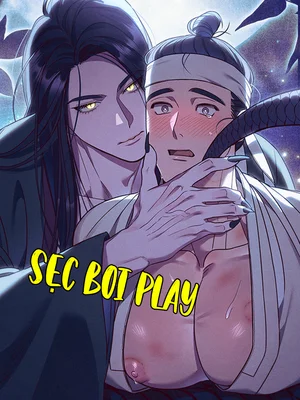
MÃNG XÀ VÀ CHÀNG TIỀU PHU – Main Plot and Review
**Meta Description**: Dive deep into MÃNG XÀ VÀ CHÀNG TIỀU PHU, a gripping 18+ BoyLove Manhwa. Explore its intense plot, stunning Truyện Màu art, and kịch tính tình cảm exclusively at JellyComics.
|||
# Uncoiling Desire: A Deep Dive into the Mythic Romance and Kịch Tính World of MÃNG XÀ VÀ CHÀNG TIỀU PHU
## Introduction: The Phenomenon of MÃNG XÀ VÀ CHÀNG TIỀU PHU
In the vibrant, ever-expanding universe of digital comics, few titles manage to strike the delicate balance between profound emotional depth, visually stunning artistry, and raw, unapologetic intensity quite like **MÃNG XÀ VÀ CHÀNG TIỀU PHU**. This particular Manhwa, which translates evocatively to "The Serpent and the Woodcutter," has swiftly carved out a formidable niche for itself within the highly competitive BoyLove (BL) genre, captivating readers with its unique blend of folklore, fantasy, forbidden romance, and a palpable sense of *Kịch Tính* that keeps every page turn a suspenseful journey. It is more than just a *Truyện Màu* (colored comic); it is an immersive experience, a journey into the heart of both human and mythical desire.
From the very first panels, **MÃNG XÀ VÀ CHÀNG TIỀU PHU** distinguishes itself not merely by its premise but by its audacious execution. It dares to tread where many hesitate, weaving an intricate narrative that doesn't shy away from the complexities of attraction, fear, and transformation. The allure isn't just in the surface-level interaction between its titular characters; it resides in the psychological layers, the simmering tensions, and the inevitable collision of two vastly different worlds – the mundane existence of a humble woodcutter and the ancient, powerful realm of a mystical serpent. This Manhwa is a masterclass in building an atmosphere, one charged with both ethereal beauty and primal danger, drawing readers into a narrative vortex they are loath to escape.
The burgeoning popularity of **MÃNG XÀ VÀ CHÀNG TIỀU PHU** can be attributed to several critical factors that resonate deeply with its target audience. Firstly, its commitment to the *18+* rating is not a mere gimmick; it underpins the narrative's maturity, allowing for an exploration of themes, relationships, and sensual encounters with a degree of honesty and explicitness that truly serves the story's emotional and physical arcs. This isn't gratuitous; it's integral to understanding the power dynamics and the evolving *Tình Cảm* (romantic affection) between the protagonists. Secondly, the storytelling is exceptionally paced, building anticipation with each chapter, employing cliffhangers that are both frustratingly brilliant and utterly compelling. Readers are not just passive observers; they are drawn into the emotional turmoil and the unfolding drama, experiencing the characters' joys and sorrows as if their own.
Furthermore, the Manhwa’s brilliant use of its fantasy elements, rooted in what feels like ancient folklore, adds a rich, almost mythological weight to the love story. It elevates the BoyLove narrative beyond typical contemporary settings, imbuing it with a timeless quality that feels both fresh and deeply resonant. The supernatural antagonist/lover dynamic creates an inherent *Kịch Tính* that permeates every interaction, every whispered secret, and every dangerous liaison. This blend of genre elements ensures that **MÃNG XÀ VÀ CHÀNG TIỀU PHU** isn't just another BL title; it's a storytelling marvel that pushes boundaries and redefines expectations within the genre. For those seeking a *Manhwa* that delivers on all fronts – narrative depth, artistic splendor, and unbridled passion – this title, championed by JellyComics, promises an unforgettable reading experience. Its cultural impact is growing, securing its place as a significant work in contemporary digital comics, particularly within the BoyLove sphere, by meticulously crafting a world where myth and desire intertwine.
## In-Depth Plot Analysis & World Building of MÃNG XÀ VÀ CHÀNG TIỀU PHU
The narrative architecture of **MÃNG XÀ VÀ CHÀNG TIỀU PHU** is a meticulously crafted tapestry, woven with threads of ancient folklore, forbidden desire, and the stark realities of survival. The story centers initially around our protagonist, the titular *Chàng Tiều Phu* (the Woodcutter), a young man whose existence is defined by the arduous rhythm of manual labor in a secluded, verdant forest. His life is one of quiet solitude, marked by the daily grind of felling trees and navigating the wilderness, a stark contrast to the extraordinary events that are soon to engulf him. This initial setting establishes a grounding in reality, a conventional starting point that makes the subsequent fantastical intrusion all the more impactful. The world-building here is subtle yet effective, painting a picture of a pastoral, almost archaic existence, where nature's beauty can quickly turn into a formidable adversary.
The inciting incident, the catalyst for the entire saga, is the woodcutter's fateful encounter with the *Mãng Xà* (the Serpent). This is not just any serpent; it is a creature of immense power, ancient lineage, and a captivating, almost hypnotic presence, deeply embedded in the local mythology and superstition. The circumstances of their meeting are shrouded in an aura of danger and mystery, hinting at an unforeseen connection that transcends mere chance. Perhaps the woodcutter stumbles upon the serpent in a moment of vulnerability, or perhaps the serpent, drawn by an inexplicable force, seeks him out. Regardless, this pivotal moment shatters the woodcutter's mundane reality, introducing an element of the supernatural that he is ill-equipped to comprehend, let alone contend with. The initial interactions are fraught with tension, a primal fear clashing with an undeniable, magnetic pull, setting the stage for the *Kịch Tính* that defines their unfolding relationship.
As the plot progresses, **MÃNG XÀ VÀ CHÀNG TIỀU PHU** masterfully develops the relationship between these two disparate beings, moving beyond initial fear and curiosity into a complex web of dependence, desire, and burgeoning *Tình Cảm*. The serpent, far from being a simple monstrous antagonist, reveals layers of personality, intelligence, and even vulnerability. Its actions are often ambiguous, oscillating between predatory intensity and an almost protective tenderness towards the woodcutter. This ambiguity is crucial to the narrative's depth, as it forces both the characters and the reader to constantly question motivations and intentions, adding a psychological thrill to the physical drama. The serpent's ability to shift forms, perhaps between a colossal ophidian entity and a mesmerizing human-like figure, becomes a powerful metaphor for its multifaceted nature and its capacity for both danger and intimacy.
The world-building expands beyond just the immediate forest setting to encompass a broader mythological framework. Hints of ancient pacts, forgotten powers, and the delicate balance between the human and spirit realms begin to emerge. The forest itself transforms from a mere backdrop into a living, breathing character, its ancient trees whispering secrets, its hidden grottoes harboring profound mysteries. This sense of a larger, unseen world lends a gravitas to the story, suggesting that the woodcutter and the serpent's entanglement is not merely a personal affair but potentially a ripple in the fabric of their mystical domain. The introduction of other mythical creatures or human characters with knowledge of the supernatural further enriches this world, providing context and raising the stakes for our protagonists.
The narrative skillfully navigates the challenges inherent in an *18+* BoyLove Manhwa, ensuring that the explicit content serves the story rather than overshadowing it. The intimate scenes are not merely sensational; they are vital expressions of the evolving power dynamics, the deepening emotional bond, and the physical manifestation of a love that defies societal norms and even species boundaries. These moments are often imbued with a raw intensity, exploring themes of dominance, submission, trust, and vulnerability, reflecting the turbulent nature of their relationship. The *Kịch Tính* is not just external; it's internal, residing in the woodcutter's struggle to reconcile his fear with his growing affection, and in the serpent's challenge to understand and protect a fragile human world.
Furthermore, the plot meticulously unravels the pasts of both characters. We learn about the woodcutter's potential solitude, perhaps a past trauma or a personal tragedy that has led him to this reclusive life. This backstory adds layers to his resilience and his susceptibility to the serpent's influence. Similarly, the serpent's ancient history, its solitude, or its previous interactions with humanity are gradually revealed, explaining its inherent nature and its surprising fascination with the woodcutter. These revelations are strategically placed, deepening the mystery and providing emotional anchors for the reader. The meticulous pacing ensures that each reveal feels earned, each moment of *Tình Cảm* feels authentic, and each perilous encounter heightens the sense of urgency.
The overarching conflict in **MÃNG XÀ VÀ CHÀNG TIỀU PHU** is multifaceted. Beyond the immediate survival of the woodcutter and the complex emotional development of their relationship, there are often external threats – rival supernatural entities, prejudiced humans, or ancient curses – that challenge their bond. These external pressures force the woodcutter and the serpent to confront their feelings and solidify their unusual alliance, pushing them to overcome seemingly insurmountable obstacles. The story consistently delivers on its promise of *Kịch Tính*, not just through dramatic confrontations but also through the emotional rollercoaster of forbidden love, exploring the profound sacrifices and radical transformations required to forge an extraordinary connection. It is a testament to the storytelling that readers become so invested in this perilous, passionate journey, eagerly anticipating how these two souls, bound by fate and desire, will navigate the treacherous path ahead.
## Comprehensive Character Study
The heart and soul of **MÃNG XÀ VÀ CHÀNG TIỀU PHU** lie in its meticulously crafted characters, particularly the woodcutter and the serpent, whose complex psyches and evolving relationship form the bedrock of this compelling narrative.
### Protagonist Analysis: The Woodcutter (Chàng Tiều Phu)
Our human protagonist, the *Chàng Tiều Phu*, initially embodies the archetypal innocent, thrust unwillingly into a world beyond his comprehension. He is portrayed as a young man of humble origins, whose life prior to the serpent's intervention was likely one of routine, hard labor, and relative simplicity. This background is crucial; it establishes him as someone grounded in practicality and the tangible, making his journey into the mystical and sensual all the more dramatic and impactful. His daily struggle for survival in the harsh forest has likely instilled in him a quiet resilience, a physical fortitude, and perhaps a degree of self-reliance that belies his apparent naivete.
Psychologically, the woodcutter starts from a place of fear and confusion. His initial encounters with the *Mãng Xà* would undoubtedly trigger primal fight-or-flight responses. This fear is not irrational; he faces a creature of immense power, a predator capable of ending his life in an instant. However, this fear is gradually, subtly, intertwined with a burgeoning curiosity and an inexplicable attraction. This internal conflict is the core of his initial character arc: the struggle between what his survival instincts scream and what his deeper, perhaps latent, desires whisper. He is not a fearless hero; he is a very human individual, vulnerable and prone to terror, which makes his eventual acceptance and embrace of the serpent all the more powerful and believable.
A significant aspect of the woodcutter's character is his potential for trauma. Being ensnared by a powerful, non-human entity, especially in an *18+* context, could be deeply traumatic. The narrative delves into how he copes with this. Does he experience Stockholm Syndrome, or does his initial resistance gradually give way to genuine *Tình Cảm* born from shared vulnerability and understanding? His growth arc would involve moving from a state of victimhood or passive acceptance to one of active participation in the relationship. This transformation might involve challenging the serpent, asserting his own boundaries, and ultimately finding agency within their unconventional bond. He learns to navigate the power imbalance, not by erasing it, but by finding his own strength and voice within it.
His emotional landscape is rich. He likely experiences a spectrum of emotions: profound fear, intense longing, confused tenderness, perhaps even resentment or anger. As the narrative progresses, we witness him shedding his preconceived notions about beauty, danger, and love. His capacity for empathy and his unexpected courage in the face of the unknown define his heroic journey. He represents humanity's ability to find connection and passion in the most unexpected and terrifying places, challenging the very definition of a "normal" relationship. This profound psychological exploration is what elevates **MÃNG XÀ VÀ CHÀNG TIỀU PHU** beyond a simple fantasy romance.
### Antagonist/Side Character Analysis: The Serpent (Mãng Xà)
The *Mãng Xà* is not merely the other half of the titular pair but a multifaceted entity that defies easy categorization. It is both antagonist and lover, predator and protector, a force of nature and a being of profound, ancient intelligence. Its character is steeped in mystery, its motivations often opaque, driven by impulses that are primal and otherworldly. Initially, the serpent represents the ultimate threat, a symbol of the untamed wilderness and the dangers lurking beyond human civilization. Its raw power, its intimidating presence, and its enigmatic nature are key elements contributing to the *Kịch Tính* of the Manhwa.
The serpent's transformation, or its ability to assume a human form, is central to its character development and the unfolding of the *BoyLove* narrative. In its natural form, it embodies raw, unbridled power and instinct. In its human guise, it can explore tenderness, communication, and the nuances of human emotion, though often with a perspective colored by its ancient, non-human origins. This dual nature allows for a fascinating exploration of desire—the carnal, instinctual attraction of the serpent, and the more nuanced, emotional pull it experiences towards the woodcutter.
Its motivations are deeply intriguing. Is it driven by loneliness, seeking companionship after eons of solitude? Is it bound by a curse or prophecy that ties it to a human? Or is it simply captivated by the woodcutter's unique spirit, a curiosity turning into obsession, and then into something akin to love? The serpent's actions, initially perceived as aggressive or possessive, gradually reveal an underlying protective instinct, a fierce loyalty that, while sometimes overwhelming, stems from a profound connection. It learns what it means to care for something fragile, to temper its immense power for the sake of another, and perhaps, to understand emotions it had never before experienced. Its journey is one of learning empathy, understanding vulnerability, and navigating the complexities of a truly intimate relationship.
While other side characters might appear – perhaps villagers, rival spirits, or even former human lovers of the serpent – their primary role is often to highlight the uniqueness and the challenges of the main pair's relationship. They serve as foils, providing external conflicts, societal judgment, or historical context that further solidifies the bond between the woodcutter and the serpent, making their forbidden *Tình Cảm* shine even brighter.
### Relationship Dynamics (Chemistry)
The chemistry between the woodcutter and the serpent is the pulsating core of **MÃNG XÀ VÀ CHÀNG TIỀU PHU**. It is a dynamic founded on stark contrasts: human fragility against mythical power, mundane reality against ancient magic, and fear against an undeniable, magnetic attraction. This initial power imbalance is a crucial element, driving much of the early narrative tension and the *Kịch Tính*. The serpent holds all the cards, physically and magically, while the woodcutter is inherently vulnerable.
However, as the story progresses, this dynamic gradually shifts and evolves. The woodcutter's human spirit, his resilience, and his unique perspective begin to exert their own kind of power over the serpent. The serpent, in turn, learns to yield, to protect, and to cherish, finding a different kind of strength in vulnerability and mutual dependence. Their relationship becomes a delicate dance between dominance and submission, control and surrender, often blurring the lines between the two in a way that is both provocative and deeply emotional. The *18+* rating allows for a frank exploration of these power dynamics in their physical manifestations, making the intimate scenes not just sensual but also narratively significant, reflecting the constant push and pull between two vastly different beings trying to connect.
The development of their *Tình Cảm* is a slow burn, meticulously paced. It blossoms from initial fear and fascination into a complex tapestry of desire, understanding, and profound affection. This isn't a simple love story; it's a testament to how love can emerge in the most improbable circumstances, transcending species barriers and societal norms. Their bond is forged in adversity, tested by external threats and internal doubts, making their eventual, deeper connection incredibly satisfying. The emotional intensity is palpable, with moments of tender intimacy juxtaposed against scenes of thrilling danger, ensuring that the reader is always on the edge of their seat, fully invested in the fate of this extraordinary pair. The narrative celebrates this unique connection, showcasing how two disparate souls can find solace, passion, and true partnership in each other, defying all expectations and boundaries.
## Artistic Review: The Visual Mastery of MÃNG XÀ VÀ CHÀNG TIỀU PHU
The visual narrative of **MÃNG XÀ VÀ CHÀNG TIỀU PHU** is nothing short of breathtaking, establishing it as a masterpiece within the *Truyện Màu* (colored comic) genre. The artistry is not merely supplementary to the story; it is an integral, expressive language that elevates the emotional depth and intensifies the *Kịch Tính* of every single panel. The creators demonstrate an unparalleled mastery of line work, color theory, shading techniques, and panel composition, creating a truly immersive and unforgettable aesthetic experience.
Let's begin with the **line work**. The artists employ a remarkable fluidity and precision that gives life to every character and environmental detail. Character outlines are often crisp and clean, ensuring clarity and focus, but they can soften subtly in moments of intimacy or dreamlike sequences, reflecting emotional states. For the human form, the lines meticulously delineate anatomy, from the subtle tension in a flexed muscle to the delicate curve of a jawline, making the characters feel incredibly real and tangible. The serpent’s lines are a marvel: undulating, dynamic, and often imbued with a sense of immense power and ancient grace. Scales are rendered with exquisite detail, each reflecting light and shadow, creating a texture that is almost palpable. The lines also effectively convey motion, whether it's the swift strike of the serpent or the hesitant gesture of the woodcutter, guiding the reader's eye through the action with effortless grace.
The **coloring**, as a *Truyện Màu*, is perhaps one of the most striking features. The palette is rich, diverse, and exceptionally well-managed to evoke specific moods and atmospheres. Forest scenes are often bathed in deep, earthy greens and browns, accented by vibrant bursts of foliage and dappled sunlight, creating a sense of natural beauty and serene isolation. When the serpent appears, the colors shift dramatically; perhaps a metallic sheen of its scales in emeralds, silvers, or deep blues, contrasting sharply with its surroundings, signifying its otherworldly presence. Intimate scenes might utilize warmer, softer hues—golds, deep reds, and purples—to convey passion and tenderness, or cooler, muted tones to suggest vulnerability and melancholy. The use of color is highly symbolic, with certain shades consistently associated with specific characters or emotional states, deepening the reader's connection to the narrative. The luminosity achieved in many panels is particularly noteworthy, making light sources feel real and atmospheric, whether it's moonlight filtering through trees or the soft glow of a hidden cave.
**Shading** is employed with microscopic precision, adding incredible depth and volume to every element. Characters are not flat; they possess a three-dimensional quality, thanks to expert chiaroscuro. Shadows are used dramatically to build suspense, obscure details, or emphasize emotional turmoil. The play of light and shadow on the woodcutter's face can convey a myriad of emotions—fear, longing, pain, or growing affection—without the need for dialogue. For the serpent, shading is instrumental in depicting its immense scale and powerful physique, creating a sense of weight and intimidation. The contours of its body are defined by gradients that mimic natural light, giving its form a terrifying realism. In *18+* scenes, shading becomes even more critical, subtly enhancing the sensuality and intimacy, focusing on specific details without being overtly explicit in every instance, allowing the reader's imagination to fill in the gaps.
The **panel flow and composition** are incredibly dynamic and thoughtful, contributing significantly to the *Kịch Tính* and pacing. The artists utilize a variety of panel layouts, from traditional grid structures for steady narrative progression to more fluid, unconventional arrangements during moments of high emotion or intense action. Diagonal lines, overlapping panels, and fragmented compositions are expertly used to convey speed, chaos, or psychological distress. Close-ups are employed judiciously to emphasize character expressions, lingering glances, or significant details, drawing the reader into the emotional core of the scene. Wide shots effectively establish the grand scale of the forest or the isolation of the characters. The pacing is skillfully manipulated through panel size and arrangement, accelerating during dramatic confrontations and slowing down for moments of quiet introspection or tender *Tình Cảm*. This masterful control over visual storytelling ensures that the narrative flow is always engaging and impactful.
Finally, **character design** is exquisite. The woodcutter is drawn with a blend of ruggedness and youthful innocence, his features expressive and relatable. His body language and micro-expressions are incredibly detailed, allowing readers to connect deeply with his internal struggles. The serpent, whether in its monstrous or human form, is designed to be simultaneously awe-inspiring and alluring. Its serpentine form is majestic and fearsome, while its human manifestation (if applicable) is often rendered with an ethereal beauty, conveying power, ancient wisdom, and irresistible charm. Every detail, from the intricate patterns on the serpent's scales to the woodcutter's simple clothing, is rendered with purpose and artistry, solidifying **MÃNG XÀ VÀ CHÀNG TIỀU PHU** as a visual triumph that truly exemplifies the best of *Manhwa* aesthetics.
## Why MÃNG XÀ VÀ CHÀNG TIỀU PHU Stands Out: A Comparative Analysis
**MÃNG XÀ VÀ CHÀNG TIỀU PHU** distinguishes itself in the crowded landscape of BoyLove *Manhwa* not just by its individual merits but by its masterful synthesis of various genre elements, creating a work that feels both familiar and refreshingly unique. While the BL genre has seen an explosion of titles, particularly *Truyện Màu*, few manage to achieve the same depth, artistic consistency, and raw emotional intensity.
Compared to other genre giants, many of which focus on contemporary school or office romances, **MÃNG XÀ VÀ CHÀNG TIỀU PHU** immediately sets itself apart with its rich, fantastical, and folkloric setting. This departure from urban realism allows for an exploration of themes that are more primal, mythical, and existential. Works like "Semantic Error" or "Cherry Blossoms After Winter" excel in their slice-of-life charm and character-driven romance, but they lack the inherent *Kịch Tính* and mythological grandeur that a supernatural premise provides. Here, the very nature of the relationship defies the mundane, rooting its *Tình Cảm* in a realm of impossible possibilities.
What makes this Manhwa truly shine is its audacious blending of the mythological fantasy with explicit *18+* BoyLove content. While many BL titles include mature themes, **MÃNG XÀ VÀ CHÀNG TIỀU PHU** integrates the sensuality and the power dynamics arising from the human-supernatural pairing with a particular intensity and narrative purpose. It doesn't shy away from exploring the raw, sometimes frightening, aspects of desire and submission, particularly when one party is an ancient, powerful entity. This unapologetic approach to its adult themes, much like bold titles that embrace the "SẸC KHÔNG NHÀ" philosophy of no holds barred storytelling, ensures that the explicit moments are integral to the character and plot development, rather than superficial additions. This contrasts with titles that might hint at mature content but shy away from its full exploration, leaving readers wanting.
The art style, as discussed, is another significant differentiator. While many *Truyện Màu* Manhwa boast beautiful visuals, **MÃNG XÀ VÀ CHÀNG TIỀU PHU** exhibits a microscopic attention to detail in its line work, shading, and evocative coloring that rivals top-tier productions. The way it renders both the terrifying majesty of the serpent and the subtle vulnerability of the woodcutter through visual storytelling is exceptional. It achieves a level of atmosphere and immersion that elevates it above many contemporaries, where art can sometimes feel generic or rushed.
Furthermore, the Manhwa brilliantly subverts tropes. Instead of a clear hero and villain, it presents a dynamic where the "monster" is also the love interest, blurring ethical and emotional lines. This moral ambiguity and the constant push-and-pull create a sustained *Kịch Tính* that keeps readers deeply engaged. It delves into profound questions about love, identity, and acceptance across boundaries, asking what it truly means to connect with someone utterly different from oneself. This philosophical layer, combined with its emotional rawness and visual splendor, ensures that **MÃNG XÀ VÀ CHÀNG TIỀU PHU** is not just another BL Manhwa; it is a thought-provoking, visually stunning, and emotionally resonant experience that leaves a lasting impression, cementing its place as a standout work in the genre.
## FAQ: Everything You Need to Know about MÃNG XÀ VÀ CHÀNG TIỀU PHU
### What genre is MÃNG XÀ VÀ CHÀNG TIỀU PHU?
**MÃNG XÀ VÀ CHÀNG TIỀU PHU** primarily falls under the BoyLove (BL) genre, a subgenre of romance focusing on relationships between male characters. However, it significantly expands beyond typical BL tropes by incorporating strong elements of fantasy and folklore, creating a unique narrative rich with mythological undertones. It's also categorized as a *Manhwa*, meaning it originates from Korea, and is a *Truyện Màu*, indicating that it is fully colored, which enhances its visual appeal and storytelling. The blend of these genres results in a story that is both deeply romantic and intensely dramatic.
### Is MÃNG XÀ VÀ CHÀNG TIỀU PHU suitable for all readers?
No, **MÃNG XÀ VÀ CHÀNG TIỀU PHU** is explicitly rated *18+*. This means it contains mature themes, graphic content, and explicit scenes that are not suitable for younger readers. The mature rating is integral to the narrative, allowing for a candid exploration of power dynamics, consent, and raw passion within the relationship between the woodcutter and the serpent. Readers should be aware of this classification and proceed with discretion, ensuring they are of legal age and comfortable with such content.
### Where can I read MÃNG XÀ VÀ CHÀNG TIỀU PHU legally?
As a Lead Comic Critic at JellyComics, I highly recommend reading **MÃNG XÀ VÀ CHÀNG TIỀU PHU** on official platforms to support the creators and translation teams. While the input mentions "Dưa leo truyện" as the original group uploading it, for a global and legitimate reading experience, check platforms like JellyComics which strives to license and host such titles responsibly. Always seek out authorized sources to ensure you're getting high-quality translations and contributing directly to the artists and writers who bring these amazing stories to life.
### What makes the art style of MÃNG XÀ VÀ CHÀNG TIỀU PHU unique?
The art style of **MÃNG XÀ VÀ CHÀNG TIỀU PHU** is exceptionally detailed and atmospheric. It stands out due to its exquisite line work, which can be both delicate for human features and powerfully dynamic for the serpent. The *Truyện Màu* aspect is masterfully utilized, employing a rich and symbolic color palette to evoke specific moods, enhance emotional depth, and create stunning environmental backdrops. Microscopic shading adds significant volume and realism, making characters and creatures feel incredibly three-dimensional. Furthermore, the innovative panel composition and flow contribute to a heightened sense of *Kịch Tính* and immersive storytelling, making every visual moment impactful.
### What themes does MÃNG XÀ VÀ CHÀNG TIỀU PHU explore?
**MÃNG XÀ VÀ CHÀNG TIỀU PHU** delves into a rich tapestry of themes. At its core, it explores forbidden love and the transcending of boundaries—be it species, societal norms, or personal fear—for the sake of *Tình Cảm*. It examines power dynamics within a relationship, transformation (both physical and emotional), and the nature of desire. Themes of survival, acceptance, and the clash between the natural and supernatural worlds are also prominent. The narrative also touches on loneliness, trust, and the profound changes one undergoes when confronted with an irresistible, terrifying, and ultimately loving force, showcasing a deeply *Kịch Tính* exploration of identity and connection.
## Final Verdict: Why You Must Read It at JellyComics
As the Lead Comic Critic at JellyComics, I can unequivocally state that **MÃNG XÀ VÀ CHÀNG TIỀU PHU** is not merely a comic; it is an experience, a journey into the heart of a mythic romance that will grip you from the very first panel and refuse to let go. This isn't just another entry in the BoyLove genre; it's a genre-defining masterpiece that pushes boundaries, challenges conventions, and delivers on every promise of its compelling premise. Its unique blend of ancient folklore, raw *18+* sensuality, and profound emotional depth sets it apart as a true gem in the vast *Manhwa* landscape.
The meticulous plot construction, the deeply nuanced character development, and the breathtaking *Truyện Màu* artistry combine to create a narrative tapestry that is both visually stunning and psychologically resonant. You will become intimately invested in the woodcutter's struggle, his fear, his courage, and his burgeoning *Tình Cảm* for the enigmatic serpent. The *Kịch Tính* is ever-present, whether in moments of primal danger or in the quiet intensity of evolving emotions, ensuring that every chapter is a page-turner. From the microscopic detail in its line work to the evocative power of its color palette, every artistic choice contributes to an immersive world that feels alive and utterly captivating.
For those seeking a story that dares to explore the complexities of desire, power, and connection without reservation—a story that embodies the spirit of "SẸC KHÔNG NHÀ" in its bold storytelling—then **MÃNG XÀ VÀ CHÀNG TIỀU PHU** is an absolute must-read. It challenges preconceived notions of love and fear, offering a fresh, mature, and deeply satisfying narrative that will linger in your thoughts long after you've reached the final page. Don't miss out on this extraordinary work. Dive into the world of **MÃNG XÀ VÀ CHÀNG TIỀU PHU** today and discover why it's earning critical acclaim and a dedicated fanbase. Experience this unparalleled epic exclusively at JellyComics.
Frequently Asked Questions about MÃNG XÀ VÀ CHÀNG TIỀU PHU
What genre is MÃNG XÀ VÀ CHÀNG TIỀU PHU? Generally, MÃNG XÀ VÀ CHÀNG TIỀU PHU falls under the various genres category, featuring a storyline focused on character emotions and engaging plot twists.
Why should you read MÃNG XÀ VÀ CHÀNG TIỀU PHU? If you enjoy stories with emotional depth, well-developed characters, and unexpected turns, MÃNG XÀ VÀ CHÀNG TIỀU PHU is definitely a great choice.
Who is MÃNG XÀ VÀ CHÀNG TIỀU PHU suitable for? Depending on the specific arc, MÃNG XÀ VÀ CHÀNG TIỀU PHU can be suitable for both newcomers and long-time fans of this genre.
If you love MÃNG XÀ VÀ CHÀNG TIỀU PHU, don’t forget to check out similar series at Truyện tranh 18+.
To explore more reviews and perspectives on MÃNG XÀ VÀ CHÀNG TIỀU PHU, you can refer to https://jellycomics.com/nhom-dich/jellycomics/.
Jelly Comics (JC) là trang web truyện tranh hàng đầu dành cho những người đam mê truyện tranh. Với một bộ sưu tập đa dạng và phong phú, trang web đem đến cho bạn những giờ phút giải trí tuyệt vời và một trải nghiệm truyện tranh hoàn toàn miễn phí. Nếu bạn là một fan hâm mộ truyện tranh, hãy đến với JC để khám phá thế giới truyện tranh không giới hạn!Hãy truy cập vào Jelly Comics ngay hôm nay để khám phá thế giới truyện tranh đa dạng và thú vị. Là điểm đến lý tưởng cho những bạn đam mê truyện tranh và muốn khám phá thế giới đa dạng và thú vị của truyện tranh miễn phí. Thế giới truyện tranh đang chờ bạn khám phá!
Chapter 23
Chapter 22
Chapter 21
Chapter 20
Chapter 19
Chapter 18
Chapter 17
Chapter 16
Chapter 15
Chapter 14
Chapter 13
Chapter 12
Chapter 11
Chapter 10
Chapter 9
Chapter 8
Chapter 7
Chapter 6
Chapter 5
Chapter 4
Chapter 3
Chapter 2
Chapter 1


