- Tên khác: Catch Up, Bắt kịp, キャッチアップ
- Tác giả: Lime Tree,Kkonyang
- Nhóm Dịch: Jellycomics ©
- Thể loại: Drama, JELLYCOMICS ©, RAW, Smut, Webtoons, Yaoi
- Thẻ: best BL series, BL webtoon, Boys Love webtoon, Catch Up webtoon, comedy webtoon, drama webtoon, romance webtoon, webtoon recommendation
- Trạng thái: OnGoing
- Ngày thêm: 02/01/2026
- Tổng lượt xem: 54
Catch Up by author Lime Tree,Kkonyang is a manga series that has garnered significant attention. The following article provides a detailed overview of the plot, setting, and why Catch Up is worth adding to your reading list.
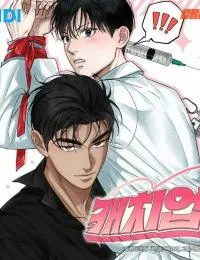
Catch Up – Main Plot and Review
Unravel the intricate layers of "Catch Up," the must-read BL webtoon masterfully blending comedy, drama, and romance. Dive into its art, characters, and compelling story.
|||
# A Deep Dive into the Phenomenon: Why "Catch Up" is the Unmissable BL Webtoon of Our Generation
In the sprawling, ever-expanding universe of digital comics, where new narratives emerge daily vying for our attention, only a select few manage to truly captivate and leave an indelible mark on the collective consciousness of readers. Among these luminaries, one title has recently surged through the ranks, not just capturing hearts but firmly establishing itself as a benchmark for storytelling excellence within the BL (Boys' Love) genre: `Catch Up`. This isn't just another webtoon; it is a meticulously crafted tapestry of human emotion, intricate relationships, and stunning artistry that demands a thorough, almost microscopic, examination. From its initial chapters, `Catch Up` promised something more profound than typical genre fare, and with each subsequent update, it has unequivocally delivered, evolving into a complex narrative that expertly navigates the often-treacherous waters of love, regret, and personal growth.
## Introduction: The Phenomenon of Catch Up
The impact of `Catch Up` on the webtoons landscape has been nothing short of meteoric. Penned and illustrated by the prodigious talent known as Kkonyang, with crucial contributions from Lime Tree, this series has quickly ascended to the echelons of must-read BL manga and webtoons. Its rapid rise in popularity is not merely a fluke of algorithmic promotion or fleeting trends; it is a testament to the profound resonance its themes strike with a diverse readership, transcending typical demographic boundaries. From seasoned aficionados of the BL genre to newcomers exploring its rich narrative potential, `Catch Up` has found a way to speak to everyone, drawing them into its exquisitely detailed world.
At its core, `Catch Up` is a multifaceted narrative, skillfully weaving together elements of heartwarming comedy, poignant drama, and steamy romance. This intricate blend ensures that readers are never complacent, constantly teetering on the edge of laughter, tears, and breathless anticipation. The story’s ability to transition seamlessly between these tonal shifts is one of its greatest strengths, preventing it from ever feeling one-dimensional or predictable. One moment, you might find yourself chuckling at a character's relatable awkwardness; the next, your heart might ache from the raw emotional vulnerability laid bare on the page.
The allure of `Catch Up` extends far beyond its genre classification. It delves deep into universal human experiences, exploring themes of second chances, the courage required to confront one's past, and the transformative power of genuine connection. The narrative is imbued with a palpable sense of authenticity, making the characters’ struggles and triumphs feel profoundly real. This relatability is a cornerstone of its appeal, allowing readers to project their own experiences and desires onto the unfolding drama, thereby forging a deeper, more personal connection with the story.
Moreover, the sheer quality of its production, particularly the breathtaking art style, sets `Catch Up` apart. Kkonyang's artistic vision, complemented by Lime Tree's creative insights, is nothing short of spectacular, bringing the narrative to life with a vibrancy and detail that demands admiration. Every panel is a work of art, meticulously crafted to convey emotion, advance the plot, and immerse the reader fully into the world of `Catch Up`. This visual mastery is not just aesthetically pleasing; it serves as a powerful narrative tool, amplifying the emotional impact of key scenes and deepening the reader's understanding of the characters' internal states.
The sheer dedication to craft, visible in both the compelling storyline and the gorgeous visuals, positions `Catch Up` as a standout title. It’s a series that doesn’t just tell a story; it invites you to experience it, to live within its pages, and to grapple with the complex emotional landscapes it meticulously constructs. For those seeking a BL webtoon that offers more than superficial thrills—a story that offers genuine depth, emotional intelligence, and unparalleled artistic execution—`Catch Up` is not just a recommendation; it is an imperative. Its phenomenon status is well-earned, rooted in a masterful execution of every element that makes a comic truly great.
## In-Depth Plot Analysis & World Building of Catch Up
The narrative of `Catch Up` is a testament to intricate plotting and meticulous world-building, unfurling a story that is both deeply personal and universally resonant. At its genesis, the comic introduces us to a world that feels undeniably contemporary, populated by characters navigating the complexities of modern life, careers, and relationships. However, beneath this veneer of normalcy lies a nuanced exploration of past mistakes, unresolved feelings, and the profound longing for reconciliation, all expertly woven into a compelling central conflict that defines the core of `Catch Up`.
The story primarily revolves around the protagonist, **Han Jaewon**, a character burdened by a past regret that gnaws at his present. Jaewon is introduced as a seemingly successful professional, perhaps in the cutthroat world of marketing or design, where he maintains a facade of competence and composure. Yet, despite his outward achievements, there is an underlying current of melancholy, a pervasive sense of something missing. This emotional void is meticulously established through subtle visual cues and internal monologues, allowing readers to immediately empathize with his unspoken struggles. His meticulously organized life is, in many ways, a defensive mechanism, a way to control his environment when his internal world feels anything but.
The inciting incident, the catalyst that irrevocably shatters Jaewon's carefully constructed world, arrives with the unexpected re-entry of **Lee Jinsu** into his life. Jinsu is not just an old acquaintance; he is the ghost of Jaewon's past, a pivotal figure from his youth whom Jaewon believes he wronged profoundly. The "Catch Up" of the title here begins to take on multiple layers of meaning: catching up on lost time, catching up on unsaid words, and most crucially, catching up to the person he once was, or perhaps, the person he *should* have been. The initial encounter between Jaewon and Jinsu is fraught with tension, a palpable mixture of awkwardness, suppressed anger, and a flicker of something undefinable – perhaps residual affection, perhaps mutual longing.
Kkonyang's genius lies in how the initial premise quickly expands. It’s not simply about two ex-lovers or estranged friends reuniting. The dynamic is far more intricate. Jinsu's return is not for a simple apology or a straightforward rekindling; it is presented as a professional necessity, perhaps Jinsu becoming Jaewon’s new colleague, client, or even supervisor. This professional entanglement forces proximity, creating an inescapable environment where the characters must confront their shared history while attempting to maintain a semblance of professionalism. This forced interaction becomes the crucible in which their complex relationship is re-forged, chapter by painful, beautiful chapter.
The world-building in `Catch Up` extends beyond the immediate character interactions. The setting, whether it's a bustling corporate office, a quaint neighborhood café, or the intimate confines of their respective apartments, is rendered with painstaking detail. These environments are not mere backdrops; they are active participants in the narrative, reflecting the characters' internal states or providing crucial context for their actions. For instance, the sterile, high-pressure environment of their workplace can amplify the tension between Jaewon and Jinsu, making their private struggles feel even more pronounced against a backdrop of public scrutiny. Conversely, a quiet park bench or a dimly lit bar might become a sanctuary for vulnerability, allowing for moments of raw, uninhibited emotional exchange.
Flashbacks are employed with surgical precision in `Catch Up`, serving not as mere exposition dumps but as narrative devices that gradually peel back the layers of their shared history. These glimpses into their past—often triggered by a scent, a song, or a particular phrase—are vital. They slowly reveal the circumstances that led to their separation, the misunderstandings, the youthful mistakes, and the painful decisions that shaped their present selves. These recollections are never presented as definitive truths but often as fragmented memories, filtered through the lens of Jaewon's guilt or Jinsu's lingering resentment, adding a layer of unreliable narration that keeps the reader perpetually engaged and questioning.
The plot expertly builds suspense not through typical action sequences, but through emotional escalation. Every averted gaze, every hesitant touch, every carefully chosen word carries immense weight. The drama isn't externalized through grand, dramatic gestures but internalized, played out in the subtle shifts of facial expressions, the tension in a character’s shoulders, or the unspoken thoughts bubbling beneath the surface. This intimate approach to storytelling ensures that the reader is deeply invested in every minor interaction, understanding that each seemingly small moment is a crucial step in the long, arduous journey of healing and reconciliation.
As the story progresses beyond the initial 30 translated chapters, the plot of `Catch Up` promises to delve deeper into the complexities of forgiveness – not just forgiving others, but forgiving oneself. The initial bitterness and guardedness begin to slowly erode, replaced by tentative moments of understanding and burgeoning affection. The "smut" aspect, often a hallmark of BL manga, is integrated organically into the narrative, serving not as gratuitous filler but as a natural progression of their re-emerging intimacy, a physical manifestation of their emotional reconnection. These scenes are handled with a blend of tasteful artistry and raw passion, depicting the vulnerability and trust that rebuilding a relationship necessitates.
Ultimately, the plot of `Catch Up` is a meticulously constructed exploration of human connection. It showcases the messy, often painful, but ultimately rewarding process of revisiting the past, acknowledging its lingering effects, and daring to forge a new future. It’s a narrative that respects its characters’ pain, celebrates their resilience, and ultimately offers a hopeful vision of love's capacity to heal and transform. The world-building, while contemporary, is rich with the emotional histories of its inhabitants, making `Catch Up` a truly immersive and unforgettable reading experience.
## Comprehensive Character Study
The heart and soul of `Catch Up` lie unequivocally in its meticulously crafted characters. Kkonyang's ability to imbue each character, particularly the protagonist, with such depth, nuance, and believable motivations is truly exceptional. It is through their individual journeys and the intricate web of their interactions that the narrative achieves its profound emotional resonance. This section will delve into the psychological landscapes of the main players, exploring their traumas, growth, and the electrifying chemistry that defines their relationships in `Catch Up`.
### Protagonist Analysis: Han Jaewon
Han Jaewon is the undisputed anchor of `Catch Up`, and his internal world is a vast, complex landscape ripe for exploration. He is introduced as a character meticulously structured on the outside, a successful professional whose life appears to be in order. Yet, beneath this polished exterior lies a deep well of unresolved guilt and a profound sense of loneliness. Jaewon's trauma stems from a past event, vaguely hinted at initially, where he believes he catastrophically failed someone he deeply cared for – Lee Jinsu. This past transgression has not only severed his connection with Jinsu but has also significantly impacted his present self, shaping his personality, his relationships, and his general outlook on life.
Psychologically, Jaewon exhibits classic traits of someone carrying a heavy burden of regret. He is often reserved, cautious, and prone to overthinking. His interactions with others, even new acquaintances, are marked by a subtle guardedness, a fear of repeating past mistakes or, perhaps, of being hurt again. This self-imposed emotional barrier serves as both a shield and a prison, preventing him from fully engaging with the world around him. His desire for control, evident in his organized lifestyle, is a direct coping mechanism against the chaos and emotional unpredictability of his past. He is terrified of vulnerability, understanding that it was precisely his emotional openness in the past that led to the perceived failure.
His growth arc in `Catch Up` is one of gradual, often painful, self-discovery and the courageous journey towards healing. When Jinsu re-enters his life, Jaewon’s initial reaction is a potent mix of shock, denial, and a resurgence of his buried guilt. He wants to run, to hide, to avoid confronting the living embodiment of his biggest regret. However, the forced proximity necessitates engagement, slowly chipping away at his defenses. His growth is characterized by:
1. **Confrontation of Guilt:** He initially wallows in self-blame, replaying past scenarios. As the story progresses, he is forced to articulate his feelings, not just internally, but to Jinsu. This externalization is crucial for processing his guilt.
2. **Learning to Forgive Himself:** A significant part of Jaewon's journey is understanding that while he might have made mistakes, he is not defined solely by them. This self-forgiveness is a prerequisite for any healthy relationship moving forward.
3. **Re-learning Vulnerability:** Jaewon’s arc is fundamentally about opening up again. He learns, through painful trial and error, that true connection requires risk, requires letting someone see the imperfect, fragile parts of himself. His emotional walls are slowly dismantled, allowing for genuine intimacy to blossom.
4. **Embracing the Present:** The "Catch Up" title also signifies his journey to stop living in the past and fully embrace the possibilities of the present, including a renewed relationship with Jinsu.
Jaewon’s internal monologues are masterfully utilized to give readers unparalleled access to his psyche, making his struggles and triumphs profoundly relatable. His character embodies the universal human fear of failure and the longing for redemption, making him a compelling and deeply empathetic protagonist.
### Antagonist/Side Character Analysis
While `Catch Up` doesn't feature a clear-cut antagonist in the traditional sense, the role of opposition and friction is often embodied by past misunderstandings, societal pressures, or even the characters' own internal demons. However, if an antagonist figure emerges, it would likely be **Minjae**, a rival for Jaewon's professional attention or Jinsu's affection, perhaps someone from Jaewon's past who exacerbated the initial split, or a seemingly perfect third party who embodies the security Jaewon *thinks* he wants, but not the love he *needs*. Minjae's role would be to highlight the strengths of Jaewon and Jinsu's bond by providing an external threat, forcing them to clarify their feelings for each other. Minjae would likely represent an idealized, yet ultimately hollow, alternative to the messy, real love developing between the leads.
The side characters in `Catch Up`, however, are indispensable, adding layers of comedy, emotional support, and crucial plot development.
* **Lee Jinsu:** While the romantic lead, Jinsu also acts as a driving force for Jaewon’s development. Initially perceived through Jaewon's guilt-ridden lens, Jinsu is gradually revealed to be a complex individual himself, carrying his own scars and unresolved emotions from their past. He might appear cold or resentful at first, but this is a protective facade. Jinsu's character arc runs parallel to Jaewon's, as he too must learn to forgive, to trust, and to open his heart to the possibility of a rekindled love. His resilience and quiet strength are key elements, providing a grounded counterpoint to Jaewon's more internal struggles. His expressions are often subtle, his words carefully chosen, making every emotional breakthrough on his part feel incredibly significant. His depth of feeling is conveyed through thoughtful action rather than verbose declarations, making his character all the more compelling.
* **Kang Minhyuk:** A close friend of Jaewon, perhaps a colleague, who serves as the comic relief and a confidante. Minhyuk often injects much-needed levity with his playful teasing and irreverent observations. More importantly, he acts as an external sounding board for Jaewon's anxieties, offering advice (sometimes terrible, sometimes profound) and pushing Jaewon to confront his feelings. Minhyuk’s unwavering support is a constant, reminding Jaewon of the importance of friendship and chosen family. His dialogue is often sharp and witty, cutting through the emotional tension with timely jokes, yet he possesses a keen observational sense, often seeing the truth of Jaewon's feelings before Jaewon himself does.
* **Choi Hana:** A colleague or friend who provides a female perspective and often acts as a bridge between Jaewon and Jinsu, perhaps unknowingly. Hana might be observant and perceptive, noticing the unspoken tension and history between the two. Her role is often to offer practical advice or simply to create social situations that force Jaewon and Jinsu to interact naturally, thereby facilitating their reconnection. She adds another layer to the world-building, showcasing a diverse support system for the main characters.
Each side character, no matter how minor, serves a specific narrative purpose, contributing to the richness and realism of the world of `Catch Up`. They are not merely props but fully realized individuals who influence the trajectory of the main plot and characters.
### Relationship Dynamics (Chemistry)
The chemistry between Han Jaewon and Lee Jinsu in `Catch Up` is nothing short of electric, serving as the undeniable driving force behind the narrative. It's a chemistry born not just of physical attraction, though that is certainly present and powerfully depicted in the 'smut' elements, but of a profound, deeply rooted emotional history. The "smut" in `Catch Up` is never gratuitous; it is an extension of the characters' emotional states, a physical manifestation of their yearning, their vulnerability, and their burgeoning trust. These scenes are crafted with an intimacy and tenderness that elevates them beyond mere physical acts, portraying them as crucial moments of connection and healing.
Their initial dynamic is a volatile cocktail of longing, resentment, and unaddressed pain. Jaewon’s overwhelming guilt clashes with Jinsu’s lingering hurt, creating a palpable tension that crackles in every shared glance and hesitant touch. This initial friction is precisely what makes their eventual rapprochement so incredibly satisfying. The slow burn of their relationship, moving from icy politeness to tentative truce, then to rekindled friendship, and finally to passionate romance, is exquisitely paced.
Key elements defining their chemistry include:
* **Unspoken Understanding:** Despite the years of separation and the wall of hurt between them, there are moments where Jaewon and Jinsu demonstrate an almost telepathic understanding of each other. A shared look, a subtle gesture, or a single word can convey volumes, hinting at the deep bond that once existed and is slowly reawakening. This silent communication is a testament to the enduring nature of their connection.
* **The Power of Memory:** Their shared past is not just a source of pain but also a powerful foundation for their chemistry. Flashbacks highlight their youthful affection, their inside jokes, and the innocent intimacy they once shared. These memories serve as emotional anchors, reminding both the characters and the readers of the genuine love that underlies their current conflict. It's the yearning for this lost connection that fuels much of their interaction.
* **Vulnerability and Trust:** The gradual development of trust is paramount. Jaewon’s journey to vulnerability, and Jinsu’s decision to open himself up to potential heartbreak again, are both monumental. Each step they take towards honesty, each confession of past pain or current longing, strengthens their bond. The chemistry intensifies as they shed their defenses, revealing their true selves to one another. The emotional intimacy paves the way for the physical intimacy, making their romantic encounters feel earned and deeply meaningful.
* **Complementary Personalities:** While both carry their own burdens, their personalities often complement each other. Jaewon’s introspection and occasional awkwardness are balanced by Jinsu’s quiet strength and more grounded presence. One might be more expressive in their internal turmoil, while the other communicates through subtle actions and gestures, creating a dynamic interplay that makes their relationship feel complete and balanced.
* **The "Lime Tree" Effect:** The involvement of Lime Tree as a creative influence suggests an additional layer of depth, perhaps in the emotional realism of the relationship or the specific nuances of queer romance. This collaborative effort likely ensures that the complexities of their BL relationship are handled with sensitivity and authenticity, avoiding clichés and instead focusing on genuine character development and chemistry.
The relationship between Jaewon and Jinsu is a masterclass in depicting the complex, messy, and ultimately beautiful journey of two souls rediscovering their way back to each other. Their chemistry is a living, breathing entity within `Catch Up`, evolving with each chapter, captivating readers with its intensity, its tenderness, and its undeniable passion.
## Artistic Review: The Visual Mastery of Catch Up
The visual presentation of `Catch Up`, spearheaded by the exceptional artistry of Kkonyang, with likely collaborative input from Lime Tree on specific visual storytelling aspects, is nothing short of breathtaking. It’s not merely an accompaniment to the narrative; it is an intrinsic part of the storytelling, elevating the emotional impact and immersing the reader completely in the characters' world. The art in `Catch Up` is a prime example of how webtoons can push the boundaries of visual storytelling, setting a high bar for the genre.
### Microscopic Detail: Line Work and Shading
Kkonyang’s line work is remarkably expressive and fluid. It’s characterized by a clean, precise quality that maintains clarity even in the most detailed scenes. The lines possess a dynamic range, shifting effortlessly from delicate, thin strokes that convey tenderness or vulnerability, to bolder, more confident lines that emphasize tension, determination, or dramatic action. For instance, the subtle trembling in a character's hand during an anxious moment is conveyed through fine, almost hesitant lines, while a sudden outburst of emotion might be framed by sharper, more angular strokes. This meticulous control over line weight adds immense depth to the visual narrative.
Shading in `Catch Up` is equally masterful. Kkonyang predominantly employs a soft, almost painterly cell-shading technique that gives the characters and environments a polished yet approachable feel. The application of shadows is not just for rendering depth; it’s a powerful emotional tool. Dramatic chiaroscuro effects are used sparingly but effectively to highlight moments of introspection, sadness, or intense passion. A character bathed in half-shadow can instantly convey internal conflict or hidden desires. Conversely, scenes of joy or openness are often brightly lit, with soft, diffused shadows that create a warm, inviting atmosphere. The interplay of light and shadow is consistently used to guide the reader’s eye and subtly manipulate their emotional response, enhancing the narrative's inherent drama and romance. The light sources are always consistent and thoughtfully placed, creating a believable and immersive visual space, whether it's the warm glow of an indoor lamp or the cool, crisp light of an overcast sky.
### Color Palette and Emotional Resonance
The color palette of `Catch Up` is a carefully curated spectrum that directly correlates with the story's emotional landscape. It often starts with cooler, desaturated tones during periods of melancholy, regret, or professional formality, reflecting Jaewon's initial guardedness. As the relationship between Jaewon and Jinsu evolves, and as they confront their past and rediscover their feelings, the palette gradually shifts. Warmer, more vibrant hues begin to infuse the panels—soft oranges, gentle pinks, and rich purples for moments of intimacy and budding romance. The use of accent colors is also strategic; a splash of unexpected brightness, like the vibrant red of a tie or the startling blue of an eye, can draw attention to a critical detail or symbolize a sudden shift in emotion.
Gradients are used with a delicate touch, particularly in backgrounds and atmospheric effects, adding a sense of depth and fluidity. These subtle color shifts can suggest the passage of time, a change in mood, or the deepening of a character's emotional state, transforming a static image into a dynamic, living scene. The choice of colors also reflects the tone of different scenes; comedic moments might employ brighter, more playful tones, while more dramatic or smut-filled sequences utilize deeper, more saturated colors to emphasize intensity and passion. This thoughtful use of color ensures that the visual experience is not just pretty, but profoundly impactful.
### Panel Flow and Composition
Given that `Catch Up` is a webtoon, the vertical scrolling format is fully embraced and ingeniously utilized. Kkonyang and Lime Tree demonstrate a masterful understanding of how to guide the reader’s eye down the page, creating a seamless and immersive reading experience. The panel flow is dynamic and adaptive:
* **Verticality for Progression:** Long, narrow panels are often used to convey a sense of continuous movement, character progression, or the passage of time.
* **Impactful Spacing:** White space is used judiciously between panels to control pacing. Tightly packed panels can create a sense of urgency or rapid dialogue, while larger gaps create dramatic pauses, allowing the reader to absorb a critical facial expression or a powerful revelation.
* **Dynamic Compositions:** The compositions are never static. Close-ups on a character’s eyes, lips, or hands are frequently employed to convey unspoken emotions, heightening intimacy or internal conflict. Wide shots establish the setting and mood, while medium shots drive the dialogue and interaction. Diagonal lines and unconventional panel shapes are used to inject energy and drama into action sequences or emotionally charged confrontations.
* **Visual Metaphors:** Kkonyang occasionally uses subtle visual metaphors within the panel compositions. For example, a character physically boxed in by background elements might symbolize their feeling trapped, or two characters mirroring each other's postures could hint at their deep connection or shared fate.
### Character Design and Expression
The character designs in `Catch Up` are distinct, memorable, and immensely expressive. Han Jaewon and Lee Jinsu, along with the supporting cast, possess unique silhouettes and fashion sensibilities that reflect their personalities and roles in the story.
* **Facial Expressions:** This is where Kkonyang's art truly shines. The characters' faces are incredibly nuanced, capable of conveying a vast spectrum of human emotion with remarkable subtlety. A slight tilt of the head, a barely perceptible tremor in the lips, or a flicker in the eyes can communicate profound sadness, suppressed anger, hesitant hope, or burgeoning desire. This meticulous attention to facial detail is crucial for a character-driven drama like `Catch Up`, allowing readers to connect deeply with the internal states of the protagonists.
* **Body Language:** Beyond faces, the body language is expertly rendered. The stiffness of Jaewon’s posture when he is guarded, the relaxed slump of his shoulders when he is vulnerable, or the way Jinsu might lean in subtly during a moment of comfort—these details add realism and emotional depth. The characters feel tangible and alive on the page.
In conclusion, the artistic mastery of `Catch Up` is not merely decorative; it is fundamental to its success. Every line, every shade, every color, and every panel composition is meticulously crafted to serve the narrative, deepen character understanding, and evoke powerful emotional responses. It’s a visual feast that perfectly complements its compelling story, making `Catch Up` an unforgettable artistic triumph in the webtoon space.
## Why Catch Up Stands Out: A Comparative Analysis
In a rapidly saturating market of BL webtoons and manga, `Catch Up` manages to carve out a distinctive niche, not by reinventing the wheel, but by perfecting its form and infusing it with unparalleled emotional intelligence and artistic execution. Its uniqueness becomes particularly apparent when juxtaposed against other genre giants, highlighting its particular strengths in storytelling, character development, and visual artistry. The blend of Comedy, Drama, Romance, and Smut, while common in BL, is balanced with a finesse that elevates `Catch Up` above many contemporaries.
Consider the exploration of **trauma and psychological depth**. While many BL titles touch upon characters with troubled pasts, `Catch Up` delves into Jaewon's psyche with a microscopic intensity rarely seen. Titles like `Killing Stalking` (while a horror-thriller BL) explore trauma with extreme darkness, but `Catch Up` offers a more realistic, healing-oriented approach to past pain, focusing on how it impacts daily life and relationships rather than escalating into extreme psychological abuse. In contrast to `Painter of the Night`, which explores trauma through a historical and more overtly dramatic lens with often toxic relationship dynamics, `Catch Up` grounds its trauma in contemporary, relatable regret and the arduous journey of self-forgiveness, making its emotional arc more accessible and universally poignant. The protagonist's internal struggle, fear of vulnerability, and gradual overcoming of self-blame are explored with a nuance that makes Jaewon one of the most thoroughly developed characters in recent BL history.
Artistically, Kkonyang's style, possibly influenced by Lime Tree's input, stands out for its blend of detailed expressiveness and clean, modern aesthetics. Many popular webtoons like `Semantic Error` or `Cherry Blossoms After Winter` boast appealing art styles, often characterized by bright colors and appealing character designs. `Catch Up` shares this high level of aesthetic appeal but pushes further with its meticulous shading, dynamic panel flow, and an exceptional ability to convey subtle emotions through facial expressions. The art isn't just "pretty"; it's a powerful narrative instrument. For example, the detailed rendering of nuanced expressions in `Catch Up` allows for character interactions to breathe with unspoken subtext, reminiscent of the emotional complexity found in more traditional, high-budget animation, rather than the sometimes simpler, more standardized expressions seen in some mass-produced webtoons. The use of light and shadow, and the specific color palettes to reflect mood shifts, are arguably more sophisticated and deliberate than in many other webtoons that might rely on a more consistent, albeit attractive, visual style throughout.
The **pacing and narrative structure** of `Catch Up` also distinguish it. It embraces the "slow burn" romance, allowing the emotional tension to build organically over many chapters. This contrasts with some BL titles that rush into physical intimacy or resolution, often sacrificing emotional depth for immediate gratification. While `Love Tractor` offers a charming, wholesome slow burn, `Catch Up` injects a profound sense of dramatic tension stemming from Jaewon and Jinsu's shared, painful past. The strategic use of flashbacks in `Catch Up` to gradually reveal crucial plot points and character motivations is also more deftly handled, avoiding information overload and instead fostering a sense of mystery and sustained engagement. It understands that the journey of "catching up" isn't quick, but a painstaking, chapter-by-chapter process that the reader is invited to experience alongside the characters.
Finally, the **integration of smut** in `Catch Up` is exceptionally well-handled. Unlike some BL manga where explicit scenes might feel shoehorned in for shock value or to cater to genre expectations, the smut in `Catch Up` is deeply embedded in the emotional narrative. It acts as a physical manifestation of the characters' re-established trust, their vulnerability, and their rekindled passion, making these scenes impactful and meaningful rather than merely titillating. This responsible and emotionally resonant portrayal of intimacy elevates `Catch Up` to a level where its "smut" is an integral part of its "romance" and "drama," distinguishing it from works that might use such scenes purely for exploitation.
In essence, `Catch Up` doesn't just join the ranks of popular BL webtoons; it sets a new standard. It takes established genre tropes – the reunion of estranged lovers, the exploration of past regrets, the journey of healing – and executes them with a level of psychological insight, artistic brilliance, and narrative maturity that allows it to stand tall as a truly outstanding work. Its meticulous construction and deep emotional core make `Catch Up` not just comparable, but often superior in its specific strengths, to many other acclaimed titles in the BL universe.
## FAQ: Everything You Need to Know about Catch Up
This section addresses common questions about `Catch Up`, providing quick answers to help prospective readers and existing fans understand this exceptional webtoon better.
### H3: What genres does Catch Up primarily belong to?
`Catch Up` is a rich tapestry that intricately weaves together multiple genres, primarily centering around **Boys' Love (BL)**. Within this overarching category, it prominently features **Romance** as its emotional core, delving deep into the complexities of love, longing, and reconnection. The narrative is also heavily infused with **Drama**, exploring themes of past regrets, unresolved trauma, and the arduous journey of healing and forgiveness. Moments of lighter interaction and character banter bring in elements of **Comedy**, providing essential tonal balance. Furthermore, for adult readers, `Catch Up` includes **Smut**, depicted with a focus on emotional intimacy and serving as a natural progression of the characters' burgeoning physical and emotional connection. It is undeniably a **Webtoon**, designed for vertical scrolling, and could be broadly categorized as **BL manga** in the wider sense of East Asian gay romance comics.
### H3: Who are the main creators behind Catch Up?
The primary creative force behind the captivating world of `Catch Up` is **Kkonyang**, credited as the author and artist who brings the characters and their story to life with a distinctive and highly expressive visual style. Kkonyang's detailed line work, masterful shading, and emotionally resonant color palette are hallmarks of the series. Additionally, **Lime Tree** is often associated with the project, likely contributing to key aspects of the narrative development, emotional depth, or specific story beats, ensuring a rich and layered storytelling experience. The synergy between Kkonyang's artistic vision and Lime Tree's narrative input is evident in the polished and deeply engaging final product that is `Catch Up`.
### H3: What is the central premise or main conflict of Catch Up?
The central premise of `Catch Up` revolves around the unexpected and often tumultuous reunion of two individuals with a significant, and painful, shared past. The protagonist, Han Jaewon, is haunted by deep-seated guilt over a past mistake involving Lee Jinsu, a person he deeply wronged. The main conflict ignites when Jinsu re-enters Jaewon's life, forcing them into unavoidable proximity, often in a professional setting. This re-encounter compels both characters to confront their unresolved feelings, past trauma, and the misunderstandings that led to their separation. The core struggle is about whether they can overcome their shared history, navigate their present complicated emotions, and ultimately find a path toward forgiveness, healing, and a rekindled, deeper romance. It's a story about second chances and the courage to "catch up" on lost time and missed opportunities.
### H3: Is Catch Up suitable for all readers?
Given its strong elements of **Drama** and explicit **Smut**, `Catch Up` is **not suitable for all readers**, particularly minors or those sensitive to mature themes. The comic delves into complex emotional trauma, regret, and features sexually explicit content as part of its narrative. It is specifically aimed at an adult audience, typically those who appreciate the **Boys' Love (BL) genre** with a significant focus on mature relationships and their physical manifestations. Readers should be prepared for intense emotional moments, nuanced portrayals of past and present struggles, and explicit romantic scenes. Discretion is advised, and it's recommended for readers aged 18+.
### H3: Where can I read `Catch Up` online and how many chapters are available?
As a **Webtoon** and popular **BL manga**, `Catch Up` is typically available on official digital comic platforms that license and translate such content. For the most legitimate and up-to-date reading experience, readers should always consult **JellyComics**, which is the platform specifically highlighted for this review, or other reputable webtoon platforms. According to the current information, `Catch Up` has **30 translated chapters available**, allowing readers to dive deep into the initial stages of Jaewon and Jinsu's compelling story. The translations of subsequent chapters are actively in progress, indicating ongoing development and future content for eager fans to anticipate. Supporting the official release helps the creators continue their excellent work.
## Final Verdict: Why You Must Read It at JellyComics
As we draw this exhaustive "Deep Dive Review" to a close, the final verdict on `Catch Up` is unequivocally clear: this is not merely another entry in the vast landscape of digital comics; it is a profound and exemplary work that every aficionado of the BL genre, and indeed, anyone who appreciates masterful storytelling, must experience. From its intricate plot to its psychologically rich characters, from its breathtaking artistry to its mature handling of complex themes, `Catch Up` distinguishes itself as a beacon of excellence.
The journey of Han Jaewon and Lee Jinsu is a testament to the enduring power of human connection, the painful necessity of confronting one's past, and the transformative beauty of a second chance. Readers will find themselves deeply invested in Jaewon's arduous path to self-forgiveness and Jinsu's quiet resilience, rooting for their eventual reconciliation and the blossoming of a love that defies the odds. The narrative’s ability to weave together heartwarming comedy, poignant drama, and steamy romance without ever feeling disjointed is a rare feat, keeping readers perpetually engaged and emotionally invested. The "smut" elements are not an afterthought; they are an integral part of the narrative, enriching the emotional intimacy between the characters and making their physical connection feel earned and meaningful.
Kkonyang's artistic genius, possibly enhanced by Lime Tree's vision, provides a visual feast that is both stunning and functional. The microscopic detail in the line work, the evocative use of shading and color, and the dynamic panel flow elevate `Catch Up` from a simple comic to an immersive visual narrative. Every panel is crafted with intent, speaking volumes without words and amplifying the emotional resonance of every scene. This visual mastery ensures that the characters' unspoken thoughts and feelings are conveyed with crystalline clarity, drawing readers deeper into their world.
Compared to its peers, `Catch Up` stands out not by revolutionizing the genre, but by perfecting it. It takes the familiar tropes of BL manga and injects them with a level of psychological depth, artistic finesse, and narrative maturity that sets a new benchmark. The careful pacing, the nuanced character development, and the profound emotional intelligence evident in every chapter make it a truly unforgettable reading experience, surpassing many others in its ability to elicit genuine empathy and connection.
With 30 translated chapters already available and more on the horizon, now is the absolute perfect time to immerse yourself in the world of `Catch Up`. For an optimal reading experience, free from interruptions and supporting the talented creators, **JellyComics** is the premier destination. JellyComics provides a platform where the high-quality art and compelling narrative of `Catch Up` can be fully appreciated, ensuring that every carefully rendered panel and every emotionally charged dialogue bubble is delivered with the fidelity it deserves.
Do not miss out on this extraordinary journey of love, regret, and redemption. `Catch Up` is more than a story; it's an experience that will linger in your heart and mind long after you've scrolled through the last panel. Dive into the phenomenon that is `Catch Up` today at JellyComics, and discover why it is the unmissable BL webtoon of our generation. You'll be glad you caught up.
Frequently Asked Questions about Catch Up
What genre is Catch Up? Generally, Catch Up falls under the various genres category, featuring a storyline focused on character emotions and engaging plot twists.
Why should you read Catch Up? If you enjoy stories with emotional depth, well-developed characters, and unexpected turns, Catch Up is definitely a great choice.
Who is Catch Up suitable for? Depending on the specific arc, Catch Up can be suitable for both newcomers and long-time fans of this genre.
If you love Catch Up, don’t forget to check out similar series at Truyện tranh đam mỹ.
To explore more reviews and perspectives on Catch Up, you can refer to https://jellycomics.com/nhom-dich/jellycomics/.
Jelly Comics (JC) là trang web truyện tranh hàng đầu dành cho những người đam mê truyện tranh. Với một bộ sưu tập đa dạng và phong phú, trang web đem đến cho bạn những giờ phút giải trí tuyệt vời và một trải nghiệm truyện tranh hoàn toàn miễn phí. Nếu bạn là một fan hâm mộ truyện tranh, hãy đến với JC để khám phá thế giới truyện tranh không giới hạn!Hãy truy cập vào Jelly Comics ngay hôm nay để khám phá thế giới truyện tranh đa dạng và thú vị. Là điểm đến lý tưởng cho những bạn đam mê truyện tranh và muốn khám phá thế giới đa dạng và thú vị của truyện tranh miễn phí. Thế giới truyện tranh đang chờ bạn khám phá!
Chapter 28
Chapter 27
Chapter 26
Chapter 25
Chapter 24
Chapter 22
Chapter 21
Chapter 20
Chapter 19
Chapter 18
Chapter 17
Chapter 16
Chapter 15
Chapter 14
Chapter 13
Chapter 12
Chapter 11
Chapter 9
Chapter 5
Chapter 4
Chapter 0.1
Chapter 0


