- Tên khác: Snake's Den, HANG RẮN, 蛇の巣
- Tác giả: KIM VÔ GIA CƯ
- Nhóm Dịch: Jellycomics ©
- Thể loại: JELLYCOMICS ©, Kịch Tính, Lãng Mạn, Manhwa, Người Thú, RAW, Tình Cảm, Truyện Màu
- Thẻ: 18+ BL, adult manhwa, BoyLove Manhwa, drama manhwa, Furry BL, HANG RẮN manhwa, smut BL
- Trạng thái: OnGoing
- Ngày thêm: 03/30/2026
- Tổng lượt xem: 334
HANG RẮN by author KIM VÔ GIA CƯ is a manga series that has garnered significant attention. The following article provides a detailed overview of the plot, setting, and why HANG RẮN is worth adding to your reading list.
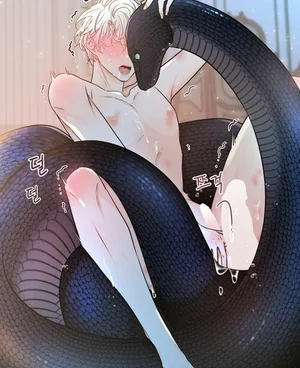
HANG RẮN – Main Plot and Review
**HANG RẮN: An Unforgettable Deep Dive into 18+ BoyLove, Kịch Tính, and the Human (and Người Thú) Heart. Discover this Truyện Màu Manhwa phenomenon now!**
|||
# HANG RẮN: A JellyComics Deep Dive into the Labyrinthine Depths of Desire, Trauma, and Rebirth in an 18+ Manhwa Masterpiece
Welcome, esteemed readers and fellow aficionados of exceptional digital storytelling, to another quintessential "Deep Dive Review" from JellyComics! As your Lead Comic Critic, I've had the distinct pleasure—and often, the profound emotional challenge—of immersing myself in a narrative that has utterly captivated the Manhwa landscape: **HANG RẮN**. This isn't just another BoyLove (BL) title; it's a vibrant, visceral, and often agonizingly beautiful journey into a world where primal instincts clash with tender affections, where trauma sculpts character, and where the vibrant hues of a Truyện Màu presentation amplify every single sensation. Prepare yourselves, for we are about to unravel the intricate threads of a comic that defines Kịch Tính and Lãng Mạn, all while offering a startlingly mature exploration of Tình Cảm in its rawest forms.
## Introduction: The Phenomenon of HANG RẮN
From the moment its initial chapters graced the digital pages, **HANG RẮN** carved out an undeniable niche, rapidly ascending to cult status amongst 18+ Manhwa enthusiasts. It's more than just a visually stunning Truyện Màu experience; it’s a narrative juggernaut, a psychological thriller wrapped in the intoxicating allure of BoyLove, punctuated by moments of breathtaking Lãng Mạn and heart-wrenching Kịch Tính. This isn't merely a story to be passively consumed; it demands engagement, drawing readers into its complex web of emotions, desires, and existential struggles. The creative minds behind this phenomenon have masterfully woven a tapestry so rich in detail, so daring in its themes, that it stands as a testament to the evolving power of Manhwa as an art form. Its reputation precedes it, echoing through fan communities with whispers of its intense emotional landscape and its unapologetic embrace of mature content.
The immediate appeal of **HANG RẮN** lies not just in its explicit 18+ rating, which certainly grabs attention, but in how it uses that freedom to explore themes with an honesty rarely seen. It delves into the dark corners of the human (and Người Thú) psyche, presenting vulnerabilities and strengths in equal measure. This isn't gratuitous; it's fundamental to the narrative's core. The sheer artistry of its Truyện Màu format enhances every panel, transforming simple scenes into evocative masterpieces, and escalating moments of high Kịch Tính into truly cinematic experiences. The delicate balance between gritty reality and tender Tình Cảm is precisely what makes **HANG RẮN** a standout. It never shies away from discomfort, yet it consistently rewards the reader with profound emotional resonance and character development that feels earned and authentic. This isn't fleeting entertainment; it's a deep, resonant narrative experience, pushing boundaries and redefining expectations within the BoyLove genre.
What truly elevates **HANG RẮN** from a fleeting trend to a bona fide phenomenon is its profound depth. Many series promise Kịch Tính and Lãng Mạn, but few deliver with such consistent intensity and nuance. The narrative structure, while complex, is incredibly rewarding, unfolding layers of mystery and character motivation with each progressing chapter. The inclusion of Người Thú elements adds a captivating layer of fantasy and explores themes of instinct versus civilization, prejudice, and acceptance, enriching the overall world-building in a significant way. For anyone seeking a mature, thought-provoking, and visually spectacular BoyLove Manhwa, one that dares to tackle sensitive subjects with both ferocity and grace, then **HANG RẮN** isn't just a recommendation—it's an imperative. It's a journey into the wild heart of Tình Cảm, meticulously crafted and flawlessly executed, leaving an indelible mark long after the final panel.
## In-Depth Plot Analysis & World Building of HANG RẮN
The world of **HANG RẮN** is one meticulously constructed, a fantastical yet grounded reality where the lines between human and beast are not merely blurred but often violently intertwined. At its core, the narrative plunges us into a desolate, almost post-apocalyptic setting, where remnants of humanity struggle for survival against the dominant and often hostile species of Người Thú. This isn't your typical idyllic fantasy; it’s a harsh, unforgiving landscape dictated by primal instincts and a rigid hierarchy where strength often equates to survival. The very air is thick with tension, a constant undercurrent of danger that permeates every interaction and decision. The initial chapters immediately establish this bleak atmosphere, effectively setting the stage for the intense Kịch Tính that is to follow.
The inciting incident, a brutal and transformative encounter, thrusts our protagonist, whose life prior was likely one of quiet desperation or struggle, into an entirely new and terrifying existence. This isn't a gentle introduction to a fantastical world; it's a violent baptism by fire. The circumstances of this encounter, often involving themes of capture, subservience, and the desperate fight for self-preservation, are crucial in shaping the protagonist's immediate psychological state. They are stripped of their agency, thrust into a world governed by rules they don't understand, and forced to confront the raw, untamed nature of the Người Thú species. This initial subjugation is not merely a plot device; it's the crucible in which the protagonist's resilience, or lack thereof, is tested, laying the groundwork for a profound journey of self-discovery and survival. The introduction of the dominant Người Thú character, often portrayed as a powerful and enigmatic figure, immediately establishes a complex power dynamic, one that is rife with tension, fear, and an undeniable, nascent attraction that begins to simmer beneath the surface of hostility.
As the story of **HANG RẮN** progresses, the narrative meticulously unravels the intricate social structures and lore surrounding the Người Thú. We learn about their territories, their pack dynamics, their unique abilities, and the ancient customs that govern their lives. This world-building isn't just exposition; it's integrated seamlessly into the plot, influencing character decisions and driving conflicts. The protagonist, initially an outsider, slowly begins to perceive the nuances of this society, moving beyond initial fear to a cautious understanding, and eventually, perhaps, even a form of acceptance or integration. This gradual unveiling of the world adds immense depth, preventing the setting from being a mere backdrop and transforming it into an active character in itself. The internal conflicts within the Người Thú community—rivalries between different clans, struggles for dominance, and ancient prophecies or superstitions—often serve as external pressures that further complicate the protagonist’s predicament and relationship.
A recurring theme within **HANG RẮN** is the exploration of identity, both personal and societal. The protagonist grapples with their humanity in the face of animalistic desires and instincts, forced to question their own preconceived notions of right and wrong, civilization and savagery. This internal struggle is mirrored by the external conflict between humanity and the Người Thú, a tension that always hovers, threatening to erupt into full-blown war or widespread prejudice. The Lãng Mạn elements, while intense and undeniably 18+, are not merely for shock value. They are deeply intertwined with this struggle for identity and acceptance. The developing Tình Cảm between the protagonist and their Người Thú captor/partner is often fraught with moral ambiguities, power imbalances, and societal taboos, making their bond all the more compelling and, at times, heartbreaking.
The plot of **HANG RẮN** is characterized by its relentless pacing and constant Kịch Tính. Just when one conflict seems resolved, another, often more perilous, emerges. From daring escape attempts and harrowing confrontations with rival Người Thú, to uncovering ancient secrets and navigating treacherous political landscapes, the story never allows for complacency. Each chapter often ends on a cliffhanger, expertly crafted to leave readers gasping and desperate for the next installment. The narrative employs flashbacks judiciously, revealing traumatic backstories or crucial pieces of lore that deepen understanding without disrupting the flow. These plot twists are rarely arbitrary; they are meticulously planned, often rooted in the characters' pasts or the established world-building, making them feel organic and impactful. The inherent dangers of this world, combined with the complex emotional landscape of the characters, create a reading experience that is both exhilarating and emotionally taxing, pulling readers deeper into the plight and passions of its inhabitants. The intricate dance between vulnerability and dominance, fear and fascination, forms the very backbone of this compelling **HANG RẮN** narrative, making every moment an intense emotional investment.
## Comprehensive Character Study
The heart and soul of **HANG RẮN** reside not just in its breathtaking Truyện Màu visuals or its intricate plot, but in its profoundly complex and deeply human (and Người Thú) characters. Each individual is crafted with such meticulous detail that they feel palpably real, their motivations, flaws, and desires laid bare for the reader to scrutinize and empathize with.
### Protagonist Analysis
The protagonist of **HANG RẮN** is arguably one of the most thoroughly explored characters in contemporary 18+ Manhwa. Their journey is a masterclass in psychological realism, depicting a gradual, often painful, evolution born from unimaginable trauma. Initially introduced as a figure of vulnerability, possibly even helplessness, they are defined by a deep-seated fragility stemming from a past scarred by hardship and potentially a specific, brutal incident that stripped them of their former self. This trauma manifests in various ways: crippling anxiety, an inherent distrust of others (especially those in power or perceived threats), vivid nightmares that haunt their sleep, and a deeply ingrained survival instinct that often conflicts with their more compassionate nature. Their body language, meticulously rendered in the Truyện Màu panels, frequently communicates this internal turmoil – withdrawn postures, averted gazes, tense shoulders – speaking volumes before a single word is uttered.
Their initial interactions are often characterized by fear and defensiveness, a natural reaction to being thrust into a hostile environment. They are constantly evaluating threats, seeking escape routes, and struggling to maintain a semblance of self in the face of overwhelming circumstances. However, beneath this shell of fear lies a nascent strength, a stubborn will to survive that slowly begins to assert itself. This is not an overnight transformation; it's a laborious, circuitous path. Each interaction, each forced choice, each moment of despair and triumph, chips away at their old self and forges a new one. Their growth arc is deeply intertwined with their interactions with the dominant Người Thú character. Initially seeing them purely as a captor or a monster, the protagonist slowly begins to perceive layers beneath the intimidating exterior. This shift is gradual, marked by moments of unexpected kindness, shared vulnerability, or a deeper understanding of the Người Thú's own complex existence.
The protagonist's coping mechanisms are varied. At times, they resort to defiance, lashing out or attempting to assert their diminishing autonomy. Other times, they retreat into themselves, processing their experiences internally. A significant aspect of their growth is learning to differentiate between genuine threat and perceived danger, learning to trust, even tentatively, and learning to find power in their own voice and agency despite overwhelming odds. Their journey isn't about becoming fearless, but about finding courage *in spite of* fear, about reclaiming their identity, and ultimately, about embracing a form of Tình Cảm that transcends societal norms and personal prejudices. The emotional investment the reader develops in the protagonist's arduous path to resilience and self-acceptance is one of **HANG RẮN**'s greatest triumphs, making their eventual moments of defiance or tenderness all the more impactful.
### Antagonist/Side Character Analysis
The world of **HANG RẮN** is populated by a vibrant cast of supporting characters, each serving a crucial role in enriching the narrative and challenging the protagonist's journey. While there isn't always a singular, clear-cut "antagonist" in the traditional sense, various figures embody adversarial roles or complex moral ambiguities. The primary Người Thú character, who often acts as both captor and protector, mentor and tormentor, embodies this complexity perfectly. They are rarely evil for evil's sake; their actions are typically driven by deeply ingrained instincts, societal expectations, personal ambitions, or even a twisted form of affection. Their own backstories, often revealed through glimpses or interactions, paint a picture of individuals shaped by the harsh realities of their world, making their actions understandable, if not always justifiable.
Other Người Thú characters, from rival pack leaders to loyal subordinates, contribute significantly to the Kịch Tính. They introduce external conflicts, challenge the developing relationship, or provide insights into the broader Người Thú society. Their motivations range from territorial dominance and resource control to personal grudges or a desire to uphold ancient traditions. These side characters are never two-dimensional; even seemingly minor figures are often imbued with distinct personalities, contributing to the rich tapestry of the world. For instance, a minor character might initially appear hostile, only to reveal a hidden depth or a surprising moment of empathy, reflecting the inherent complexities of the world that **HANG RẮN** constructs.
Human side characters, though potentially fewer in number, are equally significant. They often serve as reminders of the protagonist's lost world, or as symbols of the lingering prejudice and fear that exist between species. They might represent hope, betrayal, or a different perspective on survival. The diverse motivations of these characters—ranging from self-preservation to altruism, from cunning manipulation to unwavering loyalty—add layers of intrigue and ethical dilemmas to the narrative. They prevent the story from becoming too insular, constantly reminding both the protagonist and the reader of the wider implications of their actions and the fragile state of their interconnected worlds. Each supporting character, whether friend or foe, is a meticulously crafted cog in the grand machinery of **HANG RẮN**, driving the plot forward and deepening the emotional resonance of the entire experience.
### Relationship Dynamics (Chemistry)
The very essence of **HANG RẮN**'s appeal, particularly within the BoyLove genre, lies in its exquisite portrayal of intricate relationship dynamics and the palpable chemistry between its central characters. The primary romantic relationship, often beginning under duress, is a masterclass in building Tình Cảm from the ground up, moving beyond initial fear and antagonism towards a bond that is both profound and profoundly complicated. This isn't a conventional romance; it’s an intense, often turbulent, exploration of submission and dominance, desire and consent, and the arduous path to mutual understanding.
The chemistry between the protagonist and their Người Thú partner is undeniable, almost electric. It’s conveyed not just through explicit 18+ scenes, which are undeniably impactful, but through a myriad of subtle cues: stolen glances, lingering touches, unspoken understandings, and the charged atmosphere that often crackles between them. The initial power imbalance, a cornerstone of their dynamic, slowly begins to shift and evolve. The Người Thú partner, initially seen as an unyielding force, gradually reveals vulnerability, a protective instinct, or a capacity for tenderness that surprises both the protagonist and the reader. Conversely, the protagonist, initially submissive, slowly finds their voice, asserts their boundaries, and begins to demand a different kind of respect and connection.
This evolution is neither linear nor easy. Their Lãng Mạn is punctuated by moments of misunderstanding, conflict, and heartbreaking setbacks, all contributing to the Kịch Tính of their emotional journey. The narrative bravely tackles difficult subjects surrounding consent, trauma, and the complex nature of attraction when power dynamics are at play. It explores how Tình Cảm can blossom in the most unexpected and challenging circumstances, forcing characters to confront their prejudices, fears, and internal biases. The growth of their bond is mirrored by the growth of their individual characters, as each learns to compromise, to protect, and to truly see the other. The intensity of their connection is raw, primal, and deeply affecting, making their intimate moments not just visually arresting but emotionally resonant. It's a relationship that challenges preconceived notions of romance, offering a portrayal of Tình Cảm that is as fierce as it is fragile, as sensual as it is spiritual, making the intricate dance between them a central pillar of the **HANG RẮN** experience.
## Artistic Review: The Visual Mastery of HANG RẮN
The visual presentation of **HANG RẮN** is, without hyperbole, nothing short of breathtaking. As a Truyện Màu Manhwa, it leverages the full spectrum of digital artistry to create a world that is not only immersive but also deeply expressive. The art style is a monumental achievement, distinguishing itself through its microscopic attention to detail, dynamic compositions, and an unparalleled ability to convey raw emotion. It's an integral component of the storytelling, elevating every moment of Kịch Tính and Lãng Mạn.
Let's begin with the **line work**. The artists behind **HANG RẮN** utilize a stunning array of line weights and textures. Character outlines are often rendered with a crisp, confident stroke, giving them a defined presence against backgrounds. However, for moments of intense emotion or delicate vulnerability, the lines soften, becoming more fluid and nuanced, emphasizing the character's internal state. Action sequences feature dynamic, jagged lines that convey speed and force, while quiet, introspective moments employ finer, more delicate lines that invite closer inspection. Hair is meticulously detailed, with individual strands often visible, adding to the realism. Clothing wrinkles, muscle definitions, and facial contours are all expertly articulated, giving each character a distinct physicality and presence that is both aesthetically pleasing and functionally expressive.
The **shading and lighting** are particularly masterful. The artists employ a sophisticated understanding of light sources, creating dramatic contrasts that define forms and evoke mood. Hard shading is used to great effect in moments of tension or danger, creating deep shadows that heighten suspense and obscure details, forcing the viewer to lean in. Conversely, soft, diffused shading creates an intimate, often melancholic atmosphere, particularly in scenes of introspection or tender Tình Cảm. The play of light on skin, fur, and metallic surfaces is rendered with stunning realism, providing a palpable sense of texture. Glows, reflections, and atmospheric effects (like mist or dust motes) are flawlessly integrated, enhancing the overall depth and realism of each panel. This meticulous shading transforms static images into dynamic scenes, giving them a three-dimensional quality that draws the reader further into the world.
The **color palette** of **HANG RẮN** is both bold and nuanced. While rich, saturated colors are often employed during moments of high Kịch Tính or intense passion, there's also a skillful use of more muted, earthy tones to convey the starkness of the environment or the emotional weight of a scene. Symbolic color choices are frequent: reds for danger or passion, blues for melancholy or serenity, and greens for growth or the untamed wilderness. The artists are adept at color transitions, smoothly shifting from warm, inviting hues to colder, more foreboding palettes to signify changes in mood or narrative direction. This careful selection and application of color ensures that every panel is not just visually appealing but also contributes significantly to the emotional storytelling.
The **panel flow and composition** are exceptionally dynamic. The artists break free from conventional grid layouts, employing varied panel shapes and sizes to control pacing and emphasize key moments. Large, expansive panels are used for dramatic reveals or establishing shots, while smaller, rapid-fire panels can accelerate the sense of Kịch Tính or convey a flurry of quick actions. Diagonal compositions create a sense of movement and instability, perfectly suited for conflict, while symmetrical layouts can evoke a feeling of calm or confrontation. Close-ups on facial expressions or significant objects are strategically placed, drawing the reader's eye and amplifying emotional impact. The use of perspective shifts, from sweeping wide shots to intimate over-the-shoulder views, keeps the visual narrative fresh and engaging, mimicking cinematic techniques.
Finally, the **character design** itself is a triumph. The human characters are drawn with expressive faces and anatomically convincing forms, allowing a full range of emotions to be conveyed through subtle shifts in expression or body language. The Người Thú characters are particularly impressive; they possess distinct animalistic features without sacrificing their humanoid expressiveness. The blending of human and animal anatomy is handled with incredible skill, making their transformations or hybrid forms both believable and visually striking. From the texture of their fur to the sharpness of their claws, every detail contributes to their unique presence and reinforces their primal nature. In summary, the artistic mastery of **HANG RẮN** isn't merely decorative; it's a foundational element of its storytelling, turning a compelling narrative into an unforgettable visual and emotional experience, showcasing the pinnacle of Truyện Màu Manhwa artistry.
## Why HANG RẮN Stands Out: A Comparative Analysis
In a rapidly expanding landscape of BoyLove and 18+ Manhwa, **HANG RẮN** distinguishes itself not just as a strong contender, but as a trailblazer, pushing boundaries and setting new benchmarks for the genre. While many series offer Kịch Tính and Lãng Mạn, few manage to weave them together with such consistent depth and fearless execution, truly making it a unique gem within the realm of Truyện Màu comics.
Compared to a general fantasy BoyLove series, say, a typical "omegaverse" or "fated mates" narrative, **HANG RẮN** transcends superficial trope adherence. Where some series might rely on instinctual mating bonds to drive the romance, **HANG RẮN** delves into the *psychology* of these bonds, exploring the power dynamics, consent issues, and personal growth required for a truly meaningful (albeit unconventional) Tình Cảm to form. It doesn't just present a forced pairing; it painstakingly details the emotional labor involved in building trust and connection from a place of fear and subjugation. This nuanced approach to Lãng Mạn elevates it far beyond simple wish fulfillment.
Consider popular titles known for their 18+ content and Kịch Tính, such as "Killing Stalking" or even certain darker shonen-ai titles. While these often explore psychological torment, **HANG RẮN** manages to balance its intense, often disturbing, themes with genuine moments of vulnerability and burgeoning affection, without sacrificing the grit. It avoids falling into the trap of fetishizing trauma, instead using it as a catalyst for profound character development. The protagonist's journey, in particular, showcases a resilience and an evolving self-awareness that is often overlooked in narratives prioritizing shock value over substance. The explicit elements serve the narrative's exploration of primal instincts and burgeoning desire, rather than existing purely for sensationalism, making the 18+ aspects feel integral to the storytelling.
Furthermore, the inclusion of the Người Thú element, while not entirely unique in fantasy romance, is handled with exceptional gravitas in **HANG RẮN**. Unlike series where animalistic traits might be cosmetic or serve as simple power boosts, here, the Người Thú nature profoundly impacts societal structure, character behavior, and the very philosophy of survival. It raises questions about prejudice, adaptation, and the definition of humanity, making the world-building deeply resonant. The struggle between human 'civilization' and beastly 'instinct' is not just a backdrop; it’s an active player in the narrative, influencing every decision and relationship. This intricate blend of fantasy, psychological drama, and mature romance, all rendered in stunning Truyện Màu, truly solidifies **HANG RẮN**'s position as a standout. It isn't afraid to explore the dark, the uncomfortable, and the deeply human facets of desire and survival, all while maintaining an artistic standard that few can rival.
## FAQ: Everything You Need to Know about HANG RẮN
### H3: What genres does HANG RẮN fall under?
**HANG RẮN** predominantly falls under the Manhwa (Korean comic) umbrella, specifically within the BoyLove (BL) and 18+ genres. It's also categorized as a Truyện Màu (full-color comic), and its narrative is rich with elements of Kịch Tính (drama/thriller), Lãng Mạn (romance), and explores complex themes of Tình Cảm (affection/love). The presence of Người Thú (beast-people) also places it firmly in the fantasy/supernatural genre.
### H3: Is HANG RẮN suitable for all readers?
No, **HANG RẮN** is explicitly rated 18+. It contains mature themes, including graphic depictions of violence, sexual content, and potentially disturbing psychological elements. Readers should be aware of its mature nature before diving in. This is not a casual read for young audiences or those sensitive to dark and intense narratives.
### H3: What makes the art style of HANG RẮN so distinctive?
The art style of **HANG RẮN** is celebrated for its incredibly detailed Truyện Màu rendering, dynamic paneling, and expressive character designs. Artists employ meticulous line work, sophisticated shading, and a powerful color palette to convey mood, action, and deep emotion. The blend of realism with stylized elements, particularly in the Người Thú designs, makes every panel a visual feast.
### H3: Are the characters in HANG RẮN complex, or are they archetypes?
The characters in **HANG RẮN** are remarkably complex and defy simple archetypes. The protagonist undergoes a profound journey of growth, marked by trauma and resilience. Even side characters and antagonists are imbued with intricate motivations and backstories, contributing to the narrative's depth and ethical ambiguities. Their development is a core strength of the series.
### H3: Where can I read HANG RẮN officially and support the creators?
You can find and read the official release of **HANG RẮN** at JellyComics! By reading through official platforms, you directly support the talented creators and translation teams, ensuring they can continue to produce high-quality Manhwa like this. Support authentic sources for the best reading experience and to help the industry thrive.
## Final Verdict: Why You Must Read It at JellyComics
As your Lead Comic Critic at JellyComics, I implore you: if you are seeking a truly transformative and deeply affecting reading experience within the BoyLove, 18+ Manhwa landscape, then **HANG RẮN** is an absolute, undeniable must-read. This isn't just a comic; it's an odyssey into the furthest reaches of human (and Người Thú) emotion, an exploration of survival against impossible odds, and a testament to the enduring, albeit often painful, power of Tình Cảm. Its stunning Truyện Màu visuals are a masterclass in digital artistry, turning every panel into a work of art that pulsates with life, fear, and desire. The intricate Kịch Tính will keep you on the edge of your seat, breathlessly turning pages, while the nuanced Lãng Mạn will stir your soul and challenge your perceptions of romance.
What sets **HANG RẮN** apart, solidifying its status as a critical darling and a fan favorite, is its unwavering commitment to profound character development. The protagonist's journey from trauma to tentative triumph is handled with such raw honesty and psychological depth that it resonates long after you've finished reading. The complex dynamics, the moral ambiguities, and the fearless exploration of mature themes make it an intellectual as well as an emotional investment. It’s a story that asks difficult questions and offers no easy answers, reflecting the messy, beautiful reality of intense relationships.
At JellyComics, we pride ourselves on bringing you the very best in digital comics, and **HANG RẮN** exemplifies the pinnacle of what Manhwa can achieve. It’s a story that demands to be experienced, discussed, and reread. Don't miss out on this captivating, breathtaking, and ultimately unforgettable journey. Dive into the world of **HANG RẮN** today at JellyComics, and discover a narrative that will undoubtedly leave an indelible mark on your heart and mind. You will not regret immersing yourself in this extraordinary example of Manhwa artistry and storytelling.
Frequently Asked Questions about HANG RẮN
What genre is HANG RẮN? Generally, HANG RẮN falls under the various genres category, featuring a storyline focused on character emotions and engaging plot twists.
Why should you read HANG RẮN? If you enjoy stories with emotional depth, well-developed characters, and unexpected turns, HANG RẮN is definitely a great choice.
Who is HANG RẮN suitable for? Depending on the specific arc, HANG RẮN can be suitable for both newcomers and long-time fans of this genre.
If you love HANG RẮN, don’t forget to check out similar series at Truyện tranh đam mỹ.
To explore more reviews and perspectives on HANG RẮN, you can refer to https://jellycomics.com/nhom-dich/jellycomics/.
Jelly Comics (JC) là trang web truyện tranh hàng đầu dành cho những người đam mê truyện tranh. Với một bộ sưu tập đa dạng và phong phú, trang web đem đến cho bạn những giờ phút giải trí tuyệt vời và một trải nghiệm truyện tranh hoàn toàn miễn phí. Nếu bạn là một fan hâm mộ truyện tranh, hãy đến với JC để khám phá thế giới truyện tranh không giới hạn!Hãy truy cập vào Jelly Comics ngay hôm nay để khám phá thế giới truyện tranh đa dạng và thú vị. Là điểm đến lý tưởng cho những bạn đam mê truyện tranh và muốn khám phá thế giới đa dạng và thú vị của truyện tranh miễn phí. Thế giới truyện tranh đang chờ bạn khám phá!
Chapter 32
Chapter 31
Chapter 30
Chapter 29
Chapter 28
Chapter 27
Chapter 26
Chapter 25
Chapter 24
Chapter 23
Chapter 22
Chapter 21
Chapter 20
Chapter 19
Chapter 18
Chapter 17
Chapter 16
Chapter 15
Chapter 14
Chapter 13
Chapter 12
Chapter 11
Chapter 10
Chapter 9
Chapter 8
Chapter 7
Chapter 6
Chapter 5
Chapter 4
Chapter 3
Chapter 2
Chapter 1


