- Tên khác: Itsuki and Haru, Itsuki và Haru, Itsuki to Haru
- Tác giả: Đang cập nhật...
- Nhóm Dịch: Jellycomics ©
- Thể loại: JELLYCOMICS ©, RAW, Yaoi
- Thẻ: BL manga, Boys Love manga, friendship romance manga, Haru character, Itsuki character, Itsuki to Haru manga, unrequited love manga
- Trạng thái: Completed
- Ngày thêm: 02/01/2026
- Tổng lượt xem: 132
Itsuki to Haru is a manga series that has garnered significant attention. The following article provides a detailed overview of the plot, setting, and why Itsuki to Haru is worth adding to your reading list.
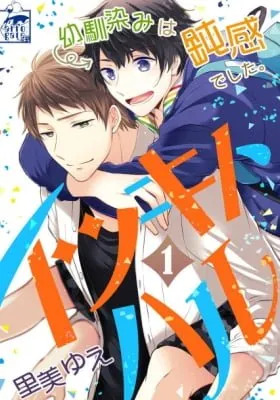
Itsuki to Haru – Main Plot and Review
Discover Itsuki to Haru, a poignant BL manga exploring unrequited love, suppressed desires, and the fragile line between friendship and romance.
|||
# The Unspoken Symphony of Affection: A Deep Dive into "Itsuki to Haru" and the Delicate Dance of the Heart
## Introduction: The Phenomenon of Itsuki to Haru
From the moment the initial chapters graced the digital shelves, "Itsuki to Haru" has captivated the hearts of BL (Boys' Love) manga enthusiasts and critical readers alike. This isn't just another entry into the ever-expanding genre; it is a meticulously crafted narrative, a poignant exploration of unrequited affection, profound internal conflict, and the often-agonizing beauty of emotional vulnerability. At JellyComics, we pride ourselves on identifying and celebrating stories that resonate deeply, and "Itsuki to Haru" undoubtedly belongs in this esteemed category, solidifying its position as a significant phenomenon within contemporary BL manga.
The allure of "Itsuki to Haru" lies not in grand, dramatic gestures or overtly sensational plot twists, but rather in its quiet intensity. It masterfully uses subtlety as a powerful narrative tool, drawing readers into the intricate emotional landscape of its protagonists. The story unfolds with a gentle, almost melancholic rhythm, reflecting the suppressed desires and unspoken truths that lie at its core. This approach allows for a more profound connection with the characters, fostering empathy and understanding for their predicaments. Readers aren't merely observers; they become confidantes to Haru's deepest fears and Itsuki's gradual awakening.
What makes "Itsuki to Haru" particularly compelling is its commitment to psychological realism within the BL framework. It delves into the messy, often uncomfortable reality of long-held feelings, the fear of rejection, and the transformative power of proximity. The premise—childhood friends, one secretly in love, brought together under one roof—is a classic trope, yet this manga elevates it through nuanced characterization and an unwavering focus on emotional authenticity. It explores the delicate tightrope walk between maintaining a cherished friendship and risking it all for the chance of something more, a dilemma many readers can relate to on a fundamental human level, regardless of their own experiences with love and relationships.
Moreover, the narrative of "Itsuki to Haru" serves as a brilliant testament to the genre's capacity for emotional depth and sophisticated storytelling. It transcends superficial classifications, proving that BL manga can and does tackle complex themes such as self-worth, the courage to express oneself, and the nuanced nature of personal growth. It is a story that encourages introspection, prompting readers to consider their own experiences with love, friendship, and the difficult choices that often accompany them. This profound engagement with its audience is a cornerstone of its growing popularity and cements its status as a must-read title that leaves a lasting impression long after the final panel has been absorbed.
## In-Depth Plot Analysis & World Building of Itsuki to Haru
The narrative tapestry of "Itsuki to Haru" is woven with threads of quiet longing, hesitant hope, and the ever-present tension of unspoken words. The story primarily unfolds within the intimate, domestic sphere, a setting that accentuates the emotional closeness and burgeoning anxieties between the two main characters. The "world building" isn't about intricate fantasy realms or complex societal structures; instead, it's about building the internal worlds of Itsuki and Haru, and the shared, familiar spaces that become charged with new meaning.
We are introduced to Itsuki and Haru as childhood friends, a foundation that grounds their entire relationship. This shared history is not merely a backstory element; it's a living, breathing component of their present-day dynamic. Years of shared experiences, inside jokes, and comforting routines have built a bond so profound that it becomes both a source of strength and a formidable barrier. Haru, our quiet protagonist, has been harboring a secret, profound love for Itsuki for what feels like an eternity. This unrequited affection has shaped his entire existence, influencing his choices, his demeanor, and his interactions with Itsuki. Every gesture, every word exchanged between them, is filtered through Haru's lens of suppressed desire, adding layers of subtext that only the reader and Haru are privy to.
The pivotal moment that sets the central conflict in motion is Haru’s tentative, almost accidental "confession" or proposal. When he gathered the immense courage to voice his feelings, Itsuki, either through genuine obliviousness or a protective refusal to acknowledge the gravity of the statement, dismissed it as a joke. This scene is exquisitely painful and crucial. It isn't a dramatic, tearful rejection; it's something far more subtly devastating: a complete misunderstanding, a trivialization of Haru’s deepest emotions. This incident doesn't just hurt Haru; it reinforces his already deeply ingrained fear of rejection and solidifies his conviction that his love is not only unwanted but perhaps even laughable. It cements his resolve to keep his feelings buried, leading him to accept his fate as merely "just being by his side." This acceptance, however, is a fragile truce, a self-imposed prison of the heart.
Haru's internal monologue following this event reveals a complex interplay of resignation, lingering hope, and a self-sacrificing love that prioritizes Itsuki’s comfort above his own emotional well-being. He rationalizes his position, convincing himself that friendship is enough, that witnessing Itsuki's happiness, even if it's with someone else, would be a sufficient reward. This mindset, while seemingly noble, also speaks to a deep-seated insecurity and a reluctance to challenge the status quo, fearing the complete loss of Itsuki from his life. The world, for Haru, becomes a stage where he plays the part of the steadfast friend, while beneath the surface, a tempest of emotions rages.
The true catalyst for the unfolding drama arrives when Itsuki needs a place to stay for a week and, naturally, turns to Haru. This seemingly innocuous request is the spark that ignites the suppressed desires Haru has meticulously kept under wraps. The "world" of their shared living space, once a casual backdrop for their friendship, transforms into a crucible of intense emotional scrutiny. Every shared meal, every late-night conversation, every accidental touch becomes fraught with unspoken meaning for Haru. The mundane aspects of cohabitation—morning routines, shared chores, proximity during sleep—are magnified, each moment a test of Haru's resolve and a challenge to his carefully constructed emotional barriers.
The genius of "Itsuki to Haru"'s plot lies in its focus on these minute interactions. The detailed analysis of these small moments allows the narrative to breathe and grow organically. For example, the description of Haru preparing a meal for Itsuki is not just about cooking; it's about the care he puts into it, the silent hope that Itsuki will appreciate it, and the agonizing awareness of their physical closeness. A casual brush of hands while reaching for something becomes a seismic event in Haru's internal world, sending ripples of desire and fear through him. The story meticulously documents these internal struggles, making them palpable to the reader.
Itsuki, initially, remains largely oblivious to the intensity of Haru's feelings. His perspective, while not always explicitly stated through his own internal monologues in the early stages, is conveyed through his actions and reactions. He sees Haru as his dearest friend, a constant in his life, reliable and comforting. His playful banter, his easygoing nature, and his genuine affection for Haru are all part of his established personality. However, the week of cohabitation subtly begins to chip away at this obliviousness. The heightened intimacy, the constant presence of Haru, and perhaps Haru's own barely perceptible shifts in behavior, start to register with Itsuki on a subconscious level. The plot skillfully portrays Itsuki's gradual shift from casual friendship to a dawning awareness, without making him seem deliberately cruel or uncaring in his initial ignorance.
The tension escalates naturally throughout the week. The narrative arc isn't a sharp incline but a slow, winding path, mimicking the gradual unfolding of emotions and realizations. Each day brings new challenges for Haru: managing his expressions, suppressing his instincts, and battling the growing intensity of his desires. The reader witnesses Haru's internal monologue constantly debating, struggling, and almost breaking under the weight of his feelings. The world within Haru's mind becomes the primary stage for conflict, with Itsuki unknowingly acting as both the catalyst and the object of this internal drama. The genius of the pacing is that it allows the reader to truly inhabit Haru's emotional state, feeling every pang of longing and every surge of fear right alongside him, making the eventual breakthroughs and confrontations all the more impactful.
## Comprehensive Character Study
The heart of "Itsuki to Haru" beats strongest through its exquisitely crafted characters. Their depth, their flaws, and their potential for growth are what elevate this manga beyond a simple romance.
### Protagonist Analysis: Haru
Haru is not merely a protagonist; he is the emotional anchor of "Itsuki to Haru," a character whose internal world is painted with such exquisite detail that readers can’t help but be drawn into his quiet struggle. On the surface, Haru presents as a gentle, somewhat reserved individual, perhaps even unremarkable to the casual observer. However, beneath this calm exterior lies an ocean of profound, long-suffering emotion, primarily his secret, unwavering love for his childhood friend, Itsuki. This love isn't a fleeting crush; it is a fundamental aspect of his identity, a feeling that has been nurtured and suppressed over many years, shaping his entire psychological landscape.
Haru's psyche is deeply marked by his experience of unrequited love. The memory of Itsuki's dismissive reaction to his earlier, brave confession acts as a significant trauma. It wasn't just a rejection; it was a profound invalidation of his feelings, a moment that taught him that his love was not only unwelcome but could even be perceived as a joke. This perceived trivialization has instilled in him a deep-seated fear of vulnerability, a terror of expressing his authentic self and facing potential ridicule or, worse, the complete severing of his bond with Itsuki. This fear manifests as a profound passivity in their relationship. Haru consistently prioritizes Itsuki's comfort and happiness over his own, often sacrificing his emotional needs to maintain the delicate balance of their friendship. He operates under the assumption that itsuki's happiness, even if it excludes him romantically, is paramount. This self-sacrificing nature, while seemingly noble, is also a defense mechanism, a way to avoid the pain of potential loss.
His internal monologues are a cornerstone of his characterization. They offer a raw, unfiltered glimpse into his tormented mind, revealing a constant battle between his desires and his anxieties. We witness his thoughts meticulously cataloging Itsuki's every gesture, every smile, every casual touch, imbuing them with layers of meaning and hope, only to have those hopes dashed by his own rationalizations and fears. His suppressed desires are not just romantic; they extend to a longing for true understanding and acceptance. The week Itsuki spends at his apartment is a crucible for Haru's growth arc. Forced proximity, the constant presence of the object of his affection, begins to erode his carefully constructed emotional walls. Each shared meal, each late-night conversation, each moment of unintentional intimacy chips away at his resolve to remain "just a friend." He experiences an agonizing push and pull: the desperate wish to reveal his true feelings warring with the debilitating fear of the repercussions.
The beauty of Haru’s growth lies in its gradual, authentic nature. It's not an overnight transformation. Instead, it’s a slow, painful awakening to the realization that passive acceptance is no longer sustainable. The internal pressure mounts, fueled by both his intensified feelings and the subtle shifts he begins to perceive in Itsuki. Haru's journey is one of learning to value his own emotional needs, of finding the courage to take a risk, even if it means potentially losing everything. His trauma—the earlier rejection—is a ghost that haunts him, but it is through confronting this fear, through the sheer overwhelming force of his current desires, that he begins to find a path toward healing and self-assertion. His character arc is a powerful testament to the idea that true strength often lies in vulnerability.
### Antagonist/Side Character Analysis: Itsuki
Itsuki, while not an antagonist in the traditional sense, serves as the unwitting catalyst and initial obstacle to Haru's romantic aspirations. His character is crafted with a deliberate initial obliviousness that makes Haru’s predicament all the more poignant. Itsuki embodies the archetype of the effortlessly charming, kind-hearted individual who, through no fault of his own, is simply unaware of the depth of feeling he inspires.
From Haru’s perspective, Itsuki is the sun around which his world revolves. He is described as bright, friendly, and naturally affectionate, traits that make him incredibly endearing and, paradoxically, more difficult for Haru to confront. Itsuki’s kindness is genuine, never malicious. His initial dismissal of Haru’s confession wasn't born of cruelty but rather from a lack of emotional intelligence in that specific context, perhaps a youthful inability to truly grasp the gravity of such a statement from his dearest friend. He simply didn't process it as a genuine romantic overture, perhaps interpreting it as a jest or a momentary lapse in judgment. This interpretation, while devastating for Haru, paints Itsuki as a relatively innocent party rather than a villain.
Itsuki's journey throughout "Itsuki to Haru" is one of gradual awakening. The week spent living with Haru forces him out of his comfortable, established perception of their friendship. His "antagonistic" role dissipates as he begins to perceive the nuances of Haru's behavior and the undeniable emotional undercurrents that he had previously overlooked. The heightened proximity and shared intimacy open his eyes to Haru in a way he hadn't before. He starts noticing the subtle changes in Haru's expressions, the way Haru sometimes avoids his gaze, the unexpected intensity in Haru's voice. These small observations begin to sow seeds of doubt and curiosity in his mind, challenging his long-held assumptions about their relationship.
His growth is characterized by a dawning realization that his comfortable worldview regarding Haru is incomplete. He moves from friendly banter and casual affection to a state of confusion, then to contemplation, and finally, to an earnest exploration of his own feelings. Itsuki's emotional processing is slower than Haru's, but it is equally authentic. He is forced to re-evaluate their entire history, reinterpreting past events through this new lens of potential romance. This process is crucial because it allows Itsuki to develop his own agency in the relationship, transforming him from a passive object of affection into an active participant in their evolving dynamic. The story doesn't just focus on Haru's suffering; it also explores the complexities of Itsuki's belated understanding and his own eventual struggle with newfound feelings.
While the primary focus is on Itsuki and Haru, the manga implies a broader world of friends and family. Even if these side characters are not explicitly detailed, their implied presence contributes to the "world building" of the story. For instance, the reason Itsuki needs a place to stay might involve family circumstances, or casual mentions of other friends provide a sense of their social sphere. These elements subtly reinforce the normalcy of their lives, making the emerging romantic tension feel even more pronounced against a backdrop of everyday existence. Any brief interaction with other characters, even if fleeting, can highlight the unique bond Itsuki and Haru share, by contrast.
### Relationship Dynamics (Chemistry)
The relationship dynamics between Itsuki and Haru are the pulsating core of the manga, a masterclass in slow-burn emotional development. Their chemistry is less about explosive passion initially and more about the intricate dance of unspoken affection, long-standing comfort, and burgeoning tension. It's a chemistry built on a foundation of childhood friendship, which means there's an inherent intimacy and understanding already present, but also a formidable wall of platonic expectation that must be dismantled.
The initial dynamic is characterized by a significant power imbalance. Haru, consumed by his secret love, grants Itsuki immense emotional power, allowing Itsuki's perceived indifference to dictate his actions and internal state. Itsuki, on the other hand, wields this power unknowingly, his obliviousness creating a chasm between their emotional realities. Haru lives in a constant state of hyper-awareness regarding Itsuki, dissecting every gesture and word. Itsuki, conversely, perceives Haru through the lens of unwavering friendship, blind to the deeper currents flowing beneath. This asymmetry creates a poignant sense of yearning and frustration for Haru, a feeling that resonates deeply with readers who have experienced unrequited love.
The most compelling aspect of their chemistry is the "unspoken tension." This tension isn't always aggressive; often, it’s a delicate, fragile thing, like a held breath. It manifests in Haru's internal struggles – his near-confessions that are choked back, his desperate attempts to appear casual, his rapid heartbeat at Itsuki's proximity. For Itsuki, this tension slowly manifests as a growing unease, a sense that something has shifted, an unidentifiable change in Haru’s aura or behavior. The manga excels at portraying these subtle cues – a lingering gaze, a moment of silence stretched too long, a blush that Haru desperately tries to hide.
The slow burn is meticulously paced, ensuring that every small interaction contributes to the evolving dynamic. It’s not about grand romantic declarations at first, but about tiny, almost imperceptible shifts. A shared laugh that feels a little deeper, an accidental touch that lingers for a fraction of a second too long, a quiet conversation late into the night that unveils new facets of their personalities. These moments chip away at their respective defenses, gradually transforming the landscape of their relationship. The shared domestic space during the week Itsuki stays over becomes a pressure cooker for this slow burn, intensifying their interactions and forcing them into a level of intimacy they hadn't experienced before as adults.
Their communication, or often the lack thereof, is central to their dynamic. Haru struggles with articulating his feelings, paralyzed by fear. Itsuki, initially, struggles with perceiving them. The journey of their relationship is, in essence, a journey towards honest communication, both verbal and non-verbal. The moments where they almost connect, where a word is on the tip of Haru's tongue, or where Itsuki almost grasps the underlying emotion, are incredibly powerful. This tension of near-misses and withheld truths builds emotional stakes, making the eventual breakthroughs, however small, feel profoundly significant.
Ultimately, the chemistry between Itsuki and Haru is built on a foundation of deep, undeniable affection that simply needs the right circumstances to evolve. It’s the chemistry of two souls who are inherently drawn to each other, but who must navigate the treacherous waters of fear, misunderstanding, and the courage required to redefine their bond. Their relationship dynamic is a testament to the idea that love, especially when it blossoms from friendship, often requires patience, introspection, and the bravery to take a leap of faith.
## Artistic Review: The Visual Mastery of Itsuki to Haru
The visual storytelling in "Itsuki to Haru" is not merely supplementary to the narrative; it is an intrinsic, inseparable component that elevates the emotional resonance of the entire work. The mangaka’s artistic prowess is evident in every panel, meticulously crafted to convey mood, character depth, and the intricate dance of unspoken emotions. This is truly a masterclass in how art can speak volumes where words are deliberately sparse.
Let's begin with the **line work**. The lines in "Itsuki to Haru" are characterized by their delicate precision and remarkable expressiveness. They are often fine, almost ethereal, lending a softness to the characters and their environment that perfectly complements the nuanced emotional narrative. However, this delicacy is not weakness; the lines possess a remarkable versatility. When emotions swell, such as Haru's internal turmoil, the lines can gain a subtle increase in weight around eyes or furrowed brows, intensifying the visual impact of his anguish or yearning. Character outlines are clean, allowing for clear distinction, yet never feeling stiff. There's an organic flow to the lines, particularly in hair and fabric, that gives a sense of movement and naturalism. The variation in line thickness is expertly employed to draw the reader's eye, emphasizing crucial details like a trembling hand, a hesitant glance, or the subtle curve of a lip.
**Shading** is another area where the artistic mastery shines. The mangaka employs a sophisticated use of screentones and precise ink work to create depth, texture, and atmosphere. Shadows are not just used to indicate light sources; they are utilized as powerful tools for mood. Deep shadows can convey Haru's internal despair or the heavy weight of his secrets, enveloping him in a visual representation of his solitude. Conversely, soft, diffused light, often achieved through lighter screentones or negative space, highlights moments of tenderness, hope, or quiet intimacy. The way light plays on the characters’ faces, particularly their eyes, is incredibly effective. Subtle gradients in shading around cheekbones or the bridge of the nose add a three-dimensionality that makes the characters feel incredibly real and present. Textural details, like the folds in clothing or the grain of wood, are rendered with enough detail to immerse the reader without ever overwhelming the emotional focus.
The **panel flow and composition** are exemplary, guiding the reader's eye seamlessly through the narrative while simultaneously controlling pacing and emotional impact. The mangaka often uses close-up shots of faces, particularly eyes and mouths, to emphasize raw emotion. A single panel dedicated to Haru's downcast eyes or a slight tremor in his lips can convey more than pages of dialogue. Wide shots are used strategically to establish setting and emphasize the physical space between characters, or the lack thereof, further highlighting the growing intimacy or awkwardness. The arrangement of panels is dynamic; sometimes a series of smaller, rapid panels can depict a moment of quick internal thought or a fleeting interaction, while larger, more expansive panels allow for sustained emotional beats, giving the reader time to absorb the sentiment. The flow is never jarring, always serving the story's emotional rhythm.
**Character design** is both distinct and evocative. Itsuki and Haru are visually appealing, but beyond aesthetics, their designs effectively communicate aspects of their personalities. Haru often has a softer, slightly more vulnerable facial structure, with eyes that frequently hold a touch of melancholy or hidden depth. His posture might be slightly less assertive, reflecting his internal passivity. Itsuki, by contrast, might be depicted with a more open, brighter expression, his eyes wide and often reflecting an innocent curiosity or playful warmth, underscoring his initial obliviousness. Their hairstyles, their clothing choices—all these elements subtly reinforce their individual traits. Their expressions are particularly noteworthy; every nuance, from a subtle blush to a tightening of the jaw, is meticulously drawn, making their internal states externally visible.
Even the **backgrounds**, whether minimalist or detailed, contribute significantly. In moments of intense character focus, backgrounds might be simplified or blurred, ensuring that the reader's attention remains solely on the emotional exchange. When backgrounds are rendered in detail, they serve to ground the characters in a believable, lived-in world, enhancing the sense of realism. A cluttered living room or a cozy kitchen isn't just a backdrop; it becomes part of the shared experience, an extension of their domestic intimacy. The use of flowers or other visual metaphors is subtle but impactful, adding layers of poetic meaning without being overly symbolic.
In essence, the art of "Itsuki to Haru" is a masterclass in visual communication. It doesn't just illustrate the story; it *tells* the story, often with greater eloquence and power than words alone. It creates an immersive, emotionally resonant experience that is a testament to the mangaka's profound skill and understanding of character and narrative.
## Why Itsuki to Haru Stands Out: A Comparative Analysis
"Itsuki to Haru" carves out a distinct and memorable niche within the expansive landscape of Yaoi and BL manga, distinguishing itself through its unwavering commitment to emotional realism, its delicate pacing, and its profound character introspection. While drawing upon established genre tropes, it manages to elevate them, offering a deeply resonant experience that sets it apart from many of its contemporaries.
When comparing "Itsuki to Haru" to other genre giants, its unique strengths become even more apparent. For instance, consider a title like **_Given_**. While _Given_ is lauded for its exploration of grief, music, and the formation of a band, leading to deeply emotional romantic developments, "Itsuki to Haru" operates on a much more intimate, internal scale. _Given_'s drama often unfolds through external events and musical performances that serve as powerful emotional catharses. In contrast, "Itsuki to Haru" finds its catharsis in the subtle shifts of expression, the unspoken words, and the internal battles of its protagonist. Both explore emotional depth, but "Itsuki to Haru" does so with a quieter, almost melancholic intensity, focusing solely on the two central figures rather than a broader ensemble.
Another prominent title, **_Ten Count_**, is renowned for its psychological tension, power dynamics, and a more explicit exploration of trauma and therapeutic processes. While "Itsuki to Haru" certainly touches upon Haru's internal trauma (the perceived rejection), it approaches it with a gentle touch, emphasizing recovery through acceptance and communication rather than explicit therapy or intricate psychological games. _Ten Count_ often uses a more clinical, almost detached lens for its character exploration, whereas "Itsuki to Haru" immerses the reader directly into Haru’s raw, subjective emotional experience, making it feel incredibly personal and vulnerable. The sexual tension in _Ten Count_ is often overt and charged; in "Itsuki to Haru," it is a slow-burning undercurrent, palpable but often suppressed, reflecting Haru’s hesitancy.
In the realm of lighter, more wholesome BL, titles like **_Cherry Magic! Thirty Years of Virginity Can Make You a Wizard?!_** offer heartwarming, often comedic takes on first love and telepathic abilities. While both "Itsuki to Haru" and _Cherry Magic_ focus on the burgeoning feelings between two individuals, the tone and stakes differ significantly. _Cherry Magic_'s protagonist gains a supernatural ability that allows him to literally hear thoughts, circumventing the need for verbal communication in some ways and lending itself to humor. "Itsuki to Haru," however, deliberately heightens the agony of *unspoken* thoughts and *misunderstood* intentions. There are no magical shortcuts; only the raw, often painful process of human connection. The lightheartedness of _Cherry Magic_ contrasts sharply with the deep-seated emotional struggle and quiet angst that define "Itsuki to Haru."
Finally, comparing it to a beloved slow-burn like **_Sasaki and Miyano_**, both manga excel at showcasing the gradual development of feelings. However, _Sasaki and Miyano_ starts with a clear, established interest from one party and a delightful, almost innocent journey of discovery for the other, often framed within a school setting and infused with charming dialogue. "Itsuki to Haru" begins with a much heavier emotional burden for Haru, his secret love weighing on him from the outset, and a more profound sense of past trauma from the initial "rejection." The stakes feel higher and the emotional landscape more fraught with internal conflict in "Itsuki to Haru." Itsuki's obliviousness is less a source of charming confusion and more a source of Haru's quiet despair, until he begins to change.
What truly makes "Itsuki to Haru" stand out is its masterful blend of subtle angst, profound emotional depth, and realistic character development. It doesn't rely on dramatic external events or supernatural elements. Instead, it places its full trust in the power of intimate human interaction, the silent language of the heart, and the slow, arduous process of overcoming internal barriers. It respects the reader's intelligence by allowing space for interpretation and empathy, making the emotional breakthroughs, when they finally arrive, feel earned and incredibly satisfying. This focus on nuanced psychological portrayal, combined with exquisite art that amplifies every unspoken sentiment, solidifies "Itsuki to Haru" as a benchmark for compelling and emotionally rich BL storytelling.
## FAQ: Everything You Need to Know about Itsuki to Haru
### Is "Itsuki to Haru" an ongoing series or complete?
As of my last update, "Itsuki to Haru" has concluded its main story arc, providing readers with a complete and satisfying narrative journey. However, like many popular series, there might be bonus chapters, side stories, or spin-offs released occasionally to further explore the characters' lives or provide additional insights. Always check the latest updates on JellyComics to ensure you have the most current information regarding its publication status.
### What themes does "Itsuki to Haru" primarily explore?
"Itsuki to Haru" delves deeply into several powerful and universally resonant themes. Its core focus is on unrequited love and the agony of suppressed emotions. It also masterfully explores the delicate balance between friendship and romance, the fear of vulnerability and rejection, and the slow, often painful, process of self-discovery and emotional growth. The manga beautifully illustrates how long-held secrets can impact personal well-being and how proximity can either intensify longing or force necessary confrontations.
### Is "Itsuki to Haru" suitable for new readers to the BL genre?
Absolutely. "Itsuki to Haru" is an excellent entry point for new readers to the BL (Boys' Love) genre. Its strength lies in its emotional depth and character-driven narrative, rather than relying on explicit content or overly complex tropes. The story is accessible, focusing on universal themes of love, friendship, and personal struggle, making it relatable even for those unfamiliar with BL conventions. It’s a compelling example of how the genre can offer nuanced and moving storytelling.
### Where can I read "Itsuki to Haru"?
You can read "Itsuki to Haru" digitally right here at JellyComics, your premier destination for high-quality manga. We offer a curated selection of titles, including this captivating BL gem, ensuring you get the best reading experience with legitimate access to the content. Check our catalog for availability and enjoy the meticulously crafted narrative and stunning artwork.
### Does "Itsuki to Haru" have a happy ending?
While avoiding explicit spoilers to preserve the reader's experience, "Itsuki to Haru" is renowned for its emotionally resonant and generally satisfying conclusion. The narrative meticulously builds towards a resolution that feels earned, reflecting the characters' growth and the arduous journey they undertake. Readers seeking a story where deep emotional investment is rewarded will likely find the ending to be a fulfilling capstone to Itsuki and Haru's story, allowing for a sense of closure and hope for their future.
## Final Verdict: Why You Must Read It at JellyComics
As the Lead Comic Critic at JellyComics, it is with utmost conviction that I declare "Itsuki to Haru" an indispensable read for anyone seeking a profound, emotionally charged, and artistically brilliant manga experience. This isn't merely a recommendation; it's a testament to a narrative that pushes the boundaries of the BL genre, proving its capacity for sophisticated storytelling and deep psychological exploration.
From the very first panel, "Itsuki to Haru" captivates with its delicate yet potent depiction of Haru's silent suffering and unyielding affection. The journey through his internal monologue, a veritable ocean of suppressed desires and anxieties, is an exercise in empathy. You don't just read Haru's story; you live it, feeling every pang of longing, every tremor of fear, and every flicker of hope right alongside him. This level of character immersion is rarely achieved with such finesse, making Haru's growth arc—from passive acceptance to courageous vulnerability—one of the most compelling aspects of the entire series. It’s a powerful narrative about finding one's voice and the courage to claim one's own happiness, even when it means risking everything.
The artistic mastery in "Itsuki to Haru" cannot be overstated. The mangaka's ability to convey complex emotions through microscopic details—a slight narrowing of the eyes, a barely perceptible blush, the delicate interplay of light and shadow—is simply breathtaking. The line work, precise yet fluid, breathes life into every character, while the panel composition expertly guides the reader through the emotional crescendo and quiet interludes. The art doesn't just complement the story; it *is* the story, often speaking volumes in moments where words would be inadequate. This visual eloquence makes every chapter a feast for the eyes and a balm for the soul, enhancing the emotional impact tenfold.
What truly solidifies "Itsuki to Haru"'s place as a masterpiece is its nuanced understanding of human relationships. It skillfully navigates the treacherous waters between platonic friendship and romantic love, showcasing the agonizing reality of unrequited affection and the transformative power of genuine connection. The slow-burn development of Itsuki's awareness, his transition from innocent obliviousness to a dawning understanding, is handled with incredible care and realism. This isn't a story of instant epiphanies, but of gradual awakenings, making the emotional resolutions feel profoundly earned and incredibly satisfying. The authenticity of their evolving dynamic sets a new standard for romance in the genre.
At JellyComics, we are committed to bringing you stories that not only entertain but also resonate deeply, sparking introspection and emotional engagement. "Itsuki to Haru" exemplifies this commitment perfectly. It's a testament to the fact that some of the most profound love stories are not about grand declarations, but about the quiet courage to speak one's truth, the painful beauty of waiting, and the transformative power of being truly seen. This manga is a jewel in the crown of contemporary BL, an experience that will stay with you long after you've turned the final page. Do not miss the opportunity to immerse yourself in this unforgettable narrative. Read "Itsuki to Haru" today at JellyComics and discover the true depth of its unspoken symphony.
Frequently Asked Questions about Itsuki to Haru
What genre is Itsuki to Haru? Generally, Itsuki to Haru falls under the various genres category, featuring a storyline focused on character emotions and engaging plot twists.
Why should you read Itsuki to Haru? If you enjoy stories with emotional depth, well-developed characters, and unexpected turns, Itsuki to Haru is definitely a great choice.
Who is Itsuki to Haru suitable for? Depending on the specific arc, Itsuki to Haru can be suitable for both newcomers and long-time fans of this genre.
If you love Itsuki to Haru, don’t forget to check out similar series at Boylove.
To explore more reviews and perspectives on Itsuki to Haru, you can refer to https://jellycomics.com/nhom-dich/jellycomics/.
Jelly Comics (JC) là trang web truyện tranh hàng đầu dành cho những người đam mê truyện tranh. Với một bộ sưu tập đa dạng và phong phú, trang web đem đến cho bạn những giờ phút giải trí tuyệt vời và một trải nghiệm truyện tranh hoàn toàn miễn phí. Nếu bạn là một fan hâm mộ truyện tranh, hãy đến với JC để khám phá thế giới truyện tranh không giới hạn!Hãy truy cập vào Jelly Comics ngay hôm nay để khám phá thế giới truyện tranh đa dạng và thú vị. Là điểm đến lý tưởng cho những bạn đam mê truyện tranh và muốn khám phá thế giới đa dạng và thú vị của truyện tranh miễn phí. Thế giới truyện tranh đang chờ bạn khám phá!
Chapter 49
Chapter 48
Chapter 47
Chapter 46
Chapter 45
Chapter 44
Chapter 43
Chapter 42
Chapter 41
Chapter 40
Chapter 39
Chapter 38
Chapter 37
Chapter 36
Chapter 35
Chapter 34
Chapter 33
Chapter 32
Chapter 31
Chapter 30
Chapter 29
Chapter 28
Chapter 27
Chapter 26
Chapter 24
Chapter 23
Chapter 22
Chapter 21
Chapter 20
Chapter 19
Chapter 18
Chapter 17
Chapter 16
Chapter 14
Chapter 13
Chapter 12
Chapter 11
Chapter 10
Chapter 9
Chapter 8
Chapter 7
Chapter 6
Chapter 5
Chapter 4
Chapter 3
Chapter 2
Chapter 1


