- Tên khác: My Doll Diary, Nhật ký búp bê, 私の人形日記
- Tác giả: Meowtime Team
- Nhóm Dịch: Jellycomics ©
- Thể loại: Drama, Hài Hước, JELLYCOMICS ©, Kịch Tính, Lãng Mạn, Manhwa, RAW, Tình Cảm, Truyện Màu, Yaoi
- Thẻ: adult romance manhwa, BL psychological drama, BoyLove manga, dark obsession themes, Korean Webtoon, My Doll Diary manhwa, Psychological thriller BL
- Trạng thái: OnGoing
- Ngày thêm: 03/31/2026
- Tổng lượt xem: 59
My Doll Diary by author Meowtime Team is a manga series that has garnered significant attention. The following article provides a detailed overview of the plot, setting, and why My Doll Diary is worth adding to your reading list.
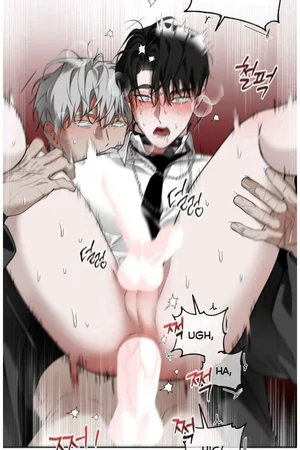
My Doll Diary – Main Plot and Review
Unveiling the Dark Allure: A Deep Dive Review of "My Doll Diary" Manhwa – Explore its 18+ psychological depths, drama, and intense BoyLove.
|||
# Unmasking the Obsession: A Deep Dive into the Psychological and Artistic Brilliance of "My Doll Diary" Manhwa
Greetings, discerning readers and fellow aficionados of the graphic narrative. As the Lead Comic Critic here at JellyComics, it is my distinct privilege to guide you through the intricate, often unsettling, yet undeniably captivating world of *My Doll Diary*. This isn't merely a casual read; it's an experience, a plunge into the depths of human psyche, power dynamics, and the treacherous landscape of love found amidst coercion. *My Doll Diary* has swiftly carved its niche within the intensely competitive realm of **manhwa**, particularly resonating with fans of the **18+ Đam Mỹ** genre, delivering a potent blend of **BoyLove** that is as **Hài Hước** (humorous) as it is steeped in **Drama** and **Kịch Tính** (suspense/tension). Prepare yourselves, for we are about to meticulously dissect every sinew and shade of this monumental work.
## Introduction: The Phenomenon of My Doll Diary and Its Undeniable Impact
In an era saturated with digital comics, where new narratives emerge with breathtaking frequency, it takes something truly exceptional to capture and hold the collective imagination of readers worldwide. *My Doll Diary* has done precisely that, ascending to the pantheon of must-read **BL manga** and **manhwa** through its bold storytelling, provocative themes, and unparalleled artistic execution. From the moment the first chapter dropped, a palpable buzz rippled through the online comic communities, with enthusiasts flocking to witness the unfolding saga of idol Kang Beom and the enigmatic Song Ui-geon. The creators, the acclaimed Meowtime Team, have meticulously crafted a narrative that transcends typical genre tropes, instead offering a nuanced exploration of consent, trauma, power imbalance, and the complex evolution of human connection.
What distinguishes *My Doll Diary* isn't just its adherence to the core tenets of **Yaoi** or **BoyLove**; it's the audacious way it challenges them, pushing boundaries and forcing readers to confront uncomfortable truths about attraction and obsession. The series dives headfirst into mature themes, explicitly earning its **18+** rating, yet it does so with a narrative sophistication that prevents it from descending into mere titillation. Instead, the mature content serves to amplify the psychological stakes, making the emotional and physical vulnerabilities of its characters starkly real. The LSI keywords associated with this title – **Đam Mỹ**, **Truyện Màu**, **BoyLove**, **Yaoi**, **Hài Hước**, **Drama**, **Kịch Tính**, **Lãng Mạn**, **Tình Cảm** – are not just descriptors; they are a roadmap to the multifaceted journey awaiting anyone brave enough to pick up this **manhwa**.
The widespread appeal of *My Doll Diary* lies in its ability to marry dark, psychological undertones with moments of genuine emotional resonance and even unexpected levity. It’s a tightrope walk that few series manage to execute with such finesse. The initial premise, detailing the forced entanglement between a rising idol and a mysterious, domineering figure, immediately hooks the reader, promising a narrative fraught with tension and moral ambiguity. But what begins as a story of pure coercion subtly transforms, or perhaps, mutates, into something far more intricate, something that defies easy categorization. It forces us to ask difficult questions about agency, manipulation, and whether true connection can blossom from the most corrupted of soils. This foundational intrigue, combined with the exceptional artistic quality that makes every panel a visual feast, firmly establishes *My Doll Diary* as a cornerstone of contemporary **BL manhwa**. Its impact is undeniable, shaping discussions and setting new benchmarks for storytelling within the genre.
## In-Depth Plot Analysis & World Building of My Doll Diary
The narrative of *My Doll Diary* is a masterclass in controlled chaos, meticulously unfolding a story where the lines between victim and captor, hate and desire, are constantly blurred. At its core, the plot centers around Kang Beom, an idol whose star is rapidly ascending in the cutthroat Korean entertainment industry. Beom is portrayed as a meticulously crafted public persona: charismatic, talented, and seemingly aloof, cultivating an image of detached professionalism and perhaps even a subtle "difficulty" (thụ khó ở) that only adds to his mystique. His sexual orientation, or rather, his apparent disinterest in romance, sets him apart, making him an anomaly in a world often defined by manufactured relationships and scandalous rumors. This initial characterization is crucial, establishing a sense of control and self-possession that is about to be violently shattered.
The inciting incident is both abrupt and devastating: Beom, in the seemingly mundane setting of a waiting room, drinks a spiked beverage and succumbs to an induced sleep. His awakening thrusts him into a horrifying reality where he is being coerced by a large, unfamiliar man. This is our introduction to Song Ui-geon, a character immediately defined by his oppressive presence and predatory actions. Ui-geon is the epitome of the "công bí ẩn mặt dày rác rưởi" (arrogant, mysterious, trashy seme) archetype, possessing an undeniable power and a chilling lack of remorse that immediately establishes him as a formidable antagonist. He leverages the incident, transforming it from a singular act into a continuous blackmail scheme, gradually making "unreasonable demands" that chip away at Beom's autonomy and sanity.
The world-building, while not fantastical, is deeply rooted in the gritty realism of the Korean entertainment industry. The Meowtime Team meticulously portrays the glittering facade of idol life – the demanding schedules, the fervent fanbases, the omnipresent media scrutiny, and the constant pressure to maintain an impeccable public image. This backdrop intensifies Beom's predicament; his every move is under a microscope, making any hint of his forced entanglement a career-ending disaster. The contrast between his public image of cool composure and his private terror and humiliation creates a profound sense of dramatic irony and suspense. The narrative cleverly uses this industry setting to heighten the stakes, demonstrating how Beom's identity, livelihood, and very freedom are inextricably linked to keeping Ui-geon's actions a secret.
As the plot progresses, Ui-geon's demands escalate, moving from mere threats to a more insidious form of control that slowly infiltrates every aspect of Beom's life. He doesn't just want Beom's body; he seems intent on unraveling his carefully constructed personality, on breaking him down to rebuild him in his own image, or perhaps, to reveal a hidden vulnerability he believes lies beneath the idol's tough exterior. This shift from physical coercion to psychological manipulation marks a pivotal turning point in the story, transforming it from a straightforward revenge fantasy into a complex psychological thriller. The relationship, born of non-consensual acts and sustained through blackmail, begins to mutate in ways that challenge both Beom's and the reader's perceptions of desire, boundaries, and even attachment.
The plot’s pacing is expertly handled, alternating between moments of intense emotional distress and brief, almost deceptive, periods of calm. These lulls often serve to heighten the tension, allowing the reader to breathe before the next wave of Ui-geon's demands or the next confrontation. Flashbacks, strategically placed, offer tantalizing glimpses into Ui-geon's past or Beom's life prior to the incident, enriching their characterizations and hinting at deeper motivations or vulnerabilities that might explain their present dynamic. The gradual revelation of Ui-geon’s backstory, for instance, starts to layer complexity onto his initially purely villainous portrayal, although it never fully excuses his abhorrent actions.
Furthermore, the introduction of secondary characters, such as fellow idols, agency staff, or even peripheral figures in Ui-geon’s life, expands the narrative scope. These characters serve multiple purposes: some act as potential allies or threats to Beom, others as foils to Ui-geon, and some simply provide external pressure that further complicates the protagonists' volatile relationship. Their interactions often reveal more about Beom’s precarious position in the industry and the psychological toll his secret life is taking on him. The plot of *My Doll Diary* is not a simple linear progression; it's a spiraling descent into a morally gray area, where questions of consent, agency, and the nature of perverse attraction are constantly foregrounded. It delves into the potential for attachment to form under duress, the struggle for self-preservation, and the insidious ways power can corrupt and transform relationships. The Meowtime Team doesn't shy away from depicting the ugliness of the situation, yet they also hint at the profound emotional changes that can occur even in the most toxic environments, keeping readers relentlessly engaged and craving the next chapter of this compelling **Drama** and **Kịch Tính** fueled narrative.
## Comprehensive Character Study in My Doll Diary
The heart of *My Doll Diary*'s enduring appeal lies in its meticulously crafted characters, whose psychological complexities and tumultuous development anchor the narrative's often disturbing themes. The Meowtime Team has invested heavily in creating protagonists who feel incredibly real, flawed, and profoundly impacted by their circumstances, making their journey a visceral experience for the reader.
### Protagonist Analysis: Kang Beom
Kang Beom, initially presented as the epitome of the "thụ mỹ nam" (beautiful uke) and "thụ khó ở" (difficult/aloof uke), is far more than a simple archetype. He is a multi-layered individual whose carefully constructed persona crumbles under the weight of trauma and coercion. Before the incident, Beom embodies success and self-control. As a top idol, his public image is polished, his talent undeniable, and his personal life seemingly pristine, marked by an apparent disinterest in romantic entanglements. This "asexual" or "uninterested" quality makes his violation all the more impactful, as it directly attacks his self-perception and personal boundaries.
The immediate aftermath of the initial non-consensual act sees Beom grappling with profound trauma. His psyche is a battleground of conflicting emotions: intense anger, humiliation, fear, and a burning desire for retribution. He attempts to reclaim agency through defiance, verbally lashing out and physically resisting Ui-geon whenever possible. However, the sheer power imbalance and the constant threat of exposure gradually chip away at his resolve. His public face remains stoic and professional, a testament to his idol training, but internally, he is a maelstrom of despair and confusion. The contrast between his public composure and private agony is a recurring motif, highlighting the psychological toll of living a dual life.
As the story progresses, Beom's growth arc is painfully gradual and deeply complex. He is forced into uncomfortable situations, experiencing emotional manipulation and physical intimacy that challenges his very understanding of himself and his sexuality. The narrative carefully explores the psychological effects of Stockholm Syndrome, or at least a similar complex dynamic, where Beom starts to develop a perverse form of dependence or even a distorted attraction towards his oppressor. This isn't portrayed as romantic; it's a coping mechanism, a survival strategy, and a deeply unsettling emotional evolution that the Meowtime Team handles with unflinching realism. We witness his internal monologues, his desperate attempts to rationalize, his moments of weakness where he almost succumbs, and his sudden flashes of defiance that remind us of the person he once was. His journey is one of struggling to redefine his identity in the face of profound violation, searching for agency where there seems to be none, and navigating the treacherous waters of his own emerging, conflicting desires. His resilience, even in his moments of utter despair, is what truly makes him a compelling protagonist.
### Antagonist/Side Character Analysis: Song Ui-geon
Song Ui-geon is the quintessential "công rác rưởi" (trashy seme) and "công biến thái" (perverted seme), yet his character transcends a simple villainous label. He is a figure shrouded in mystery and possesses an almost unnerving magnetism. His initial actions are unequivocally reprehensible, establishing him as a dangerous and manipulative individual. However, the Meowtime Team subtly layers his character with elements that suggest a deeper, more complex motivation beyond pure sadism.
Ui-geon's power is not just physical; it's psychological and systemic. He seems to have connections and resources that allow him to operate with impunity, effectively trapping Beom. His control extends beyond physical demands; he systematically breaks down Beom's emotional defenses, pushing his boundaries, and challenging his perception of himself. There's a possessiveness that borders on obsession, a desire not just to dominate, but to truly possess Beom, body and soul. His actions are often cruel and calculating, yet there are fleeting moments – a subtle gaze, a non-verbal gesture, a nuanced tone of voice – that hint at a perverse form of affection, or at least a deeply ingrained need for connection, however twisted.
The narrative gradually peels back layers of Ui-geon's past, revealing glimpses of potential trauma or formative experiences that might have shaped his current personality and modus operandi. These revelations don't excuse his actions, but they do offer a more comprehensive, albeit still disturbing, understanding of his character. He is not a one-dimensional monster; he is a product of his circumstances, albeit one who has chosen a path of extreme control and manipulation. His intelligence and cunning are undeniable, making him a formidable antagonist whose next move is always unpredictable, contributing significantly to the **Kịch Tính** of the series.
Beyond the central duo, side characters, though often secondary, play crucial roles in fleshing out the world and challenging the protagonists. Beom's fellow idols or agency staff might unknowingly provide moments of respite, or conversely, unwittingly exacerbate his anxieties by increasing the risk of exposure. These characters serve as a mirror, reflecting Beom's outwardly normal life, and contrasting it with the horrifying reality he endures privately. For Ui-geon, any peripheral figures in his life might offer clues to his background or shed light on the source of his power and influence, adding further depth to the unfolding mystery surrounding him. The way these characters interact, even minimally, helps to ground the narrative in a believable social context, despite the extraordinary nature of the central relationship.
### Relationship Dynamics (Chemistry): The Volatile Core of My Doll Diary
The relationship between Kang Beom and Song Ui-geon is arguably the most captivating and disturbing aspect of *My Doll Diary*. It is a relationship born of violence and maintained through power, yet it slowly, irrevocably, twists into something that defies easy categorization. The initial dynamic is clear: oppressor and oppressed, captor and captive. Ui-geon exerts absolute control, and Beom is forced into submission, his every act of defiance met with further escalation.
However, the Meowtime Team is adept at depicting the psychological complexities that arise from such an extreme power imbalance. Over time, moments of unexpected tenderness, ambiguous gestures, or even shared vulnerability begin to emerge, blurring the stark lines. These aren't necessarily indicators of healthy romantic development; rather, they are manifestations of a deeply pathological connection. Beom's initial hatred slowly becomes tinged with fear, then dependence, and eventually, a confusing, unwilling attraction. This isn't about traditional **Lãng Mạn** (romance) or **Tình Cảm** (affection); it’s about survival, adaptation, and the terrifying elasticity of the human heart in extreme circumstances.
The chemistry between them, though undeniably toxic, is intensely palpable. The tension is thick, whether it's in their verbal sparring, their desperate physical struggles, or the silent, charged atmosphere between them. Ui-geon, despite his cruelty, exhibits a possessiveness that, from his perspective, might be interpreted as a perverse form of care or attachment. He doesn't want to simply break Beom; he wants to integrate him into his life, to make him his "doll." Beom, in turn, finds himself increasingly drawn into Ui-geon's orbit, even as he fights against it. The push and pull, the shifting dynamics of power, and the constant battle of wills form the emotional bedrock of the series.
The Meowtime Team skillfully navigates the difficult terrain of depicting non-consensual acts and their aftermath without glorifying them. Instead, they focus on the psychological reverberations, the moral ambiguities, and the slow, arduous process of Beom's adaptation and internal struggle. The relationship is a microcosm of psychological warfare, where each interaction peels back more layers of trauma and desire, ultimately crafting a deeply unsettling yet utterly compelling portrayal of a connection forged in the crucible of darkness. It forces readers to confront uncomfortable questions about the nature of consent, the impact of trauma, and the blurred lines of human connection when power is brutally unbalanced, solidifying *My Doll Diary*'s place as a potent work of **18+ Đam Mỹ**.
## Artistic Review: The Visual Mastery of My Doll Diary
The Meowtime Team's artistic direction in *My Doll Diary* is nothing short of exceptional, transforming the narrative from a compelling story into an immersive visual experience. The designation "Truyện Màu" (Colored Comic) barely scratches the surface of the meticulous color work, dynamic line art, and expressive character designs that define this **manhwa**. Every panel is a testament to the artists' skill, contributing significantly to the atmosphere, character depth, and overall emotional impact of the series.
Let's begin with the **line work**. It is consistently clean, precise, and highly dynamic, serving as the backbone of the visual narrative. Characters are rendered with sharp, defined outlines that give them a striking presence on the page. In moments of intense emotion or action, the lines become more agitated, conveying a sense of urgency and raw energy. Conversely, for scenes of quiet intimacy or vulnerability, the lines soften, creating a more delicate and nuanced aesthetic. The artists utilize varying line weights expertly; heavier lines often define crucial facial features or body contours, drawing the reader's eye, while finer lines are used for intricate details like strands of hair, delicate fabric textures on idol costumes, or subtle shifts in facial muscles that betray underlying emotions. This precision in line work is particularly evident in the character's eyes, which are incredibly expressive, capable of conveying a spectrum of emotions from fiery defiance to crushing despair, making Beom’s internal struggles powerfully tangible.
The **color palette** is another standout feature, crucial for any **Truyện Màu**. *My Doll Diary* employs a rich and diverse range of colors, carefully selected to enhance the narrative's mood and themes. For the glamorous world of idol life, vibrant, often pastel or neon hues are used, reflecting the dazzling but superficial facade Beom presents to the public. These bright colors contrast starkly with the often muted, darker, and more somber tones used in private, more intimate, or tense scenes between Beom and Ui-geon. Deep blues, purples, and grays create an oppressive and claustrophobic atmosphere, perfectly mirroring Beom's psychological state. The use of warm reds and oranges is often reserved for moments of intense passion or anger, infusing these panels with a raw, visceral energy. The careful application of shadows and highlights, particularly in these darker scenes, not only adds depth and realism but also emphasizes the chiaroscuro effect, heightening the drama and **Kịch Tính**.
**Shading** techniques employed are diverse and sophisticated. Soft gradients are frequently used to create a sense of realism and volume in skin tones and clothing, making the characters appear three-dimensional. Cross-hatching and sharper, more angular shadows are deployed in moments of psychological distress or physical threat, adding a gritty, tense texture to the visuals. The play of light and shadow is masterfully used to convey emotion and atmosphere. A character's face half-obscured by shadow can suggest hidden motives or internal conflict, while a stark spotlight can emphasize vulnerability. The detailed shading on fabrics, particularly Beom's elaborate stage outfits or simple casual wear, adds a layer of tactile realism, making the world feel tangible.
**Paneling and composition** are crucial for guiding the reader and controlling the narrative pace. The Meowtime Team demonstrates an acute understanding of visual storytelling through their panel layouts. Dynamic layouts with varying panel sizes and irregular borders are used during action sequences or intense emotional confrontations, creating a sense of rapid movement and fragmented reality. Conversely, symmetrical and larger panels are often utilized for moments of calm, introspection, or to emphasize a significant facial expression, allowing the reader to linger on the visual details. Close-ups are frequently employed to highlight emotional nuances, focusing intensely on eyes, lips, or trembling hands, drawing the reader directly into the characters' internal worlds. Wider shots establish the setting, be it a crowded concert hall or a lavish but oppressive private residence, effectively building the distinct environments of **My Doll Diary**.
**Character design** is another area where *My Doll Diary* shines. Kang Beom is rendered with an ethereal beauty, sharp features, delicate bone structure, and eyes that betray both intelligence and a deep well of pain. His appearance perfectly embodies the "thụ mỹ nam" tag, making his violation all the more poignant. Ui-geon, in contrast, possesses a more rugged, imposing physique, with sharp, dominant features that convey his powerful and often intimidating presence. Their contrasting designs not only make them visually distinct but also metaphorically represent the clash of their personalities and power dynamics. Even subtle elements, like Beom's changing hairstyles or Ui-geon's varied expressions, contribute to their evolving characterizations. The Meowtime Team's mastery over these artistic elements makes *My Doll Diary* not just a story to be read, but a visual spectacle to be experienced, elevating its already powerful narrative to a higher plane of artistic achievement within the **BL manhwa** genre.
## Why My Doll Diary Stands Out: A Comparative Analysis
In a landscape teeming with **BL manga** and **manhwa**, *My Doll Diary* distinguishes itself through its unflinching approach to challenging themes, its sophisticated psychological depth, and its unparalleled artistic execution. While many series venture into the territory of power dynamics and non-consensual elements, *My Doll Diary* sets itself apart by refusing to romanticize or simplify the complex emotional and psychological fallout, establishing itself as a nuanced entry in the **18+ Đam Mỹ** genre.
Consider its thematic exploration compared to other genre giants. Titles like "Killing Stalking" delve into extreme psychological horror and unhealthy obsession, pushing boundaries of morality and depicting truly depraved characters. While *My Doll Diary* shares elements of psychological manipulation and a morally ambiguous dominant figure, it differs significantly in its tone and the protagonist's eventual arc. Kang Beom, despite his trauma, retains a core of humanity and a persistent, albeit challenged, sense of self, unlike Yoon Bum's complete subjugation. *My Doll Diary* operates in a less nihilistic space, allowing for glimmers of emotional complexity and character evolution that hint at a more intricate relationship dynamic beyond pure sadism, even if still deeply unsettling. It's less about the grotesque and more about the insidious nature of control and the human capacity for adaptation.
Compared to other industry-focused **Yaoi** series, such as those that explore the cutthroat world of idols or actors (e.g., "Love Stage!!," though much lighter, or more dramatic ones like "The Killer's Plaything"), *My Doll Diary* grounds its narrative in a grittier realism regarding the vulnerabilities of public figures. The omnipresent threat of scandal, the pressure to maintain an image, and the precariousness of an idol's career are not just background elements; they are integral to Beom's imprisonment and the mounting **Drama**. This makes Beom's predicament particularly poignant, as his entire identity and livelihood are held hostage, a deeper layer of vulnerability than often explored.
Furthermore, the Meowtime Team's storytelling style in *My Doll Diary* is more akin to sophisticated psychological thrillers than typical romance narratives. While it undoubtedly falls under **BoyLove** and **Lãng Mạn** (in its twisted form), the emphasis is less on idyllic courtship and more on the intricate dance of manipulation, resistance, and the blurring of emotional boundaries. This intensity and focus on internal conflict give it a unique flavor that distinguishes it from more conventional **Tình Cảm** stories. The consistent high quality of the "Truyện Màu" artwork also elevates it above many competitors, where artistic consistency can sometimes waver. Every panel in *My Doll Diary* is treated with meticulous care, adding layers of depth and atmosphere that few other series manage to maintain.
In essence, *My Doll Diary* stands out because it takes common **BL manga** tropes – the powerful seme, the beautiful uke, the entertainment industry setting – and infuses them with a raw, psychological intensity and moral ambiguity that forces readers to engage on a deeper, more uncomfortable level. It’s a series that doesn’t offer easy answers or simple resolutions, but rather delves into the complex, often dark, corners of human connection and power. This makes it a standout work, challenging its audience while delivering a masterclass in both narrative and visual storytelling within the **Đam Mỹ** and **BL manhwa** genres.
## FAQ: Everything You Need to Know about My Doll Diary
### H3: What makes My Doll Diary an 18+ Manhwa, and what themes does it explore?
*My Doll Diary* is classified as an **18+ manhwa** due to its explicit depiction of sexual content, mature themes, and psychological violence. It delves into themes of non-consensual acts, power imbalance, psychological manipulation, trauma, obsession, Stockholm Syndrome-like dynamics, and the complexities of consent. While it explores sexual intimacy, it does so within the context of a highly problematic and coerced relationship, focusing on the protagonist's psychological struggle and the evolution of a toxic bond. It is not recommended for readers sensitive to such themes.
### H3: Who are the main characters of My Doll Diary, and what are their initial roles?
The two main characters of *My Doll Diary* are Kang Beom and Song Ui-geon. Kang Beom is a rising idol in the K-pop industry, known for his talent, charisma, and somewhat aloof personality (thụ khó ở). He initially maintains a strict boundary regarding personal relationships. Song Ui-geon is a mysterious, powerful, and ruthless individual (công bí ẩn mặt dày rác rưởi, công biến thái) who initiates the forced relationship with Beom through coercion and blackmail. Their initial roles are that of unwilling victim and relentless oppressor, respectively, setting the stage for a deeply complex and intense dynamic.
### H3: How does My Doll Diary handle the entertainment industry setting?
The entertainment industry setting in *My Doll Diary* is not merely a backdrop; it's an integral part of the plot's tension and Beom's predicament. The series meticulously portrays the demanding schedule, public scrutiny, fan culture, and the constant pressure on idols to maintain a pristine image. This environment amplifies Beom's vulnerability, as any exposure of his secret relationship with Ui-geon would lead to career ruin and public disgrace, thereby tightening Ui-geon's grip over him. It adds a layer of realistic **Drama** and **Kịch Tính** to the narrative.
### H3: What type of relationship development can readers expect in My Doll Diary?
Readers should expect a highly unconventional and psychologically complex relationship development in *My Doll Diary*. It begins with a stark power imbalance and coercion. Over time, the relationship evolves from pure antagonism and forced compliance into a more ambiguous and disturbing attachment. This development explores themes of emotional manipulation, unwilling attraction, and the psychological impact of trauma, blurring the lines between hate, dependence, and a perverse form of intimacy. It is a slow burn of psychological warfare and emotional entanglement, rather than a traditional **Lãng Mạn** or **Tình Cảm** romance.
### H3: Why is My Doll Diary considered a must-read for fans of BL manhwa?
*My Doll Diary* is a must-read for fans of **BL manhwa** because it pushes the boundaries of the genre with its deep psychological exploration, unflinching portrayal of challenging themes, and exquisite **Truyện Màu** artwork by the Meowtime Team. It offers a nuanced character study of both its protagonists, particularly Kang Beom's struggle with trauma and evolving identity. Its intense **Drama** and **Kịch Tính**, combined with unexpected moments of dark **Hài Hước** and profound emotional conflict, make it a uniquely captivating and memorable experience that stimulates discussion and leaves a lasting impression, distinguishing it within the broader landscape of **BoyLove** comics.
## Final Verdict: Why You Must Read My Doll Diary at JellyComics
As a Lead Comic Critic, I rarely encounter a work that so masterfully balances profound psychological depth with such breathtaking artistic execution. *My Doll Diary* is not merely a **manhwa**; it is a meticulously crafted narrative experience that demands your attention, your introspection, and ultimately, your emotional investment. It’s a testament to the Meowtime Team's storytelling prowess, pushing the boundaries of what the **18+ Đam Mỹ** and **BoyLove** genres can achieve.
From the chilling intensity of its core premise to the microscopic detail in its visual storytelling, *My Doll Diary* consistently delivers. We've dissected Kang Beom's heartbreaking journey from an aloof idol to a psychologically embattled individual, grappling with trauma and the insidious nature of control. We’ve explored Song Ui-geon's multifaceted antagonist, a figure whose initial villainy slowly reveals layers of disturbing complexity. The intricate dance of their relationship, evolving from violent coercion to a perplexing, undeniable bond, is a narrative tightrope walk executed with unparalleled finesse, making every interaction crackle with **Kịch Tính** and emotional weight.
The vibrant **Truyện Màu** artwork is not just aesthetically pleasing; it is integral to the narrative's success. The precise line work, the evocative color palettes, and the masterful use of shading and paneling combine to create a visually immersive world that amplifies every emotional tremor and dramatic confrontation. This is a series that uses its visual language to speak volumes, enhancing the already potent **Drama** and contributing to its status as a standout **BL manga**.
*My Doll Diary* distinguishes itself by daring to delve into the darker, more uncomfortable corners of human desire and power dynamics without resorting to cheap sensationalism. It challenges readers to think, to question, and to empathize with characters in morally ambiguous situations. It’s a significant piece of work that elevates the genre, proving that **Yaoi** and **Đam Mỹ** can be more than just romance; they can be profound psychological studies.
If you are a discerning reader seeking a story that will challenge your perceptions, immerse you in intense **Drama**, and captivate you with stunning visuals, then *My Doll Diary* is an absolute imperative. There are few series that offer such a comprehensive and impactful experience. Dive into the world of Kang Beom and Song Ui-geon, experience the masterful storytelling of the Meowtime Team, and discover why this **manhwa** has become a phenomenon. Read *My Doll Diary* today at JellyComics and prepare for a deep dive into obsession that you won't soon forget.
Frequently Asked Questions about My Doll Diary
What genre is My Doll Diary? Generally, My Doll Diary falls under the various genres category, featuring a storyline focused on character emotions and engaging plot twists.
Why should you read My Doll Diary? If you enjoy stories with emotional depth, well-developed characters, and unexpected turns, My Doll Diary is definitely a great choice.
Who is My Doll Diary suitable for? Depending on the specific arc, My Doll Diary can be suitable for both newcomers and long-time fans of this genre.
If you love My Doll Diary, don’t forget to check out similar series at Boylove.
To explore more reviews and perspectives on My Doll Diary, you can refer to https://jellycomics.com/nhom-dich/jellycomics/.
Jelly Comics (JC) là trang web truyện tranh hàng đầu dành cho những người đam mê truyện tranh. Với một bộ sưu tập đa dạng và phong phú, trang web đem đến cho bạn những giờ phút giải trí tuyệt vời và một trải nghiệm truyện tranh hoàn toàn miễn phí. Nếu bạn là một fan hâm mộ truyện tranh, hãy đến với JC để khám phá thế giới truyện tranh không giới hạn!Hãy truy cập vào Jelly Comics ngay hôm nay để khám phá thế giới truyện tranh đa dạng và thú vị. Là điểm đến lý tưởng cho những bạn đam mê truyện tranh và muốn khám phá thế giới đa dạng và thú vị của truyện tranh miễn phí. Thế giới truyện tranh đang chờ bạn khám phá!
Chapter 8 Thẩm Du
Chapter 7 H
Chapter 6 H+++++
Chapter 5 H++
Chapter 4 H
Chapter 3
Chapter 2 H++
Chapter 1 H++
Chapter 0


