- Tên khác: Eight Precepts, Bát Trai Giới, 八斎戒
- Tác giả: Dammei BL
- Nhóm Dịch: Jellycomics ©
- Thể loại: Cổ Đại, Hành Động, JELLYCOMICS ©, Kịch Tính, Manhwa, RAW, Truyện Màu
- Thẻ: action drama manhwa, BL webtoon, Dammei BL, emotional epic, historical BL, Korean BL, Manhwa, PALJAE
- Trạng thái: OnGoing
- Ngày thêm: 04/01/2026
- Tổng lượt xem: 151
PALJAE by author Dammei BL is a manga series that has garnered significant attention. The following article provides a detailed overview of the plot, setting, and why PALJAE is worth adding to your reading list.
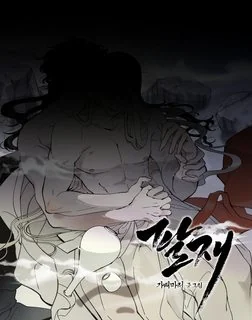
PALJAE – Main Plot and Review
PALJAE: A Manhwa deep dive into emotion, memory, and an epic journey. Experience action, drama, and Dammei BL in this stunning Truyện Màu.
|||
# Beyond the Chill: A Deep Dive into the Heart-Wrenching Saga and Exquisite Artistry of PALJAE Manhwa
## Introduction: The Phenomenon of PALJAE
In the ever-expanding universe of digital comics, certain titles emerge not just as stories but as profound experiences. Such is the case with **PALJAE**, a groundbreaking Manhwa that has captivated readers worldwide. It seamlessly weaves together threads of intense Hành Động, gripping Kịch Tính, and an evocative Cổ Đại setting, all underscored by a deeply resonant Dammei BL narrative. This isn't merely another entry into the genre; it's a meticulously crafted tapestry of emotion, memory, and epic discovery.
From its very first panels, **PALJAE** asserts itself with a unique voice and an undeniably compelling premise. We are introduced to a world steeped in ancient mystique, where the boundaries between life and oblivion seem to blur. The initial encounter between the enigmatic Taoist, Mun Ryeong, and the ostensibly emotionless child of winter, Pal Jae, sets the stage for a journey unlike any other. This meeting, shrouded in the ominous aura of a "biển chết" (sea of death), immediately signals the profound depths this story intends to explore.
What truly distinguishes **PALJAE** is its audacious blend of genres. It doesn't shy away from brutal action sequences or heart-stopping dramatic tension, yet it prioritizes the nuanced emotional development of its core characters. The beautiful Truyện Màu (colored comic) format elevates the narrative, transforming each page into a visual feast that underscores the melancholic beauty and stark realities of its ancient world. Readers are drawn into a narrative that promises not just adventure, but a deep exploration of what it means to be human, to feel, and to remember.
The initial synopsis, hinting at a peaceful three-year cohabitation shattered by Pal Jae's encounter with the warmth of an island, creates an immediate intrigue. This fragile peace is disrupted, pushing the characters towards an arduous journey to the North. More than just a physical quest, this voyage becomes a crucible for Pal Jae to learn the very essence of emotion. The tantalizing suggestion that their current encounter might not be their first, and that a forgotten past slowly unfolds, adds layers of mystery and fate to an already rich narrative. **PALJAE** positions itself as a must-read for anyone seeking a story that combines breathtaking visuals with a meticulously constructed emotional core, firmly establishing its place as a cornerstone of modern Manhwa storytelling. It's a testament to the power of narrative that can transcend typical genre classifications, offering something truly special to a diverse audience looking for both thrilling action and profound character development within a romantic, ancient setting.
## In-Depth Plot Analysis & World Building of PALJAE
The narrative of **PALJAE** unfurls with the delicate precision of a master calligrapher, each stroke adding depth and meaning to a sprawling canvas. At its core lies the foundational encounter: Mun Ryeong, a Taoist whose past is as clouded as his present, discovers Pal Jae amidst the desolate "biển chết," a place synonymous with oblivion. This meeting is not arbitrary; it's the genesis of a connection that transcends circumstance and eventually, memory itself. The immediate setting establishes a tone of profound isolation and a hint of supernatural intervention, key elements that permeate the entire **PALJAE** experience.
Their initial bond forges in a crucible of silence and shared solitude. For three years, they inhabit an unnamed island, a sanctuary of sorts, where life seemingly unfolds in tranquil rhythm. This period of "chung sống êm đềm" is crucial for establishing the subtle undercurrents of their relationship. Mun Ryeong acts as a quiet guardian, his actions speaking louder than words, while Pal Jae, initially "đứa nhóc mùa đông vô cảm," exists as a blank slate, devoid of the emotional complexities that define human experience. The island’s "sự ôn hậu" (gentle warmth) is not merely a setting detail; it's a narrative catalyst. This warmth, in its subtle permeation, begins to chip away at Pal Jae's emotional imperviousness, acting as an unexpected antagonist. It is the very softness of life that wounds him, revealing a vulnerability previously unfelt and perhaps, deeply unsettling.
This emotional awakening is not a gentle unfurling; it’s depicted as a "đánh gục" (strike down), implying a painful, overwhelming force. Pal Jae's newfound, albeit chaotic, emotions throw their serene existence into disarray. Mun Ryeong, demonstrating his deep commitment and protective instincts, makes a pivotal decision: a journey to the formidable North. This isn't just a change of scenery; it's a symbolic and literal quest for understanding and healing. The North, often associated with harshness and challenge in lore, represents the arduous path Pal Jae must take to integrate his burgeoning emotions. The very fabric of the world of **PALJAE** expands dramatically as they leave their island haven. The "Cổ Đại" setting comes alive not just through aesthetic, but through the implied political landscapes, diverse cultures, and potential dangers they will encounter on their long trek.
The core objective of this expedition is explicitly stated: Pal Jae must "học cách để có được cảm xúc." This isn’t a simple process of revelation; it's a arduous education in human experience. The narrative meticulously details his struggles – the confusion of joy, the sting of sadness, the heat of anger, the chill of fear. Each emotion is presented as a foreign entity, demanding to be understood and integrated. This internal struggle is mirrored by external challenges, providing ample opportunities for intense "Hành Động" sequences where Pal Jae's developing emotional responses directly influence his reactions and growth. The blend of inner and outer conflict ensures that the "Kịch Tính" remains consistently high, keeping readers on edge not just for plot twists but for the evolution of Pal Jae’s very being.
However, the plot of **PALJAE** contains a deeper, more profound layer: the mystery of their shared past. The ominous phrase "có vẻ như đây không phải là lần đầu tiên hai người gặp nhau" introduces an element of predestination and forgotten history. This revelation isn't delivered abruptly; instead, it is unveiled "từ từ hiện ra trong cuộc hành trình," hinting at fragmented memories, recurring symbols, and perhaps, other characters who hold keys to their prior connection. This past, gradually pieced together through flashbacks, cryptic encounters, and shared dreams, adds a powerful emotional resonance to their current journey. It suggests a bond that transcends this lifetime, hinting at reincarnation, ancient curses, or destiny itself.
The world-building of **PALJAE** is rich and intricate. The "biển chết" itself is a character, a place of profound significance where life and death converge. The journey North takes them through varied landscapes, each with its own unique challenges and inhabitants. We witness the blending of martial arts prowess with spiritual cultivation, typical of "Cổ Đại" fantasy, but with a distinct flavor. The magical elements are often subtle, woven into the environment and the characters' abilities rather than overt displays of power. This nuanced approach contributes to the story's overall authenticity and depth. The lore surrounding the Taoist practices, the mystical creatures they may encounter, and the ancient prophecies hinted at, all contribute to a sense of a vast, lived-in world, meticulously detailed in its Truyện Màu presentation. This intricate plot, designed with compelling character arcs and a layered world, ensures that **PALJAE** is far more than just a surface-level adventure; it's an immersive experience that begs for deeper engagement with every page.
## Comprehensive Character Study
The heart of **PALJAE** beats fiercely through its meticulously crafted characters, whose psychological depths, traumas, and growth arcs form the narrative's core. The development of these individuals, particularly the protagonist, Pal Jae, is what elevates this Manhwa from a simple adventure to a profound emotional journey. Their complex internal lives and evolving relationships are constantly at the forefront, driving the plot and resonating deeply with readers.
### Protagonist Analysis: The Awakening of Pal Jae
Pal Jae begins his story as an enigma: "đứa nhóc mùa đông vô cảm." This description immediately establishes a character profoundly disconnected from the world around him. His existence in the "biển chết" before meeting Mun Ryeong suggests a past marked by isolation, perhaps even trauma so severe that it severed his connection to emotion as a defense mechanism. He is a blank slate, observing the world without internal reaction, a chilling purity that also renders him profoundly vulnerable. This initial state isn't just a character trait; it’s a foundational trauma that needs to be addressed for any growth to occur.
The three years of peaceful coexistence on the island with Mun Ryeong are crucial. During this time, Pal Jae is exposed to a gentle, consistent warmth – not just the physical environment, but the unspoken affection and care from his guardian. This "sự ôn hậu" acts as a slow-acting balm, slowly thawing the frozen landscape of his psyche. However, this thawing isn't portrayed as comfortable. It "đánh gục" him, suggesting that the initial influx of sensation and feeling is overwhelming, painful, and disorienting. Imagine a person who has never felt pain suddenly experiencing a sharp cut; the shock would be immense. For Pal Jae, this is the experience of emotion itself.
His subsequent journey to the North is explicitly a quest to "học cách để có được cảm xúc." This isn't about *finding* emotions; it's about *acquiring* them, painstakingly, one by one, like learning a new language. The Manhwa delves deeply into the psychological turmoil of this process. We see him struggle to identify feelings, to articulate them, and to understand their impact on himself and others. His growth arc is not linear. There are moments of confusion, frustration, and even retreat into his former emotional numbness. He might exhibit a flash of anger, only to be bewildered by its intensity, or feel a pang of sadness he can’t name. This struggle is portrayed with brutal honesty, making his eventual breakthroughs all the more poignant.
Pal Jae's trauma is gradually revealed to be multifaceted. The "biển chết" encounter is just one layer. As the story progresses and hints of their forgotten past surface, we understand that his current emotional void might be a consequence of deeper, more ancient wounds, perhaps inflicted in a previous life or a suppressed memory too painful to recall. This past informs his present character, suggesting a resilience born from enduring unspeakable hardships. His growth isn't just about feeling; it's about confronting these buried traumas, integrating his past and present selves, and ultimately defining who he is as an individual capable of love, sacrifice, and belonging. His journey is a testament to the human (or perhaps, non-human) capacity for profound change and emotional reclamation.
### Antagonist/Side Character Analysis: The Mysterious Mun Ryeong and Supporting Cast
Mun Ryeong is the steady anchor in Pal Jae's tempestuous journey. Introduced as a "đạo sĩ bí ẩn," his very presence radiates an aura of quiet strength and profound knowledge. His initial act of saving Pal Jae from the "biển chết" immediately establishes his compassionate nature. However, his mysterious background suggests that he, too, carries burdens and a history that intertwine with Pal Jae's. He is not merely a rescuer but a mentor, a protector, and eventually, a co-traveler on a shared path of destiny.
Mun Ryeong's decision to embark on the perilous journey to the North for Pal Jae is a testament to his deep affection and unwavering commitment. This choice is born not out of obligation, but out of a genuine desire to see Pal Jae find his true self. His character is defined by his patience, his selflessness, and a quiet determination. He understands Pal Jae's struggles implicitly, often acting as an interpreter for the boy's nascent emotions, guiding him with gentle wisdom rather than force. While seemingly calm and composed, there are glimpses into his inner turmoil, particularly as their shared past begins to surface. This hints at his own suppressed memories and the emotional weight he carries, making him a complex figure rather than a simplistic guardian.
As the journey progresses, **PALJAE** introduces a vibrant cast of side characters, each playing a crucial role in Pal Jae's emotional education and the unfolding mystery. These characters might be transient allies encountered in bustling towns, ancient hermits in secluded temples, or even antagonists whose actions inadvertently push Pal Jae's emotional boundaries. Each interaction serves a purpose: a merchant might teach him about fleeting joy or disappointment, a warrior about courage or fear, a healer about empathy. Their diverse perspectives and experiences provide a rich tapestry against which Pal Jae's own evolving emotions are reflected and tested. While not always protagonists, these figures are integral to expanding the world of **PALJAE** and deepening the emotional impact of the main duo's quest.
### Relationship Dynamics: The Evolving Chemistry of PALJAE
The relationship between Mun Ryeong and Pal Jae is the undeniable emotional core of **PALJAE**, evolving from a silent guardianship into a profound, intricate bond that lies at the heart of its Dammei BL essence. Their chemistry is built on a foundation of unspoken understanding, mutual dependence, and a slowly blossoming affection that transcends conventional labels.
Initially, their dynamic is that of rescuer and rescued, guardian and ward. Mun Ryeong’s care for Pal Jae is paternal and protective, characterized by quiet actions and unwavering presence. Pal Jae, in his "vô cảm" state, responds primarily with a passive acceptance, a nascent trust that is the first seed of connection. This period of "chung sống êm đềm" allows their bond to deepen subtly, forming an emotional baseline from which their journey will diverge. The narrative meticulously shows how even without overt emotional expression from Pal Jae, Mun Ryeong recognizes his needs and dedicates himself to his well-being.
As Pal Jae begins to feel, their relationship undergoes a dramatic transformation. His nascent emotions are often first directed at Mun Ryeong – confusion about Mun Ryeong's absence, nascent anger when Mun Ryeong is threatened, or a profound, unnamed yearning when Mun Ryeong shows tenderness. This makes Mun Ryeong both the catalyst and the primary recipient of Pal Jae's emotional growth. The Dammei BL aspect subtly begins to manifest here, moving beyond mere platonic affection into something more intimate and romantic. The unspoken words, the lingering glances, the heightened protectiveness – these are all carefully rendered to convey a deepening emotional and physical attraction.
The revelation of their forgotten past adds an entirely new dimension to their chemistry. The possibility that "đây không phải là lần đầu tiên hai người gặp nhau" imbues their present connection with a sense of destiny and profound cosmic significance. This shared history, gradually pieced together, explains the intensity of their bond, why Mun Ryeong is so dedicated, and why Pal Jae so readily trusts him. It suggests a love that has endured across lifetimes, making their current reunion and journey a fated endeavor. This past trauma and the promise of a rediscovered love create a compelling tension, pulling them closer even as it presents new challenges.
Their relationship is a delicate dance between tenderness and urgency, quiet moments of intimacy and high-stakes emotional breakthroughs. The chemistry between them is portrayed through meticulous character interactions, from shared silences that speak volumes to intense emotional confrontations. It's a journey of two souls rediscovering each other, healing ancient wounds together, and forging a bond that is both epic in scale and intensely personal in its emotional depth. The Dammei BL elements are integral, not merely a genre tag, but a natural evolution of two interconnected souls navigating a world of danger and rediscovery in **PALJAE**.
## Artistic Review: The Visual Mastery of PALJAE
The visual storytelling in **PALJAE** is nothing short of breathtaking, elevating the narrative with its exquisite Truyện Màu artistry. Every panel is a testament to the creators' meticulous attention to detail, from the nuanced use of color to the dynamic flow of action sequences, creating an immersive "Cổ Đại" world that feels both ancient and vividly alive. The art style isn't just illustrative; it's an integral part of the emotional and narrative experience, capable of conveying profound feelings without a single word.
The **Truyện Màu** aspect is paramount. The color palette of **PALJAE** is a masterclass in mood setting. For instance, the "biển chết" scenes are often rendered in muted, somber blues, grays, and purples, reflecting the cold, desolate nature of the environment and Pal Jae's initial emotional state. In stark contrast, the island scenes shimmer with warmer, softer greens, yellows, and earthy tones, symbolizing the "sự ôn hậu" that begins to awaken Pal Jae’s emotions. As the journey to the North progresses, the colors adapt to the changing landscapes: harsh, bright whites and steely blues for icy terrains, or rich, earthy browns and fiery oranges for forest encounters or sunset vistas. Flashbacks often employ a slightly desaturated or sepia-toned palette, subtly differentiating them from the present narrative and enhancing their dreamlike, fragmented quality. The use of vibrant, saturated colors is reserved for moments of heightened emotion or intense action, making these scenes pop and increasing their dramatic impact.
The **line work** in **PALJAE** is exceptionally precise and versatile. Character outlines are generally clean and crisp, giving figures a sharp definition and a sense of elegance, befitting the "Cổ Đại" aesthetic. However, the lines also possess a remarkable fluidity, particularly in portraying movement during "Hành Động" sequences. Dynamic poses and flowing robes are rendered with graceful, energetic strokes that convey speed and power. Facial expressions are incredibly detailed, with subtle variations in line weight around eyes, lips, and brows conveying a vast spectrum of emotions – a crucial aspect for depicting Pal Jae's gradual emotional awakening. Backgrounds, too, benefit from meticulous line work, etching intricate architectural details, sprawling natural landscapes, and the textures of ancient fabrics and weaponry.
**Shading** techniques employed in **PALJAE** add significant depth and atmosphere. There's a masterful play of light and shadow that not only defines form but also amplifies mood. Soft, gradient shading is often used to create a sense of ethereal beauty or peacefulness, particularly in moments of quiet intimacy or introspection. Conversely, stark, high-contrast shading with sharp shadows is utilized to heighten "Kịch Tính," emphasize danger, or convey emotional intensity. The way light falls on a character's face, highlighting their features, or the ominous shadows cast by ancient ruins, all contribute to a rich, three-dimensional world. This careful application of light and shadow is instrumental in making the visuals so engrossing.
The **panel flow** and layout demonstrate a sophisticated understanding of sequential art storytelling. The creators expertly manipulate panel size and arrangement to control pacing and draw the reader's eye. Wide, sweeping landscape panels establish the grandeur of the "Cổ Đại" world, immersing the reader in the vastness of the journey. Close-up panels meticulously focus on character expressions, amplifying emotional beats and allowing readers to connect deeply with their inner struggles. Action sequences are choreographed with dynamic panel transitions, sometimes breaking traditional grids to convey explosive movement or rapid-fire exchanges. Full-page spreads are used sparingly but effectively, delivering maximum impact during crucial reveals or climactic moments, making these instances truly memorable.
**Character design** is both distinctive and reflective of the "Cổ Đại" setting. Mun Ryeong's design often features flowing robes and an air of quiet dignity, his expressions subtle but deeply expressive. Pal Jae, starting as a figure of serene emptiness, gradually develops more defined facial features and body language that mirror his internal changes. His initial blankness gives way to confusion, then curiosity, and eventually, a spectrum of complex emotions that are clearly readable on his face. The costuming is historically inspired, lending authenticity to the ancient world, yet also unique enough to give characters individual flair.
Finally, the **backgrounds and environmental details** are consistently rich and immersive. From the haunting beauty of the "biển chết" to the intricate architecture of ancient Northern cities, every setting feels thoughtfully constructed. The natural world – forests, mountains, deserts – is rendered with stunning detail, often contributing to the narrative itself by reflecting the characters' internal states or presenting new challenges. The blend of fantastical elements with realistic ancient scenery is seamless, ensuring that the visual world of **PALJAE** is not only beautiful but also believable. This meticulous artistic execution makes **PALJAE** a standout Manhwa, a true visual feast that enriches every aspect of its captivating story.
## Why PALJAE Stands Out: A Comparative Analysis
**PALJAE** carves a distinctive niche within the competitive Manhwa landscape by expertly blending genres and delivering a narrative depth that few others achieve. While drawing inspiration from and sharing elements with other giants, its unique combination of intense "Hành Động," profound "Kịch Tính," rich "Cổ Đại" world-building, and a deeply emotional "Dammei BL" core sets it apart.
When comparing **PALJAE** to other "Hành Động" Manhwa, one might think of the visceral combat and epic scale of titles like *Solo Leveling* or *The Legend of the Northern Blade*. While **PALJAE** certainly delivers on thrilling action sequences and martial arts prowess within its "Cổ Đại" setting, its battles are rarely for power alone. Instead, each confrontation serves a purpose in Pal Jae's emotional awakening or in unveiling the layers of their forgotten past. Unlike the often singular focus on leveling up or revenge found in some action titles, **PALJAE** imbues its action with psychological weight, making every clash a moment of character development rather than just a display of strength.
In terms of "Kịch Tính" and intricate world-building, **PALJAE** shares kinship with Manhwa like *Tower of God* or *Omniscient Reader's Viewpoint*. These stories excel at constructing vast, dangerous worlds with hidden rules and prophecies. **PALJAE** matches this ambition with its "biển chết" lore, the arduous journey to the North, and the gradual reveal of an ancient, intertwined destiny. However, **PALJAE** differentiates itself by placing emotional intimacy and the subjective experience of memory at the very center of its unfolding mysteries. The "Kịch Tính" doesn't just come from external threats but from the internal struggle of its characters to reclaim their identities and understand their profound connection, making the stakes deeply personal.
The "Cổ Đại" setting is beautifully realized in **PALJAE**, reminiscent of the opulent historical fantasy found in titles like *Who Made Me a Princess?* or the classic wuxia aesthetics of some Chinese Donghua like *Heaven Official's Blessing*. **PALJAE** captures the elegance and mystique of an ancient era, but it does so without sacrificing its unique narrative voice. While *Who Made Me a Princess?* focuses more on palace intrigue and family drama, **PALJAE** uses its historical backdrop as a stage for an intimate quest of self-discovery and a fated romance. The blending of specific Taoist mysticism and unique cultural elements gives it an authentic, yet fantastical, ancient Korean flavor.
Where **PALJAE** truly excels and establishes its distinct identity is in its "Dammei BL" narrative. While there are many popular BL Manhwa like *Semantic Error* or *BJ Alex* focusing on modern romance or specific tropes, **PALJAE** integrates the romantic connection between Mun Ryeong and Pal Jae into the very fabric of its epic fantasy plot. The BL element isn't just a side dish; it is the main course, deeply intertwined with the protagonist's emotional and psychological journey. Their love story is one of healing, rediscovery, and overcoming ancient traumas, making it profoundly moving. It resonates with the epic, fated romance of *Heaven Official's Blessing* (despite being a Chinese BL), where love is a force that transcends time and suffering.
In essence, **PALJAE** stands out because it refuses to be confined. It takes the best elements of "Hành Động" Manhwa, "Kịch Tính" fantasy, and "Cổ Đại" aesthetics, then filters them through a deeply human, exquisitely rendered "Dammei BL" lens. The result is a Manhwa that offers both thrilling adventure and profound emotional resonance, making it a truly unforgettable experience that sets a new standard for genre integration.
## FAQ: Everything You Need to Know about PALJAE
### What genre is PALJAE?
**PALJAE** is a rich blend of multiple genres, primarily characterized as a "Manhwa" (Korean comic). It features strong elements of "Hành Động" (Action), "Kịch Tính" (Drama/Thriller), "Cổ Đại" (Historical/Ancient setting), and a central "Dammei BL" (Boys' Love) romantic narrative. It also incorporates elements of fantasy and mystery.
### Is PALJAE a standalone story?
While **PALJAE** tells a comprehensive and evolving story, its intricate plot, particularly concerning the characters' forgotten past and overarching destiny, suggests it is part of a larger, serialized narrative that is best experienced in its entirety. As of now, it's an ongoing journey with many layers to uncover.
### Where can I read PALJAE?
You can read the official "Truyện Màu" (colored comic) version of **PALJAE** and support the creators right here at JellyComics. We are committed to bringing you high-quality, legally licensed Manhwa.
### What are the main themes explored in PALJAE?
**PALJAE** deeply explores themes of emotional awakening and recovery from trauma, the power of connection and unconditional love, the unraveling of forgotten memories and past lives, the concept of destiny versus free will, and the arduous journey of self-discovery amidst a challenging world. The contrast between emotional numbness and the overwhelming experience of feeling is central.
### Is PALJAE suitable for new Manhwa readers?
Absolutely! While **PALJAE** delves into complex emotional and narrative territory, its stunning "Truyện Màu" artwork, compelling character arcs, and exciting "Hành Động" sequences make it an accessible and highly engaging entry point for new Manhwa readers. Its unique genre blend offers something for a wide range of interests, making it an excellent introduction to the medium's depth and diversity.
## Final Verdict: Why You Must Read It at JellyComics
As a Lead Comic Critic at JellyComics, I rarely encounter a Manhwa that so profoundly impacts me as **PALJAE** has. This isn't just another comic; it's a meticulously crafted masterpiece that demands your attention and rewards your investment with every turn of its beautifully illustrated pages. From its captivating "Truyện Màu" visuals to its deeply resonant narrative, **PALJAE** transcends expectations, solidifying its place as a truly essential read in the contemporary Manhwa landscape.
The journey of Pal Jae, from an "emotionless child of winter" to an individual grappling with the full spectrum of human feeling, is nothing short of extraordinary. His psychological trauma and subsequent growth arc are handled with a delicate intensity that is both heartbreaking and ultimately, incredibly uplifting. Witnessing his struggle to understand joy, sorrow, and anger, guided by the enigmatic Mun Ryeong, is an experience that stays with you long after you've read the last panel. The nuanced exploration of their developing relationship, steeped in the rich tradition of "Dammei BL," is both tender and electrifying, proving that love can indeed conquer all, even forgotten pasts and the chilling void of emotional numbness.
The world of **PALJAE** itself is a character, a sprawling "Cổ Đại" canvas brought to life with microscopic detail. The "biển chết" setting, the arduous journey to the North, the mystical elements, and the cultural richness are all rendered with an artistic precision that is unparalleled. Each line, every splash of color, and the dynamic panel flow contribute to an immersive experience that pulls you deeper into its "Hành Động" and "Kịch Tính" narrative. You won't just be reading a story; you'll be living it, breathing its ancient air, and feeling the pulse of its profound emotions.
This Manhwa isn't just about what happens; it's about *why* it happens, and how deeply it affects its characters. The mystery of Mun Ryeong and Pal Jae's interconnected past, slowly unfurling like an ancient scroll, adds layers of intrigue and destiny that will keep you guessing and yearning for more. It's a testament to powerful storytelling that seamlessly blends epic fantasy with intimate character drama, creating a truly unique and unforgettable reading experience.
So, if you are searching for a Manhwa that offers breathtaking visuals, heart-pounding "Hành Động," profound "Kịch Tính," and a deeply moving "Dammei BL" romance set in a beautifully realized "Cổ Đại" world, then look no further than **PALJAE**. It's a story that will challenge you, move you, and leave an indelible mark on your heart. Don't miss out on this phenomenal journey. Start reading **PALJAE** today, right here at JellyComics, and discover a masterpiece that defines the pinnacle of modern storytelling. You deserve to experience this profound narrative.
Frequently Asked Questions about PALJAE
What genre is PALJAE? Generally, PALJAE falls under the various genres category, featuring a storyline focused on character emotions and engaging plot twists.
Why should you read PALJAE? If you enjoy stories with emotional depth, well-developed characters, and unexpected turns, PALJAE is definitely a great choice.
Who is PALJAE suitable for? Depending on the specific arc, PALJAE can be suitable for both newcomers and long-time fans of this genre.
If you love PALJAE, don’t forget to check out similar series at Truyện tranh Jellycomics.
To explore more reviews and perspectives on PALJAE, you can refer to https://jellycomics.com/nhom-dich/jellycomics/.
Jelly Comics (JC) là trang web truyện tranh hàng đầu dành cho những người đam mê truyện tranh. Với một bộ sưu tập đa dạng và phong phú, trang web đem đến cho bạn những giờ phút giải trí tuyệt vời và một trải nghiệm truyện tranh hoàn toàn miễn phí. Nếu bạn là một fan hâm mộ truyện tranh, hãy đến với JC để khám phá thế giới truyện tranh không giới hạn!Hãy truy cập vào Jelly Comics ngay hôm nay để khám phá thế giới truyện tranh đa dạng và thú vị. Là điểm đến lý tưởng cho những bạn đam mê truyện tranh và muốn khám phá thế giới đa dạng và thú vị của truyện tranh miễn phí. Thế giới truyện tranh đang chờ bạn khám phá!
Chapter 128
Chapter 127
Chapter 126
Chapter 125
Chapter 124
Chapter 123
Chapter 122
Chapter 121
Chapter 120
Chapter 119
Chapter 118
Chapter 117 HÚP NHAU RRRRR
Chapter 116
Chapter 115
Chapter 114
Chapter 113
Chapter 112
Chapter 111 chụt chụt chụt
Chapter 110
Chapter 109
Chapter 108 KHUM CÓ THỊT
Chapter 107 chụt chụt chụt
Chapter 106.1 THÔNG BÁO QT
Chapter 106
Chapter 105
Chapter 104
Chapter 103
Chapter 102
Chapter 101
Chapter 100
Chapter 99
Chapter 98
Chapter 97
Chapter 96
Chapter 95 tắm chung (16+)
Chapter 94
Chapter 93
Chapter 92
Chapter 91
Chapter 90
Chapter 89
Chapter 88
Chapter 87
Chapter 86 ss3
Chapter 85
Chapter 84
Chapter 83
Chapter 82
Chapter 81
Chapter 80
Chapter 79
Chapter 78
Chapter 77
Chapter 76
Chapter 75
Chapter 74
Chapter 73
Chapter 72
Chapter 71
Chapter 70
Chapter 69
Chapter 68
Chapter 67 sờ sờ
Chapter 66
Chapter 65
Chapter 64
Chapter 63
Chapter 62
Chapter 61
Chapter 60
Chapter 59
Chapter 58
Chapter 57
Chapter 56
Chapter 55
Chapter 54
Chapter 53
Chapter 52
Chapter 51
Chapter 50
Chapter 49
Chapter 48
Chapter 47
Chapter 46
Chapter 45
Chapter 44
Chapter 43.1 THÔNG BÁO
Chapter 43
Chapter 42
Chapter 41
Chapter 40
Chapter 39
Chapter 38
Chapter 37
Chapter 36
Chapter 35
Chapter 34
Chapter 33
Chapter 32
Chapter 31
Chapter 30
Chapter 29
Chapter 28
Chapter 27
Chapter 26
Chapter 25 (Part 9)
Chapter 25 (Part 8)
Chapter 25 (Part 7)
Chapter 25 (Part 6)
Chapter 25 (Part 5)
Chapter 25 (Part 4)
Chapter 25 (Part 3)
Chapter 25 (Part 2)
Chapter 25 (Part 1)
Chapter 24 (Part 6)
Chapter 24 (Part 5)
Chapter 24 (Part 4)
Chapter 24 (Part 3)
Chapter 24 (Part 2)
Chapter 24 (Part 1)
Chapter 23 (Part 7)
Chapter 23 (Part 6)
Chapter 23 (Part 5)
Chapter 23 (Part 4)
Chapter 23 (Part 3)
Chapter 23 (Part 2)
Chapter 23 (Part 1)
Chapter 22 (Part 7)
Chapter 22 (Part 6)
Chapter 22 (Part 5)
Chapter 22 (Part 4)
Chapter 22 (Part 3)
Chapter 22 (Part 2)
Chapter 22 (Part 1)
Chapter 21
Chapter 20 (Part 8)
Chapter 20 (Part 7)
Chapter 20 (Part 6)
Chapter 20 (Part 5)
Chapter 20 (Part 4)
Chapter 20 (Part 3)
Chapter 20 (Part 2)
Chapter 20 (Part 1)
Chapter 19 (Part 7)
Chapter 19 (Part 6)
Chapter 19 (Part 5)
Chapter 19 (Part 4)
Chapter 19 (Part 3)
Chapter 19 (Part 2)
Chapter 19 (Part 1)
Chapter 18 (Part 8)
Chapter 18 (Part 7)
Chapter 18 (Part 6)
Chapter 18 (Part 5)
Chapter 18 (Part 4)
Chapter 18 (Part 3)
Chapter 18 (Part 2)
Chapter 18 (Part 1)
Chapter 17 (Part 9)
Chapter 17 (Part 8)
Chapter 17 (Part 7)
Chapter 17 (Part 6)
Chapter 17 (Part 5)
Chapter 17 (Part 4)
Chapter 17 (Part 3)
Chapter 17 (Part 2)
Chapter 17 (Part 1)
Chapter 16 (Part 9)
Chapter 16 (Part 8)
Chapter 16 (Part 7)
Chapter 16 (Part 6)
Chapter 16 (Part 5)
Chapter 16 (Part 4)
Chapter 16 (Part 3)
Chapter 16 (Part 2)
Chapter 16 (Part 1)
Chapter 15 (Part 8)
Chapter 15 (Part 7)
Chapter 15 (Part 6)
Chapter 15 (Part 5)
Chapter 15 (Part 4)
Chapter 15 (Part 3)
Chapter 15 (Part 2)
Chapter 15 (Part 1)
Chapter 14 (Part 10)
Chapter 14 (Part 9)
Chapter 14 (Part 8)
Chapter 14 (Part 7)
Chapter 14 (Part 6)
Chapter 14 (Part 5)
Chapter 14 (Part 4)
Chapter 14 (Part 3)
Chapter 14 (Part 2)
Chapter 14 (Part 1)
Chapter 13 (Part 8)
Chapter 13 (Part 7)
Chapter 13 (Part 6)
Chapter 13 (Part 5)
Chapter 13 (Part 4)
Chapter 13 (Part 3)
Chapter 13 (Part 2)
Chapter 13 (Part 1)
Chapter 12 (Part 11)
Chapter 12 (Part 10)
Chapter 12 (Part 9)
Chapter 12 (Part 8)
Chapter 12 (Part 7)
Chapter 12 (Part 6)
Chapter 12 (Part 5)
Chapter 12 (Part 4)
Chapter 12 (Part 3)
Chapter 12 (Part 2)
Chapter 12 (Part 1)
Chapter 11 (Part 9)
Chapter 11 (Part 8)
Chapter 11 (Part 7)
Chapter 11 (Part 6)
Chapter 11 (Part 5)
Chapter 11 (Part 4)
Chapter 11 (Part 3)
Chapter 11 (Part 2)
Chapter 11 (Part 1)
Chapter 10 (Part 8)
Chapter 10 (Part 7)
Chapter 10 (Part 6)
Chapter 10 (Part 5)
Chapter 10 (Part 4)
Chapter 10 (Part 3)
Chapter 10 (Part 2)
Chapter 10 (Part 1)
Chapter 9 (Part 9)
Chapter 9 (Part 8)
Chapter 9 (Part 7)
Chapter 9 (Part 6)
Chapter 9 (Part 5)
Chapter 9 (Part 4)
Chapter 9 (Part 3)
Chapter 9 (Part 2)
Chapter 9 (Part 1)
Chapter 8 (Part 8)
Chapter 8 (Part 7)
Chapter 8 (Part 6)
Chapter 8 (Part 5)
Chapter 8 (Part 4)
Chapter 8 (Part 3)
Chapter 8 (Part 2)
Chapter 8 (Part 1)
Chapter 7
Chapter 6 (Part 9)
Chapter 6 (Part 8)
Chapter 6 (Part 7)
Chapter 6 (Part 6)
Chapter 6 (Part 5)
Chapter 6 (Part 4)
Chapter 6 (Part 3)
Chapter 6 (Part 2)
Chapter 6 (Part 1)
Chapter 5 (Part 7)
Chapter 5 (Part 6)
Chapter 5 (Part 5)
Chapter 5 (Part 4)
Chapter 5 (Part 3)
Chapter 5 (Part 2)
Chapter 5 (Part 1)
Chapter 4
Chapter 3 (Part 9)
Chapter 3 (Part 8)
Chapter 3 (Part 7)
Chapter 3 (Part 6)
Chapter 3 (Part 5)
Chapter 3 (Part 4)
Chapter 3 (Part 3)
Chapter 3 (Part 2)
Chapter 3 (Part 1)
Chapter 2 (Part 8)
Chapter 2 (Part 7)
Chapter 2 (Part 6)
Chapter 2 (Part 5)
Chapter 2 (Part 4)
Chapter 2 (Part 3)
Chapter 2 (Part 2)
Chapter 2 (Part 1)
Chapter 1 (Part 8)
Chapter 1 (Part 7)
Chapter 1 (Part 6)
Chapter 1 (Part 5)
Chapter 1 (Part 4)
Chapter 1 (Part 3)
Chapter 1 (Part 2)
Chapter 1 (Part 1)
Chapter 036 thông báo


