- Tên khác: Play Karma, 플레이 카르마, Playing With Karma, Chơi đùa với Nghiệp, カルマを弄ぶ
- Tác giả: Play Karma / 플레이 카르마
- Nhóm Dịch: Jellycomics ©
- Thể loại: Drama, Full Color, JELLYCOMICS ©, Josei(W), Manhwa, Mature, RAW, Revenge, Seinen(M), SM/BDSM/SUB-DOM, Smut, Tragedy, Webtoon
- Thẻ: adult josei manhwa, Ahn Somi, BDSM revenge story, full color webtoon, Josei smut webtoon, Playing With Karma manhwa, psychological romance drama
- Trạng thái: OnGoing
- Ngày thêm: 01/12/2026
- Tổng lượt xem: 111
Playing With Karma belongs to the genre Manhwa,, Manhwa, Webtoon,, Webtoon, Josei(W),, Josei(W), Seinen(M),, Seinen(M), Mature,, Mature, Smut,, Smut, Drama,, Drama, Full Color,, Full Color, Revenge,, Revenge, Romance,, Romance, SM/BDSM/SUB-DOM,, SM/BDSM/SUB-DOM, Tragedy, Tragedy by author Play Karma / 플레이 카르마 is a manga series that has garnered significant attention. The following article provides a detailed overview of the plot, setting, and why Playing With Karma is worth adding to your reading list.
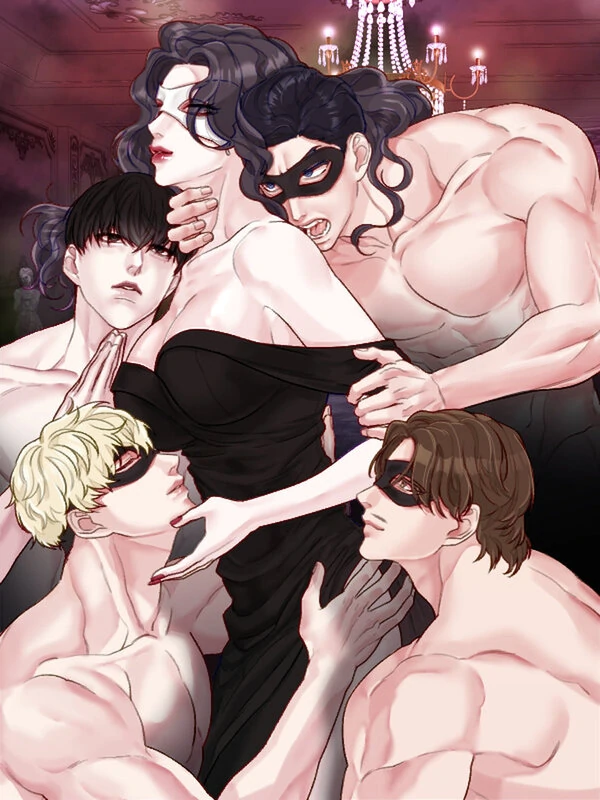
Playing With Karma – Main Plot and Review
Dive deep into Playing With Karma, the intense Josei/Smut Manhwa where Ahn Somi orchestrates BDSM revenge. Explore trauma, romance, and drama in this full-color webtoon.
|||
# Unleash the Chains of Fate: A Deep Dive into the Psychological and Sizzling World of Playing With Karma Manhwa
## Introduction: The Phenomenon of Playing With Karma
In the sprawling, vibrant landscape of contemporary digital comics, certain titles emerge not merely as entertainment, but as profound cultural statements, challenging conventions and pushing the boundaries of storytelling. Among these, the full-color manhwa sensation, **Playing With Karma**, stands as a towering example of psychological depth interwoven with audacious, mature themes. This isn't just another webtoon; it's a meticulously crafted narrative that explores the darkest corners of human nature, the enduring power of trauma, and the complex, often unsettling, path to catharsis and revenge.
**Playing With Karma**, known also by its evocative Korean title, 플레이 카르마, has captivated a global audience with its intricate plot, compelling characters, and strikingly bold artistic direction. It fearlessly ventures into territories often shied away from in mainstream media, particularly the intricate world of SM/BDSM/SUB-DOM dynamics, but not as a mere spectacle. Instead, these elements serve as a powerful, metaphorical lens through which the protagonist’s journey of retribution and self-discovery is meticulously unfurled. This manhwa operates on multiple layers, delivering thrilling drama, simmering romance, and profound insights into the human condition, all while maintaining an undeniably mature and sometimes explicit tone.
The core premise, as tantalizingly introduced, revolves around Ahn Somi, a woman who has endured profound wrongs and subsequently transforms herself into the enigmatic "queen" of The Garden of Eden. This clandestine BDSM club becomes her elaborate stage, a theater of vengeance where the roles are reversed, and the predators of her past become her unwitting playthings. Her mission is clear: to exploit the very perversions of these men, not for pleasure, but to inflict a carefully measured, psychologically devastating pain. It’s a concept that immediately hooks readers, promising a narrative rich in dramatic tension and moral ambiguity.
As a Josei(W) webtoon, **Playing With Karma** targets a mature female audience, exploring themes of female empowerment, trauma recovery, and complex romantic relationships with a nuanced perspective. However, its dark undertones and compelling exploration of power dynamics also appeal to elements of the Seinen(M) demographic, showcasing its broad, mature appeal. The designation of "Smut" is not merely for shock value; it signifies the unflinching portrayal of sexual themes and their critical role in the narrative, particularly in how Somi reclaims agency and inflicts her unique brand of "play karma" on those who wronged her. The full-color presentation further elevates the experience, making every panel a visual feast, enhancing the emotional impact and the immersive quality of this dark, seductive tale of revenge.
From its very inception, **Playing With Karma** establishes itself as a work of intense emotional gravity and visceral impact. It challenges readers to confront uncomfortable truths about justice, forgiveness, and the seductive nature of control. This deep dive aims to unravel the layers of this fascinating webtoon, dissecting its plot, characters, artistry, and thematic resonance, demonstrating why it's a must-read for anyone seeking a truly unforgettable and thought-provoking experience within the world of manhwa and webtoons.
## In-Depth Plot Analysis & World Building of Playing With Karma
The narrative architecture of **Playing With Karma** is nothing short of brilliant, constructing a world that feels both familiar in its urban decay and terrifyingly unique in its clandestine operations. At its heart lies "The Garden of Eden," a secret BDSM club that transcends the typical depiction of such establishments. It's not just a location; it's a character in itself, a carefully curated arena for Ahn Somi's intricate game of retribution. The club's atmosphere is meticulously detailed, designed to be opulent yet foreboding, a gilded cage where the usual power dynamics are masterfully subverted. Velvet drapes, low lighting, and the scent of expensive cigars and leather create an intoxicating, almost suffocating ambiance.
The "rules" of The Garden of Eden are unwritten but implicitly understood: discretion is paramount, desires are absolute, and the 'Mistress' – Ahn Somi – holds ultimate authority. This isn't a place for casual encounters; it's a sanctuary for the elite, the powerful, and the depraved, who come seeking specific forms of release or domination. The irony, of course, is that these men, accustomed to exercising control in their outside lives, willingly submit to a woman who is secretly orchestrating their downfall. This setting perfectly encapsulates the narrative's central theme of power reversal and the psychological nuances of SM/BDSM/SUB-DOM as tools for both pleasure and profound manipulation.
Ahn Somi's journey into becoming the "queen" is a gradual reveal, skillfully woven into the present-day revenge plot. The manhwa expertly uses flashbacks, subtle hints, and character interactions to paint a picture of her past trauma. We learn, piece by painstaking piece, the extent of the injustices she suffered, the specific men who wronged her, and the profound emotional scars they left. This isn't a simple revenge tale born of petty grievance; it's a deep-seated vendetta fueled by systemic abuse, betrayal, and the profound violation of her dignity. The targets are not random; they are men interconnected by a web of corruption, privilege, and a shared history of preying on the vulnerable, particularly Somi herself.
The initial setup of **Playing With Karma** sees Somi in full command, a master strategist employing her intellect and carefully cultivated persona to dismantle her targets psychologically. Her methods are not about physical torture in the traditional sense, but about exploiting their hidden weaknesses, their deepest fears, and their most perverse desires. She uses their own perversions as weapons against them, turning their supposed sources of pleasure into instruments of discomfort, humiliation, and existential dread. For example, a man who delights in controlling others might find himself forced into a submissive role that strips him of his public façade, forcing him to confront his own powerlessness. Another who revels in inflicting pain might find his own body and mind pushed to the brink, mirroring the suffering he caused. These acts are carefully choreographed, each session a theatrical performance designed to extract not just compliance, but a profound internal reckoning.
The narrative of **Playing With Karma** is not monolithic; it introduces complications and unforeseen conflicts that elevate it beyond a straightforward revenge story. The introduction of characters who are not part of Somi’s revenge list, or those who pose a threat to her operation, adds layers of intrigue. Perhaps a suspicious club employee, a detective on the trail of a missing person linked to The Garden of Eden, or even a rival seeking to usurp her position. These external pressures force Somi to adapt, improvise, and sometimes, to question the very righteousness of her path. The drama intensifies as her carefully constructed world shows cracks, forcing her to make difficult choices that blur the lines between justice and further transgression.
Beyond the confines of The Garden of Eden, the world-building of **Playing With Karma** subtly sketches out the societal context that allowed Somi’s tormentors to flourish. We catch glimpses of the corporate boardrooms, the political backrooms, and the exclusive social circles where these men wielded their power with impunity. The manhwa doesn't just focus on the individual acts of revenge; it critiques a broader system of privilege and corruption that often protects the powerful, making it incredibly difficult for victims like Somi to find conventional justice. This undercurrent of social commentary adds significant weight to the narrative, transforming it from a personal vendetta into a poignant commentary on power dynamics in modern society.
The intertwining of present revenge and past trauma is a masterstroke in **Playing With Karma**. Each session in The Garden of Eden is often juxtaposed with a flashback to the specific incident that fuels Somi’s current actions. This narrative technique serves multiple purposes: it justifies her ruthless methods in the eyes of the reader, deepens our understanding of her emotional wounds, and highlights the direct correlation between the 'play karma' she inflicts and the 'real karma' her targets accrued. These flashbacks are not merely exposition; they are emotional gut punches that underscore the profound tragedy that set Somi on this dark path. They reveal the sheer vulnerability she once experienced, contrasting starkly with her current formidable persona, making her journey of reclamation all the more compelling and her choices, no matter how extreme, feel earned within the context of the story. This meticulous unfolding of past and present ensures that the reader is deeply invested in every twist and turn of Ahn Somi’s revenge odyssey.
## Comprehensive Character Study
The heart and soul of **Playing With Karma** lie in its deeply intricate characters, particularly the magnetic and multifaceted protagonist, Ahn Somi. The narrative spares no effort in peeling back the layers of her psyche, revealing a woman forged in the crucible of immense suffering.
### Protagonist Analysis: Ahn Somi
Ahn Somi is an extraordinary character, a paragon of resilience twisted by profound trauma into a figure of terrifying beauty and calculated ruthlessness. Her past is a tapestry of abuse, betrayal, and helplessness, the details of which are gradually unveiled to the reader, each revelation adding another piece to the puzzle of her transformation. She was once vulnerable, a victim of powerful men who exploited her innocence and trust, leaving indelible scars on her soul. This extensive trauma—ranging from emotional manipulation to physical and sexual violations—did not break her spirit entirely, but instead catalyzed a profound metamorphosis.
Her psyche is a fascinating paradox: on one hand, she harbors deep-seated pain and vulnerability, the echoes of her past self; on the other, she projects an impenetrable facade of control, dominance, and cold intelligence. She has meticulously crafted her persona as the "queen" of The Garden of Eden, embodying an idealized image of power that she was once denied. This public persona is a psychological armor, protecting her fragile core while simultaneously serving as a weapon. Every movement, every word, every calculated glance is part of this elaborate performance, designed to instill fear and respect in her 'clients' and her enemies alike.
Somi’s motivation for revenge is not simplistic; it's a complex brew of righteous indignation, a yearning for justice, and arguably, a desperate need for catharsis. She isn't merely seeking to punish; she's seeking to rebalance a cosmic scale, to make these men experience a fraction of the powerlessness and humiliation they inflicted upon her. There’s a psychological imperative at play: by dominating her past tormentors, she is symbolically reclaiming her stolen agency and rewriting her own narrative from victim to victor. However, her journey is fraught with internal conflict. Does she truly find healing through this dark path, or is she merely perpetuating a cycle of pain, albeit with reversed roles? The manhwa masterfully explores these moral ambiguities, forcing readers to question the nature of justice and the cost of revenge.
Her growth arc is perhaps the most compelling aspect of her character. While initially driven by pure vengeance, the narrative hints at the potential for evolution. As she navigates the perilous landscape of her revenge, Somi is confronted with unexpected challenges, unforeseen relationships, and moments of self-reflection. She might find herself questioning the effectiveness of her methods, the toll it takes on her own soul, or even the ultimate satisfaction it brings. Does she find genuine connection amidst the chaos? Does she allow herself to be vulnerable again? These are the questions that drive her personal journey, transforming her from a one-dimensional avenger into a deeply human figure struggling with the weight of her past and the consequences of her present actions. Her strength lies not just in her ability to dominate, but in her capacity to endure, to strategize, and potentially, to rediscover a semblance of peace.
Somi’s complexity is her defining trait. She is ruthless, yet capable of profound empathy for others who have suffered. She is a master manipulator, yet occasionally reveals moments of raw, unguarded emotion. Her calculated ruthlessness is born not of innate malice, but of a deep wound that demanded an extraordinary response. This multi-faceted portrayal ensures that she is never a mere archetype, but a living, breathing character, compelling readers to both admire her strength and lament her pain. She is, in essence, the embodiment of "play karma" – a force that operates on a stage of her own making, reflecting the darkness she endured back upon its originators.
### Antagonist/Side Character Analysis
The antagonists in **Playing With Karma** are not cookie-cutter villains; they are men crafted to embody the very corruption and depravity that necessitated Somi's transformation. Each target is carefully selected, representing a specific form of wrongdoings from Somi's past. We encounter powerful businessmen, politicians, or influential figures who abused their positions to exploit the vulnerable. Their "perversions" are not just kinks; they are extensions of their power hunger, their disregard for others, and their deep-seated moral failings. The manhwa delves into their backstories, albeit briefly, to reveal how their privilege and lack of accountability fostered their twisted desires, making them ripe for Somi's unique brand of retribution. Their characterizations are designed to evoke both revulsion and, occasionally, a twisted sense of pity as Somi meticulously dismantles their self-assured facades.
Beyond the primary targets, **Playing With Karma** enriches its world with a host of intriguing side characters. These might include the loyal staff of The Garden of Eden, who either serve as silent witnesses to Somi's schemes or become active participants, each with their own mysterious motivations. Their backstories, if hinted at, often reflect a similar brushes with injustice, providing a silent solidarity with Somi’s cause. There might also be unexpected allies who appear, offering support or resources, complicating Somi's isolated journey. Conversely, potential threats emerge from external forces – rival organizations, law enforcement, or individuals seeking to expose The Garden of Eden. Each side character, no matter how minor, contributes to the intricate web of deceit, loyalty, and danger that surrounds Somi. They serve as foils, confidantes, or obstacles, pushing Somi to evolve and react, preventing her journey from becoming a solitary, linear path.
### Relationship Dynamics (Chemistry)
The relationship dynamics in **Playing With Karma** are as complex and multifaceted as its protagonist. Central to these dynamics is the intricate dance of power and submission inherent in Somi's BDSM interactions with her targets. These are rarely straightforward sexual encounters; they are meticulously orchestrated sessions designed to strip the men of their perceived authority and force them into vulnerability. The chemistry here is one of psychological warfare, where Somi masterfully plays on their desires and fears to achieve her objectives. The dynamic is transactional, yes, but also deeply psychological, exploring how power can be both a weapon and a tool for catharsis.
However, the LSI keyword "BG romance manga" hints at a deeper, more personal romantic thread beyond the revenge plot. If a male lead emerges, their relationship with Somi is undoubtedly one of the most crucial elements of the narrative. This potential romance is unlikely to be conventional. It would most likely stem from an unexpected source – perhaps a man who initially appears as an antagonist, a curious observer, or someone drawn into The Garden of Eden for reasons unrelated to Somi's revenge.
The chemistry between Somi and a potential romantic interest would be charged with tension and moral ambiguity. Could such a man truly understand the depths of her trauma and her chosen path of vengeance? Would he seek to save her, or would he accept her for who she has become? The relationship would likely explore themes of trust, vulnerability, and redemption. It wouldn't be a simple "love story," but a tumultuous journey where both characters are forced to confront their own scars and expectations. The SM/BDSM elements, if they feature in this romantic relationship, would take on a different nuance – shifting from pure power play to a language of intimacy, trust, and shared exploration, or perhaps even a means for Somi to process her trauma with a partner who genuinely understands. The evolution of this chemistry, from initial distrust or intrigue to potential acceptance and deep emotional connection, would be a cornerstone of the manhwa’s emotional depth, offering a glimmer of hope or a new layer of complexity to Somi’s dark, solitary world.
## Artistic Review: The Visual Mastery of Playing With Karma
The visual storytelling in **Playing With Karma** is nothing short of exceptional, a full-color spectacle that elevates the narrative from compelling to unforgettable. The artists behind this webtoon demonstrate a microscopic attention to detail, transforming every panel into a rich tapestry of emotion, atmosphere, and raw power. The full-color format is utilized to its utmost potential, saturating the reader's experience with a vibrant yet often somber palette that perfectly complements the dark, mature themes.
The **line work** is a foundational element of its artistic strength. It is remarkably precise and versatile. For character expressions, the lines are often delicate, fluid, and expressive, capturing the subtle nuances of Somi's calculated coolness or a victim's sudden terror. In contrast, the outlines for figures, especially during moments of action or dominance in The Garden of Eden, can become bolder, sharper, lending a sense of strength and definitive form. Environmental details, such as the intricate lace of Somi's attire or the ornate carvings in the club, are rendered with meticulous cross-hatching and fine linework, demonstrating an incredible commitment to realism and texture. This duality in line weight guides the reader's eye, emphasizing character emotions during close-ups and lending gravitas to wider, more dramatic shots.
**Shading** in **Playing With Karma** is a masterclass in mood creation and depth perception. It largely employs a sophisticated blend of gradient and painterly techniques, moving far beyond simple cel-shading. Shadows are not mere blocks of color; they are soft, atmospheric washes that add immense volume to figures and objects. Light sources are consistently depicted, casting realistic shadows that define space and create a sense of three-dimensionality. In The Garden of Eden, heavy, dramatic chiaroscuro is often used, with deep shadows obscuring parts of faces or bodies, heightening the mystery and the psychological tension. This use of light and shadow is particularly effective in accentuating the dramatic moments, such as a spotlight on Somi’s face as she delivers a scathing line, or the interplay of light on the contorted expressions of her targets. The shading is also used to convey texture – the sheen of leather, the softness of velvet, the cold glint of metal – making the world feel tangible and immersive.
The **color palette** is thoughtfully chosen to reflect the story's tone. While it is a "full-color" manhwa, it's not always overtly bright. Instead, it often favors deep, rich tones: crimson reds, royal purples, and midnight blues dominate the club scenes, evoking a sense of luxury, danger, and hidden desires. Outside The Garden of Eden, the colors might become slightly more muted, with grays and browns reflecting the often-harsh reality of Somi’s past and the corrupt world she operates within. Strategic splashes of vibrant color, perhaps a shocking red dress or the piercing gleam in Somi’s eyes, are used to draw attention to crucial details or heighten emotional impact. This controlled use of color prevents visual fatigue and ensures that every hue serves a narrative purpose, from defining character emotions to enhancing the overarching atmosphere.
**Character design** is a standout feature. Ahn Somi herself is a marvel of aesthetic and psychological portrayal. Her facial expressions range from an icy, emotionless mask to fleeting moments of vulnerability, all conveyed with remarkable precision. Her body language is assertive, powerful, and graceful, whether she's commanding a room or subtly manipulating a target. Her fashion, especially within The Garden of Eden, is exquisite, often featuring sophisticated BDSM-inspired attire that embodies her dominance and allure. The designs for the antagonists are equally effective, subtly hinting at their inner corruption through their exaggerated features or their subtly unsettling postures, even when they appear outwardly respectable. Every character’s design is a testament to their personality and role in the story.
The **panel flow and layout** are incredibly dynamic, reflecting the webtoon format's unique advantages. Artists utilize a vertical scrolling experience to build suspense, deliver sudden reveals, and control pacing. Long, slender panels can create a sense of slow dread or intense focus, while wider, more expansive panels allow for dramatic reveals or panoramic shots of The Garden of Eden. The layout is not afraid to experiment, employing overlapping panels, splash pages for high-impact moments, and sometimes, a fragmented, almost cinematic approach to convey rapid action or psychological distress. This careful orchestration of paneling ensures that the reader's journey through the story is fluid, engaging, and emotionally resonant, making the reading experience truly immersive and impactful.
Finally, the **depiction of SM/BDSM** elements is handled with a blend of artistic flair and narrative purpose. It is often suggestive and alluring, focusing on the psychological aspects of power dynamics, submission, and control rather than gratuitous explicitness. When physical elements are shown, they are rendered with a focus on form, emotion, and the narrative consequences of the acts, rather than cheap titillation. The art manages to convey the sensuality and intensity of these interactions without sacrificing the story's dramatic weight or the characters' emotional depth, making the mature themes feel integral to Somi's revenge rather than just background noise.
## Why Playing With Karma Stands Out: A Comparative Analysis
**Playing With Karma** carves out a distinctive niche in the crowded landscape of revenge narratives and mature webtoons, setting itself apart through its intricate blend of psychological depth, thematic audacity, and artistic prowess. While it shares common threads with other genre giants, its unique approach ensures it leaves an indelible mark.
Comparing it to classic revenge stories like Alexandre Dumas’ *The Count of Monte Cristo* or Park Chan-wook’s film *Oldboy*, **Playing With Karma** deepens the psychological stakes. While Monte Cristo orchestrates a meticulously planned downfall and Oh Dae-su seeks answers and retribution, Somi's revenge is far more personal and visceral. Her weapon isn't just intellect or brute force; it's the very perversions of her targets, inverted and used against them in a profoundly intimate and humiliating manner. Unlike the often-physical brutality in *Oldboy*, Somi’s inflicted pain is predominantly psychological, aiming to dismantle her targets from the inside out, making her brand of retribution uniquely insidious and compelling.
Within the manhwa and webtoon space, we can draw parallels to works like *The Villainess is a Marionette* or *The Remarried Empress*, which also feature strong female protagonists reclaiming agency after past wrongs. However, **Playing With Karma** goes significantly further into the darkness. While those stories often involve strategic maneuvering within high society and focus on political or social revenge, Somi's revenge dives into the explicit realm of SM/BDSM. This isn't merely a stylistic choice; it's fundamental to her method of reclaiming power over those who took advantage of her vulnerability. Her direct confrontation with sexual power dynamics, turning it into a tool of justice, makes her narrative much bolder and more confrontational than its counterparts, firmly establishing it in the "Smut" category with purpose.
When considering BDSM or Smut narratives, the immediate popular culture touchstone might be *Fifty Shades of Grey*. However, **Playing With Karma** transcends the often-criticized superficiality of such works. While *Fifty Shades* focuses on an exploration of consensual BDSM within a burgeoning romance, **Playing With Karma** uses SM/BDSM as a *mechanism of trauma processing and punitive justice*. Somi's dominance isn't merely for erotic pleasure; it's a meticulously calculated act of reversal, a means for her to control the controllers, inflict symbolic pain, and reclaim the agency that was violently stripped from her. It explores the darker, more complex psychological underpinnings of these dynamics, making it a far more challenging and thought-provoking narrative. The power dynamics are explicitly linked to past injustices, imbuing every interaction with a profound weight and moral complexity that mere titillation cannot achieve.
In the realm of Josei drama, works like *Cheese in the Trap* or *What's Wrong With Secretary Kim* are celebrated for their romantic intricacies and character development. **Playing With Karma** pushes the boundaries of typical Josei themes by injecting a raw, unfiltered exploration of revenge, trauma, and the explicit sexual dynamics of power. While it incorporates elements of romance and drama, these are always filtered through the lens of Somi’s dark mission and her damaged psyche. It challenges readers to grapple with difficult questions about morality, justice, and the healing process in ways that typical Josei titles, even mature ones, often shy away from.
Ultimately, **Playing With Karma** stands out because it masterfully synthesizes these diverse elements – the strategic brilliance of a classic revenge tale, the emotional depth of Josei drama, and the explicit, challenging themes of SM/BDSM – into a cohesive, compelling, and utterly unique narrative. It doesn't shy away from the ugliness of human nature, but instead confronts it head-on, presenting a protagonist who is both a victim and a formidable avenger. Its full-color art, deep psychological analysis, and willingness to explore uncomfortable truths secure its position as a truly groundbreaking and unforgettable manhwa experience.
## FAQ: Everything You Need to Know about Playing With Karma
### Is Playing With Karma suitable for all readers?
Absolutely not. **Playing With Karma** is explicitly categorized as Mature and Smut for a reason. It delves into very dark, adult themes including revenge, profound psychological trauma, sexual exploitation (in the context of past abuse), and explicit SM/BDSM/SUB-DOM content. The narrative does not shy away from depicting the physical and emotional intensity of these dynamics, both as instruments of revenge and as potential elements of complex romantic relationships. Readers should be prepared for potentially triggering content related to abuse and sexual themes. It is intended for a mature audience who can engage with complex moral dilemmas and challenging subject matter, understanding that the explicit elements serve a crucial narrative purpose rather than being gratuitous.
### What genres does Playing With Karma combine?
**Playing With Karma** is a masterful blend of several compelling genres, creating a rich and multi-layered reading experience. At its core, it's a powerful Drama and an intense Revenge story. It firmly falls within the Josei(W) demographic, exploring themes often appealing to mature female audiences, though its darker elements also draw in Seinen(M) readers. Crucially, it incorporates significant Smut and SM/BDSM/SUB-DOM elements, using these explicit themes as integral components of the protagonist's journey of reclamation and justice. There are also strong undertones of Romance, particularly in the development of certain character relationships, often complicated by the existing revenge plot. Finally, the story is steeped in Tragedy, as it constantly reflects on the profound past traumas that set the entire narrative in motion. This unique combination makes **Playing With Karma** a standout in the webtoon world.
### Where can I read Playing With Karma legally?
To ensure you're supporting the creators and getting the best quality experience, it is highly recommended to read **Playing With Karma** on official platforms. As a popular manhwa and webtoon, it is typically available on digital comic platforms licensed to distribute it. One such platform is JellyComics, where you can find the complete series in its full-color glory. Always check the official publisher's website or reputable digital comic apps for availability in your region. Reading legally not only provides a seamless, high-definition experience but also directly contributes to the artists and writers who bring these incredible stories to life, enabling them to continue creating more captivating works like **Playing With Karma**.
### Does Playing With Karma have a strong romantic element?
Yes, **Playing With Karma** does feature a significant romantic element, though it is far from a conventional love story. While the initial premise is firmly rooted in revenge and trauma, the narrative intricately weaves in complex relationship dynamics that evolve beyond simple power plays. The "BG romance manga" LSI keyword is indicative of this. The romance often develops organically amidst the chaos of Somi's mission, challenging her carefully constructed emotional barriers. These romantic relationships are usually intense, fraught with moral ambiguities, and deeply influenced by the characters' pasts and the SM/BDSM themes central to the story. The chemistry is often palpable, reflecting deep emotional and psychological connections that go beyond the surface. For readers seeking a romance that is challenging, mature, and deeply entwined with a compelling dramatic narrative, **Playing With Karma** delivers an unforgettable experience.
### What profound themes are explored in Playing With Karma?
**Playing With Karma** is a thematic powerhouse, delving into a multitude of profound and often uncomfortable subjects. At its core, it explores the devastating impact of **trauma** and the complex, often dark, paths individuals take to cope and heal. **Revenge** is a central theme, examined not just as an act, but as a journey that raises questions about justice, morality, and the potential for self-destruction. The manhwa also provides a nuanced exploration of **power dynamics**, particularly within sexual contexts (SM/BDSM/SUB-DOM), examining how power can be abused, reclaimed, and redefined. **Agency** and **empowerment** are key as Somi transforms from victim to controller. Other themes include the corrosive nature of **corruption** and privilege, the blurred lines between **good and evil**, the possibility of **redemption** (for both protagonists and antagonists), and the enduring human search for **catharsis** and peace amidst profound suffering. These themes are not presented lightly but are deeply integrated into the character arcs and plot, making **Playing With Karma** a truly thought-provoking narrative.
## Final Verdict: Why You Must Read It at JellyComics
As a Lead Comic Critic, I’ve had the privilege of witnessing countless narratives unfold, but very few leave an imprint as profound and lasting as **Playing With Karma**. This isn't merely a recommendation; it's an imperative for any mature reader seeking a webtoon that dares to be different, that challenges expectations, and that meticulously crafts a world brimming with psychological tension, breathtaking drama, and an undeniable, seductive allure. **Playing With Karma** transcends its genre labels, evolving into a masterpiece of modern storytelling.
What sets this full-color manhwa apart is its unwavering commitment to depth. The narrative doesn't shy away from the ugliness of human nature or the devastating repercussions of trauma. Instead, it confronts these realities head-on, delivering a protagonist in Ahn Somi whose journey from profound victimhood to formidable avenger is both harrowing and empowering. Her psychological complexity, her internal battles, and her evolving motivations ensure she remains compelling and relatable, even as she orchestrates audacious acts of retribution. The subtle exploration of whether her path leads to true healing or merely another form of suffering is a testament to the sophistication of the writing, making every chapter a suspenseful and emotionally charged experience.
Artistically, **Playing With Karma** is a visual feast. The microscopic attention to detail in the line work, the masterful use of atmospheric shading, and the emotive full-color palette combine to create an immersive world. Every panel is a work of art, conveying mood, character expression, and environmental richness with precision and flair. The nuanced depiction of SM/BDSM elements, handled with a focus on psychological power dynamics rather than gratuitousness, further elevates the artistic maturity of this webtoon. The visuals are not just pretty; they are integral to the storytelling, enhancing every dramatic reveal and emotional beat.
The comparative analysis demonstrates that **Playing With Karma** doesn't just borrow from its predecessors; it redefines the boundaries of the revenge narrative, the Josei drama, and the mature Smut genre. It takes familiar tropes and imbues them with a fresh, challenging perspective, offering a story that is both deeply personal and broadly resonant with themes of justice, power, and the human condition. The potential for a deeply intertwined BG romance further complicates and enriches Somi's arc, adding layers of vulnerability and genuine connection amidst the darkness.
For those who have yearned for a story that combines intense drama, compelling character studies, mature romance, and a truly unique approach to revenge, **Playing With Karma** is an absolute revelation. It’s a manhwa that demands your attention, sparks introspection, and leaves you eagerly anticipating every twist and turn.
Do not miss out on this phenomenal journey. Experience the captivating world of Ahn Somi, the thrilling plot, and the exquisite artistry firsthand. Read **Playing With Karma** today at JellyComics and discover why this deep dive only scratches the surface of its brilliance. Prepare to be ensnared, provoked, and utterly enthralled.
Frequently Asked Questions about Playing With Karma
What genre is Playing With Karma? Generally, Playing With Karma falls under the Manhwa,, Manhwa, Webtoon,, Webtoon, Josei(W),, Josei(W), Seinen(M),, Seinen(M), Mature,, Mature, Smut,, Smut, Drama,, Drama, Full Color,, Full Color, Revenge,, Revenge, Romance,, Romance, SM/BDSM/SUB-DOM,, SM/BDSM/SUB-DOM, Tragedy, Tragedy category, featuring a storyline focused on character emotions and engaging plot twists.
Why should you read Playing With Karma? If you enjoy stories with emotional depth, well-developed characters, and unexpected turns, Playing With Karma is definitely a great choice.
Who is Playing With Karma suitable for? Depending on the specific arc, Playing With Karma can be suitable for both newcomers and long-time fans of this genre.
If you love Playing With Karma, don’t forget to check out similar series at Truyện tranh 18+.
To explore more reviews and perspectives on Playing With Karma, you can refer to https://jellycomics.com/nhom-dich/jellycomics/.
Jelly Comics (JC) là trang web truyện tranh hàng đầu dành cho những người đam mê truyện tranh. Với một bộ sưu tập đa dạng và phong phú, trang web đem đến cho bạn những giờ phút giải trí tuyệt vời và một trải nghiệm truyện tranh hoàn toàn miễn phí. Nếu bạn là một fan hâm mộ truyện tranh, hãy đến với JC để khám phá thế giới truyện tranh không giới hạn!Hãy truy cập vào Jelly Comics ngay hôm nay để khám phá thế giới truyện tranh đa dạng và thú vị. Là điểm đến lý tưởng cho những bạn đam mê truyện tranh và muốn khám phá thế giới đa dạng và thú vị của truyện tranh miễn phí. Thế giới truyện tranh đang chờ bạn khám phá!
Prologue
Chapter 50
Chapter 49
Chapter 48
Chapter 47
Chapter 46
Chapter 45
Chapter 44
Chapter 43
Chapter 42
Chapter 41
Chapter 40
Chapter 39
Chapter 38
Chapter 37
Chapter 36
Chapter 35
Chapter 34
Chapter 33
Chapter 32 : S1 Finale
Chapter 31
Chapter 30
Chapter 29
Chapter 28
Chapter 27
Chapter 26
Chapter 25
Chapter 24
Chapter 23
Chapter 22
Chapter 21
Chapter 20
Chapter 19
Chapter 18
Chapter 17
Chapter 16
Chapter 15
Chapter 14
Chapter 13
Chapter 12
Chapter 11
Chapter 10
Chapter 9
Chapter 8
Chapter 7
Chapter 6
Chapter 5
Chapter 4
Chapter 3
Chapter 2
Chapter 1


