- Tên khác: Love in a Drunken Haze, Tình Trong Men Say, 酔中の恋
- Tác giả: Anatolia Mervyn
- Nhóm Dịch: Jellycomics ©
- Thể loại: Hài Hước, JELLYCOMICS ©, Lãng Mạn, Manhwa, RAW, Tình Cảm, Truyện Màu, Yaoi
- Thẻ: 18+ BL romance, adult webtoon, Đam Mỹ manhwa, mature BL, psychological BoyLove, Tình Trong Men Say, trauma romance manhwa
- Trạng thái: OnGoing
- Ngày thêm: 03/30/2026
- Tổng lượt xem: 31
Tình Trong Men Say by author Anatolia Mervyn is a manga series that has garnered significant attention. The following article provides a detailed overview of the plot, setting, and why Tình Trong Men Say is worth adding to your reading list.
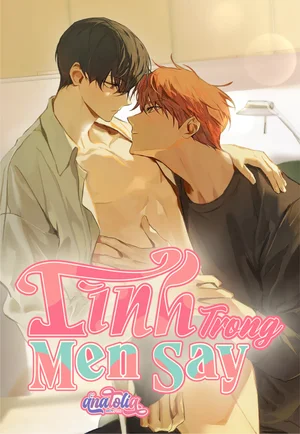
Tình Trong Men Say – Main Plot and Review
Tình Trong Men Say offers an intoxicating blend of 18+ romance, intricate characters, and stunning art. A must-read Đam Mỹ manhwa!
|||
# Tình Trong Men Say: Unveiling the Intoxicating Depths of Desire and Trauma in a Groundbreaking 18+ Đam Mỹ Manhwa
Welcome, fellow enthusiasts of profound narratives and breathtaking artistry, to a deep dive that promises to dissect every nuance of a truly captivating work. As the Lead Comic Critic at JellyComics, it is my distinct pleasure to pull back the curtain on a phenomenon that has been sending ripples through the *BoyLove* community: *Tình Trong Men Say*. This isn't just another *Đam Mỹ* story; it's an immersive experience, a psychological journey cloaked in the vibrant hues of a *Truyện Màu* masterpiece, and an unflinching exploration of human desire, vulnerability, and the intricate dance between friendship and forbidden passion.
## Introduction: The Phenomenon of Tình Trong Men Say
The landscape of *Manhwa* has been continuously evolving, pushing boundaries and captivating audiences with its unique blend of artistic flair and narrative depth. In this vibrant ecosystem, a select few titles manage to transcend mere popularity to become a bona fide phenomenon, sparking fervent discussions and earning a devoted following. *Tình Trong Men Say* is undeniably one such title, having carved out a significant niche for itself within the highly competitive *18+* and *Yaoi* genres. It's a work that doesn't just tell a story; it embodies an experience, resonating with readers on multiple emotional and psychological levels.
What makes *Tình Trong Men Say* such a standout? It begins with its premise, deceptively simple yet laden with explosive potential: the intense, unspoken longing of Jinha for his roommate, Woohee. This familiar trope of unrequited love amongst housemates is given an electrifying twist through the story's careful pacing and the profound emotional realism of its characters. The narrative expertly builds a suffocating tension, allowing readers to inhabit Jinha's world of yearning and self-restraint. Every shared glance, every casual touch, every silent moment in their shared space becomes charged with Jinha's suppressed emotions. This initial setup is critical in establishing the psychological groundwork for the eventual eruption of their true feelings.
The title itself, *Tình Trong Men Say*, hints at the pivotal moment that shatters the fragile equilibrium of their platonic facade. The phrase "men say" (drunkenness) immediately suggests a lowering of inhibitions, a moment where unspoken truths come spilling forth, unburdened by the usual constraints of rationality or social decorum. This central incident, triggered by alcohol, acts not as a mere plot device but as a profound catalyst, forcing both characters to confront desires they might have otherwise kept buried. It's a testament to the author, *Anatolia Mervyn*, that this critical moment feels earned and inevitable, rather than contrived.
Furthermore, *Tình Trong Men Say* benefits immensely from its status as a *Truyện Màu*. The full-color artistry elevates the emotional impact, transforming static panels into dynamic, living scenes. The vibrant palette not only makes the characters and settings pop but also masterfully conveys mood, atmosphere, and the intensity of the characters' internal states. In the *Đam Mỹ* space, where visual appeal often goes hand-in-hand with emotional resonance, the exquisite artwork of *Tình Trong Men Say* is a major draw, pulling readers deeper into its intoxicating world.
Beyond the initial hook and stunning visuals, the enduring appeal of *Tình Trong Men Say* lies in its nuanced exploration of themes that resonate deeply with the *BoyLove* audience. It deftly navigates the complexities of desire, consent, identity, and the oftentimes messy journey of self-discovery within the context of an intense romantic relationship. The blend of *Hài Hước* (humor) and profound *Lãng Mạn* (romance) creates a rich tapestry of emotions, preventing the narrative from becoming overly melancholic despite its darker psychological undertones. This balance ensures that while readers are drawn into the characters' struggles, they also find moments of levity and genuine warmth, making the overall reading experience both poignant and thoroughly engaging. This introductory overview merely scratches the surface, but it firmly establishes why *Tình Trong Men Say* is not just another *BL manga* but a compelling narrative deserving of an exhaustive review.
## In-Depth Plot Analysis & World Building of Tình Trong Men Say
The narrative of *Tình Trong Men Say* is a masterclass in slow-burn tension and psychological unraveling, set against the seemingly mundane backdrop of university life. From the outset, the story immerses us in the claustrophobic yet intimate world shared by Jinha and Woohee. Their dormitory room isn't just a living space; it's a crucible where unspoken desires and repressed emotions simmer beneath the surface of everyday interactions. The initial chapters meticulously establish this environment, highlighting the proximity that fuels Jinha's longing and the constant awareness he has of Woohee's presence. Every shared meal, every study session, every moment of silence is charged with Jinha's internal monologue, painted with the brushstrokes of desperate hope and resigned despair.
Jinha's perspective dominates the early narrative, offering readers an unfiltered view into his internal struggles. He is presented as someone deeply burdened by his secret affection for Woohee, a burden exacerbated by their living arrangement. The plot cleverly utilizes this setup to explore themes of boundaries – both physical and emotional – and the constant negotiation of personal space when one's heart harbors a forbidden wish. The world-building, while not fantastical, is acutely realistic, depicting the pressures and casual cruelties of university social dynamics. The supporting cast, though initially peripheral, contributes to this realistic setting, providing a backdrop against which Jinha and Woohee's intense personal drama unfolds. These interactions subtly reinforce Jinha's feelings of isolation despite being surrounded by peers.
The pivotal incident, alluded to in the premise, occurs during a night of heavy drinking. This is not a sudden, out-of-character event, but rather the culmination of weeks, if not months, of simmering tension and Jinha's progressively frayed emotional state. The alcohol acts as a potent disinhibitor, tearing down the carefully constructed walls Jinha has built around his feelings. What ensues is a passionate, intense encounter that irrevocably alters the dynamic between the two roommates. The narrative here is raw and unflinching, portraying the physical intimacy with the explicit detail expected of an *18+* *Manhwa*, yet always grounding it in the emotional chaos of the characters. This isn't gratuitous; it's integral to the plot, serving as the explosive catalyst for all subsequent developments.
Following this night, the plot shifts gears from a narrative of unrequited longing to a complex exploration of the aftermath. The initial confusion and awkwardness are palpable, masterfully conveyed through Jinha's internal monologues and the strained interactions between him and Woohee. This phase of the story is particularly strong in its psychological realism. Jinha grapples with shame, fear, and a resurgence of hope, all while trying to decipher Woohee's inscrutable reactions. Woohee, on the other hand, remains enigmatic, his behavior a perplexing mix of avoidance, casualness, and subtle possessiveness. This ambiguity keeps the reader (and Jinha) constantly on edge, questioning the true nature of his feelings. The contrast between Jinha's overt emotional turmoil and Woohee's seemingly detached demeanor forms the core dramatic tension of this post-incident phase.
The world-building continues to serve the plot by illustrating how their changed relationship impacts their daily lives. The shared room, once a symbol of Jinha's quiet suffering, now becomes a charged space, fraught with unspoken expectations and lingering desires. The narrative explores how the secret of their night impacts their friendships, their studies, and their future aspirations. The casual university setting becomes a microcosm for their struggle, where they must navigate their tumultuous personal lives while maintaining a veneer of normalcy. The series skillfully uses the *Truyện Màu* format to enhance these emotional beats; color palettes shift to reflect mood, and panel layouts emphasize moments of intimacy or profound isolation.
As the story progresses, *Tình Trong Men Say* delves deeper into the motivations behind Woohee's actions. What initially appears to be indifference or even cruelty begins to reveal layers of its own complexity. The narrative slowly peels back these layers, hinting at Woohee's own vulnerabilities, his past experiences, and perhaps even his own suppressed desires. This slow revelation of Woohee's character is crucial, transforming him from a one-dimensional object of Jinha's affection into a fully fleshed-out individual with his own internal conflicts. This prevents the story from becoming a mere wish-fulfillment fantasy and elevates it into a more mature exploration of reciprocal (though often misunderstood) affection.
The plot does not offer easy answers or quick resolutions. Instead, it meticulously traces the painstaking process of two individuals attempting to understand each other and themselves. It addresses the difficult conversations, the misunderstandings, and the painful moments of realization that are inherent in any complex relationship, especially one born out of a moment of drunken vulnerability. The interplay between *Hài Hước* and *Lãng Mạn* ensures that while the characters face genuine emotional hardships, there are also moments of tender connection, lighthearted banter, and blossoming affection that provide much-needed relief and depth. The story uses these lighter moments not to detract from the seriousness but to highlight the multifaceted nature of their evolving *Tình Cảm*. The initial plot setup is just the beginning; the true genius of *Tình Trong Men Say* lies in its sustained commitment to exploring the nuanced psychological aftermath and the tortuous path toward genuine emotional connection, making it a compelling *BoyLove* narrative that stands out among other *BL manga* offerings.
## Comprehensive Character Study
The heart and soul of *Tình Trong Men Say* lie in its meticulously crafted characters, particularly the protagonist, Jinha, and the enigmatic Woohee. Their internal landscapes are as rich and complex as the vibrant *Truyện Màu* artwork that brings them to life, offering readers a truly immersive psychological experience within this *Đam Mỹ* narrative. The genius of *Anatolia Mervyn* truly shines in the depth afforded to these individuals.
### Protagonist Analysis: Jinha's Psyche, Trauma, and Growth Arc
Jinha is not merely a protagonist; he is the emotional anchor of *Tình Trong Men Say*, and his perspective is largely our window into this intoxicating world. From the very beginning, Jinha is presented as a character defined by his intense, unrequited love for his roommate, Woohee. This love, however, is not a simple crush; it's a profound, almost debilitating fixation that has seeped into every aspect of his existence. His internal monologues are a torrent of anxieties, hopes, and self-deprecating thoughts, painting a vivid picture of a young man consumed by a desire he believes to be shameful and unattainable.
His psyche is characterized by a deep-seated insecurity, likely stemming from a combination of past experiences (though not explicitly detailed, it's implied through his constant fear of rejection and abandonment) and a general lack of self-worth when compared to the seemingly perfect Woohee. He views himself as fundamentally less desirable, less confident, and less capable of attracting someone like Woohee. This self-perception fuels his intense internal conflict: the burning desire to be close to Woohee versus the crippling fear of revealing his true feelings and facing inevitable rejection. He often fantasizes, but immediately chastises himself, believing such dreams are foolish and unattainable. This internal struggle contributes significantly to the *Lãng Mạn* tension but also adds layers of psychological drama.
The "trauma" for Jinha, while perhaps not in the traditional sense of a singular traumatic event (apart from the main incident, which acts as a catalyst rather than a source of pre-existing trauma), lies in the prolonged emotional agony of unreciprocated love and the constant self-inflicted pain of suppressing his true self. He lives in a state of emotional paralysis, unable to move forward, yet unable to fully let go. The act of sharing a room with the object of his affection becomes a daily torture, a constant reminder of what he cannot have. This prolonged emotional state creates a form of psychological trauma, where his self-esteem is continually eroded by the perceived impossibility of his desires.
The fateful night, fueled by alcohol, acts as both a catastrophic event and a pivotal moment for Jinha's growth arc. In the immediate aftermath, Jinha experiences a whirlwind of emotions: shame, guilt, confusion, and a terrifying flicker of hope. He is convinced he has ruined everything, that Woohee will now despise him. This initial reaction highlights his deeply ingrained fear of rejection and his tendency to catastrophize. However, as the story progresses, Jinha is forced to confront the reality of their altered relationship. He can no longer pretend his feelings don't exist, nor can he simply return to their old dynamic.
His growth arc is a slow, arduous journey of self-acceptance and learning to communicate. Initially, he retreats into himself, trying to undo the event, to wish it away. But as Woohee's reactions become more complex and less overtly rejecting, Jinha tentatively begins to allow himself to hope. This process is fraught with setbacks, misunderstandings, and moments of despair, but it is through these struggles that Jinha starts to shed his insecurities. He learns to articulate his desires, albeit imperfectly, and to demand clarity from Woohee. His growth is marked by his willingness to take risks, to be vulnerable, and to fight for the *Tình Cảm* he so desperately craves. This transformation from a passively suffering individual to someone actively pursuing his own happiness is a testament to the depth of his character. He begins to understand that his worth is not solely defined by Woohee's affection, but by his own resilience and courage.
### Antagonist/Side Character Analysis: Woohee's Enigma and Supporting Roles
Woohee is the captivating enigma at the heart of *Tình Trong Men Say*. Initially, he appears as the seemingly perfect, popular, and effortlessly charming roommate, almost a foil to Jinha's introverted anxieties. However, to label him purely as an "antagonist" would be overly simplistic and would diminish the intricate layers of his character that *Anatolia Mervyn* carefully unravels. Instead, Woohee functions more as a catalyst and a complex love interest whose motivations and feelings are shrouded in mystery, keeping both Jinha and the reader perpetually guessing.
His early portrayal suggests an almost casual indifference, or at least a lack of awareness, regarding Jinha's profound feelings. He is friendly, sometimes teasing, but never overtly affectionate in a romantic sense. This perceived nonchalance only intensifies Jinha's suffering and reinforces his belief that his love is unrequited. However, post-incident, Woohee's behavior becomes much more ambiguous. He doesn't immediately recoil or reject Jinha outright. Instead, he exhibits a perplexing mix of avoidance, possessiveness, and a subtle, almost territorial, protectiveness. He might ignore Jinha one moment, only to subtly touch him or make a loaded comment the next. This inconsistent behavior is crucial to the *Lãng Mạn* and psychological tension of *Tình Trong Men Say*.
As the story progresses, flashes of Woohee's own vulnerabilities and complexities begin to emerge. The narrative hints at a past that might have shaped his guarded demeanor, perhaps previous heartbreaks or a fear of commitment. His ambiguity is not just a narrative device; it's a reflection of his own internal conflicts and uncertainties about his feelings for Jinha. He grapples with the sudden shift in their relationship, possibly questioning his own sexuality or the depth of his unspoken desires. His possessiveness, initially seeming like a controlling trait, could also be interpreted as a raw, untamed expression of affection he doesn't yet know how to articulate or acknowledge. This blend makes him incredibly compelling, challenging the reader's initial judgment and inviting a deeper understanding of his character, pushing the boundaries of typical *Yaoi* archetypes.
The side characters in *Tình Trong Men Say* play crucial, though often understated, roles in shaping the main narrative and providing external perspectives. They serve various functions: some offer comic relief, others act as sounding boards for Jinha, and a few provide external conflict or motivation. For instance, close friends of Jinha might notice his distress and offer well-meaning but often unhelpful advice, highlighting his isolation. Peers might comment on Woohee's popularity, further emphasizing Jinha's perceived inadequacy. These characters contribute to the realistic "university life" *world-building*, making the core relationship feel more grounded. They also provide moments of *Hài Hước*, breaking the often-intense emotional atmosphere with lighthearted interactions, which is a hallmark of good *BL manga*.
Crucially, these secondary figures often act as mirrors or foils. Their presence can either highlight the intensity of Jinha's feelings or underscore Woohee's enigmatic nature. For example, if another character expresses interest in Jinha, it might provoke a subtle, jealous reaction from Woohee, providing Jinha (and the reader) with valuable clues about Woohee's true feelings. These interactions are carefully woven into the fabric of the story, never overshadowing the main couple but always serving to deepen our understanding of their complex dynamic within the vibrant world of this *18+ Đam Mỹ Truyện Màu*.
### Relationship Dynamics (Chemistry) in Tình Trong Men Say
The relationship between Jinha and Woohee is the pulsating core of *Tình Trong Men Say*, a tumultuous yet undeniably magnetic connection that defies simple categorization. Their chemistry is a potent blend of intense longing, raw passion, profound vulnerability, and frustrating misunderstandings, making it a compelling study in *Tình Cảm* that pushes the boundaries of typical *BoyLove* narratives.
Before the "incident," their dynamic is one of unspoken adoration from Jinha's side and seemingly oblivious friendship from Woohee's. This pre-existing imbalance lays the groundwork for the explosive tension that follows. Jinha's longing is almost tangible, saturating every interaction, every shared silence. This unilateral emotional investment creates a profound sense of yearning that draws the reader into Jinha's world of quiet suffering. The chemistry here is subtle but powerful, built on the almost unbearable proximity of the two, the stolen glances, and Jinha's internal monologues dissecting every small gesture from Woohee. This undercurrent of suppressed desire is a major driving force in the early chapters.
The drunken encounter acts as a catastrophic turning point, an unceremonious tearing down of all pretenses. From this moment, their relationship evolves into a complex push-and-pull dynamic. There’s an undeniable physical chemistry that is explicitly and sensually portrayed, living up to the *18+* rating of the *Manhwa*. The physicality is raw and intense, but it is always deeply intertwined with emotional vulnerability. It’s not just about sex; it’s about the collision of two souls grappling with unforeseen desires and the terrifying intimacy that follows. The *Truyện Màu* format excels in conveying this sensual atmosphere, using specific color palettes and shading to highlight the passion and tenderness of their intimate moments.
However, their chemistry is not without its challenges. Miscommunication and fear are pervasive. Jinha's insecurity and fear of rejection often lead him to misinterpret Woohee's actions or to avoid direct confrontation. Woohee, conversely, struggles with articulating his own feelings, often resorting to cryptic remarks or actions that leave Jinha bewildered. This constant dance of uncertainty creates both dramatic tension and moments of genuine *Hài Hước*, as their attempts to navigate their new dynamic often lead to awkward, relatable situations. The humor arises from the sheer messiness of human emotions and the fumbling attempts to bridge the gap between spoken words and unspoken truths.
The evolution of their *Tình Cảm* is slow and organic. It moves from pure physical attraction and initial confusion to a gradual, hesitant understanding. They learn to communicate, not always verbally, but through shared experiences, subtle gestures, and moments of quiet intimacy. The relationship explores themes of consent, not just as a one-time agreement, but as an ongoing negotiation within an evolving emotional landscape. The possessiveness that Woohee sometimes displays, initially alarming, slowly reveals itself as a raw manifestation of his growing attachment, often misunderstood by Jinha who is still scarred by his insecurities. This dynamic provides a realistic portrayal of how complex and often messy love can be.
Ultimately, the chemistry between Jinha and Woohee is captivating because it feels authentic. It’s a messy, passionate, and sometimes frustrating journey, but it’s undeniably real. It shows how desire can break down barriers, how vulnerability can forge connection, and how two seemingly disparate individuals can find common ground in their shared emotional landscape. *Tình Trong Men Say* excels in showcasing a relationship that is both deeply romantic (*Lãng Mạn*) and psychologically intricate, cementing its place as a standout *Đam Mỹ* *Yaoi* title within the broader *BL manga* genre.
## Artistic Review: The Visual Mastery of Tình Trong Men Say
The visual artistry of *Tình Trong Men Say* is nothing short of magnificent, playing an integral role in elevating this *Đam Mỹ* *Manhwa* from a compelling narrative to an immersive sensory experience. The creative genius of *Anatolia Mervyn* (or the credited artist) is evident in every meticulously crafted panel, making the *Truyện Màu* format not just a stylistic choice but a fundamental component of the storytelling. This is art designed to evoke, to intensify, and to fully engross the reader in the emotional landscape of Jinha and Woohee.
**Line Work:** The foundation of *Tình Trong Men Say*'s visual appeal lies in its incredibly versatile line work. The lines are consistently clean and precise, yet they possess a fluidity that breathes life into every character and scene. For character outlines, the lines are often firm and confident, lending a sense of stability and definition. However, when conveying emotion, the line work becomes remarkably expressive. For instance, in moments of Jinha's distress, subtle variations in line weight can create a sense of trembling or fragility around his features. In contrast, during passionate *18+* scenes, the lines become softer, more sensual, and curvilinear, emphasizing the contours of the body and the flow of movement, enhancing the *Yaoi* appeal. The artist masterfully uses delicate, almost ethereal lines for softer, more vulnerable expressions, juxtaposed with bolder, more definitive strokes to convey determination or anger. This meticulous control over line quality allows for a broad spectrum of emotional and physical expression.
**Shading:** The shading in *Tình Trong Men Say* is an art form in itself, moving far beyond mere rendering of form to become a powerful tool for atmosphere and mood. The artist employs a wide range of shading techniques, from soft, diffused gradients that create a dreamy, romantic ambiance during intimate moments to sharp, dramatic contrasts that heighten tension or emphasize internal conflict. During intense, sensual scenes, delicate cross-hatching or smooth airbrushing might be used to give skin a luminous quality, enhancing the eroticism. Conversely, deep shadows are often utilized to obscure parts of a character's face, symbolizing hidden emotions or the secrets they harbor. The interplay of light and shadow is particularly striking; light sources are thoughtfully placed to highlight key facial features or body parts, drawing the reader's eye and focusing attention on the emotional crux of a panel. This intricate shading contributes significantly to the *Lãng Mạn* and dramatic weight of the story.
**Color Palette:** As a *Truyện Màu*, the color palette of *Tình Trong Men Say* is a central pillar of its artistic mastery. The colors are not just arbitrarily chosen; they are deliberate, symbolic, and deeply integrated into the narrative's emotional beats. Vibrant, warm hues like soft oranges, passionate reds, and gentle pinks are often deployed during moments of blossoming *Tình Cảm* or intense desire, enveloping the scene in an aura of warmth and intimacy. Conversely, cooler tones – blues, purples, and muted grays – are used to convey Jinha's loneliness, anxiety, or moments of profound sadness. The artist also uses specific color schemes for characters, subtly hinting at their personalities; for instance, Woohee might be often associated with cooler, more mysterious tones, while Jinha leans towards warmer, more vulnerable shades. The dynamic use of color to shift mood from *Hài Hước* moments to deeply emotional ones is particularly impressive, allowing the visual experience to ebb and flow with the story's emotional rhythm.
**Panel Flow:** The panel layout and flow are expertly orchestrated, guiding the reader's eye seamlessly through the narrative and controlling the pacing of the story. The artist demonstrates a sophisticated understanding of visual storytelling, employing a variety of panel sizes and arrangements. Tight close-ups of characters' faces, often focusing on their eyes or lips, emphasize emotional intensity and draw the reader into their internal world. Dynamic, asymmetrical panel layouts are used during action-oriented or highly emotional sequences, creating a sense of urgency and movement. In contrast, simpler, grid-like layouts might be used for quieter, reflective moments, allowing the reader to linger on details. The strategic use of full-page spreads is particularly impactful, often reserved for pivotal emotional breakthroughs or stunning visual declarations, making these moments truly memorable. The transitions between panels are fluid, often using visual cues like repeating motifs or directional lines to maintain continuity and enhance readability, a key aspect of successful *Manhwa* presentation.
**Character Design:** The character designs are aesthetically pleasing and highly expressive, which is paramount for an *18+ BoyLove* *Manhwa*. Jinha and Woohee are drawn with distinct features that reflect their personalities – Jinha's softer, more vulnerable appearance contrasting with Woohee's sharper, more confident, and undeniably seductive features. Their facial expressions are incredibly nuanced, conveying a vast spectrum of emotions without relying solely on dialogue. Every twitch of an eyebrow, every subtle shift in a gaze, communicates volumes. The body language is equally compelling, especially in the *18+* scenes, where anatomical accuracy is combined with an artistic sensuality that highlights the intimacy and passion. The designs are consistently attractive, fulfilling the aesthetic expectations of the *Yaoi* genre, but they are also deeply expressive, grounding the physical allure in authentic emotional reality.
**Backgrounds and Environmental Storytelling:** The backgrounds in *Tình Trong Men Say* are often meticulously detailed, grounding the narrative in a believable and atmospheric world. From the cozy clutter of their dorm room to the bustling university campus or serene outdoor settings, the environments are rendered with care, adding depth and context to the characters' interactions. These backgrounds are not merely decorative; they contribute to the storytelling, reflecting the characters' moods or setting the stage for significant events. For instance, a cluttered room might symbolize Jinha's internal chaos, while a secluded, sun-dappled spot could represent a moment of peaceful intimacy. The environmental art enhances the *world-building*, making the reader feel truly immersed in the story's setting.
In summary, the artistic execution of *Tình Trong Men Say* is exemplary. Every element, from the delicate line work and masterful shading to the vibrant color palette and dynamic panel flow, works in concert to tell a deeply emotional and visually stunning story. This commitment to visual excellence firmly establishes *Tình Trong Men Say* as a benchmark for *Truyện Màu* within the *18+ Đam Mỹ* and *BL manga* genres.
## Why Tình Trong Men Say Stands Out: A Comparative Analysis
In the vast and ever-expanding universe of *BL manga* and *Manhwa*, distinguishing oneself requires more than just a compelling plot or attractive characters. *Tình Trong Men Say* achieves this distinction through its masterful blend of genre tropes with innovative psychological depth, earning its place among the giants of *18+ Đam Mỹ* narratives. It takes familiar elements of the *BoyLove* genre and imbues them with a raw, authentic emotional realism that elevates it beyond many of its contemporaries.
When comparing *Tình Trong Men Say* to other genre giants, one immediately notices its sophisticated handling of the "unrequited love" trope. Unlike many stories where the love interest is instantly receptive or overtly affectionate after the initial catalyst, Woohee's ambiguity in *Tình Trong Men Say* prolongs the tension and adds significant psychological weight. This nuanced portrayal of the love interest is reminiscent of the slow-burn, often morally gray character arcs seen in works like 'Killing Stalking' (though *Tình Trong Men Say* is far less graphic in its violence, it shares a similar commitment to deep character psychology) or 'Painter of the Night' in its initial power dynamics and the complexity of the characters' internal struggles. However, *Tình Trong Men Say* diverges by injecting a significant dose of *Hài Hước* and *Lãng Mạn* that prevents it from descending into pure darkness, maintaining a more balanced, albeit intense, emotional spectrum.
Its exploration of consent, desire, and the aftermath of a drunken encounter is particularly noteworthy. Many *18+* *Yaoi* titles might use such a scenario purely for titillation. However, *Tình Trong Men Say* delves into the emotional and psychological ramifications for both parties, meticulously dissecting Jinha's shame, confusion, and budding hope, as well as Woohee's own conflicted reactions. This thoughtful approach to a potentially problematic trope sets it apart from more superficial *Đam Mỹ* works, aligning it more with titles that prioritize character development and emotional realism alongside explicit content. It understands that *Tình Cảm* in an *18+ Manhwa* isn't just about the physical; it's about the emotional vulnerability and the complex dance of two souls navigating a new, unexpected reality.
Furthermore, the *Truyện Màu* format is utilized to its fullest potential, making the artwork a co-narrator rather than a mere illustration. While many popular *Manhwa* are in color, the level of detail in shading, line work, and color symbolism in *Tình Trong Men Say* rivals the best. It creates an atmosphere that is both intimate and epic, capable of conveying intense passion as effectively as profound despair. This visual mastery ensures that the emotional impact of every scene is maximized, making it a standout in visual storytelling compared to simpler color schemes or black-and-white *BL manga*. The art, championed by the vision of *Anatolia Mervyn*, contributes massively to its unique identity.
The dynamic between Jinha and Woohee also offers a refreshing take. While there are elements of the dominant/submissive archetypes common in *Yaoi*, *Tình Trong Men Say* subverts these by presenting both characters with significant internal power struggles. Jinha, despite his initial submissive demeanor, undergoes a powerful growth arc where he learns to assert his needs and desires. Woohee, the seemingly dominant one, is revealed to have his own vulnerabilities and insecurities, making their relationship a more equitable, albeit turbulent, partnership rather than a one-sided dynamic. This complexity allows the *Tình Cảm* to feel more earned and relatable.
In conclusion, *Tình Trong Men Say* stands out because it doesn't shy away from the complexities of human emotion and desire. It takes familiar *BoyLove* tropes, injects them with a potent dose of psychological realism, and wraps it all in breathtaking *Truyện Màu* artistry. It's a testament to how the *Đam Mỹ* genre can evolve, offering not just escapism, but a profound exploration of what it means to love, desire, and grow, firmly establishing itself as a must-read within the *BL manga* landscape.
## FAQ: Everything You Need to Know about Tình Trong Men Say
### H3: What makes Tình Trong Men Say a standout in the 18+ Đam Mỹ Manhwa genre?
*Tình Trong Men Say* distinguishes itself through its exceptional blend of psychological depth, intricate character development, and stunning *Truyện Màu* artistry. Unlike many *18+ BoyLove* titles that might prioritize explicit scenes, this *Manhwa* meticulously explores the emotional and psychological aftermath of its central premise – a drunken encounter between roommates Jinha and Woohee. It delves into themes of unrequited love, consent, self-worth, and the challenging journey of mutual understanding, grounding its sensual moments in profound emotional reality. The narrative's careful pacing, coupled with the ambiguity of Woohee's character and Jinha's profound growth arc, creates a layered *Tình Cảm* story that resonates deeply with readers seeking more than just surface-level romance in their *Đam Mỹ*.
### H3: Is Tình Trong Men Say suitable for readers new to the Yaoi or BL manga genre?
While *Tình Trong Men Say* is an *18+* *Yaoi* *Manhwa*, making it suitable for mature audiences only, it could be a compelling entry point for new readers within that age bracket who are looking for a story with substance. Its strength lies in its strong characterization and relatable emotional struggles, which transcend typical genre clichés. However, newcomers should be aware of the explicit content and the often-intense emotional drama. If you appreciate detailed psychological narratives, complex relationship dynamics, and breathtaking *Truyện Màu* art, and are comfortable with mature themes, then *Tình Trong Men Say* offers a rich and rewarding experience that exemplifies the best of the *BoyLove* genre.
### H3: How does the artwork of Tình Trong Men Say contribute to its storytelling?
The *Truyện Màu* artwork in *Tình Trong Men Say* is integral to its storytelling, moving beyond mere illustration to become a powerful narrative tool. The artist, *Anatolia Mervyn*, uses a masterful command of line work, shading, and a vibrant color palette to convey mood, emotion, and character depth. Delicate lines might express vulnerability, while bold strokes highlight passion. Strategic use of light and shadow intensifies dramatic moments or sensual scenes, characteristic of high-quality *18+ Đam Mỹ*. The dynamic panel flow guides the reader's eye, controlling pacing and emphasizing key emotional beats. This visual artistry ensures that every nuance of Jinha and Woohee's *Tình Cảm*, from their moments of *Hài Hước* to profound *Lãng Mạn*, is felt viscerally, making the reading experience exceptionally immersive and visually stunning.
### H3: What kind of character development can readers expect in Tình Trong Men Say?
Readers can expect profound and realistic character development, particularly for the protagonist, Jinha. He begins as a deeply insecure young man consumed by unrequited love and fear of rejection. Through the central incident and its complex aftermath, Jinha undergoes a significant growth arc, learning to confront his fears, articulate his desires, and gradually build self-worth. Woohee, initially enigmatic and seemingly detached, also reveals layers of his own vulnerabilities and internal conflicts as the story progresses, moving beyond a simple love interest to a fully three-dimensional character. Their journey is messy, filled with misunderstandings and painful realizations, but it is ultimately a compelling exploration of personal growth and the forging of a deep, complex *Tình Cảm* within this *BL manga*.
### H3: Where can I read the full series of Tình Trong Men Say?
For the most authentic and supportive reading experience, the full series of *Tình Trong Men Say* is available on reputable platforms that license *Manhwa*. We at JellyComics are proud to highlight works of such caliber. While we cannot provide direct links in this review, we strongly encourage readers to seek out licensed versions to support the talented creators, including *Anatolia Mervyn*, and ensure the continued production of high-quality *18+ Đam Mỹ Truyện Màu* like this one. Check official *BoyLove* and *Yaoi* *Manhwa* distribution sites for availability in your region.
## Final Verdict: Why You Must Read It at JellyComics
As a Lead Comic Critic at JellyComics, it is not often that a *Manhwa* completely captivates me with its profound emotional depth and unparalleled artistic execution. *Tình Trong Men Say* is one such rare gem, a masterpiece within the *18+ Đam Mỹ* genre that transcends expectations and delivers an experience that is both intoxicating and deeply moving. This isn't just a story about two roommates; it's a meticulously crafted journey into the complexities of desire, vulnerability, and the transformative power of love.
What truly sets *Tình Trong Men Say* apart is its unflinching commitment to character psychology. Jinha's internal struggles, his fear, his longing, and his eventual growth arc are rendered with such raw honesty that readers can't help but empathize with his every emotion. Woohee, the enigmatic catalyst, is equally compelling, his actions and motivations slowly unraveling to reveal a character far more intricate than his initial cool exterior suggests. Their *Tình Cảm* is a turbulent yet undeniably magnetic dance, filled with the frustrating push-and-pull of miscommunication and the explosive passion that defines truly unforgettable *BoyLove* narratives. The blend of *Hài Hước* and intense *Lãng Mạn* ensures that the emotional rollercoaster is always engaging and never monotonous.
Furthermore, the *Truyện Màu* artistry is simply breathtaking. Every panel is a testament to the skill of *Anatolia Mervyn*, with exquisite line work, masterful shading, and a rich, symbolic color palette that amplifies every emotional beat. Whether it's the tender blush of an intimate moment or the somber hues of a character's despair, the visuals elevate the storytelling to an art form, making *Tình Trong Men Say* a visual feast that enhances its *18+ Yaoi* appeal. This isn't just a *BL manga* to read; it's a world to immerse yourself in.
For anyone seeking a *Đam Mỹ Manhwa* that offers more than just superficial romance – one that delves into the messy, beautiful, and sometimes painful realities of human connection – *Tình Trong Men Say* is an absolute must-read. It challenges, it provokes, and ultimately, it rewards with a story that lingers long after the final panel. At JellyComics, we champion stories that leave an indelible mark, and *Tình Trong Men Say* does precisely that. Dive into this intoxicating narrative; you won't regret getting lost in its depths.
Frequently Asked Questions about Tình Trong Men Say
What genre is Tình Trong Men Say? Generally, Tình Trong Men Say falls under the various genres category, featuring a storyline focused on character emotions and engaging plot twists.
Why should you read Tình Trong Men Say? If you enjoy stories with emotional depth, well-developed characters, and unexpected turns, Tình Trong Men Say is definitely a great choice.
Who is Tình Trong Men Say suitable for? Depending on the specific arc, Tình Trong Men Say can be suitable for both newcomers and long-time fans of this genre.
If you love Tình Trong Men Say, don’t forget to check out similar series at Boylove.
To explore more reviews and perspectives on Tình Trong Men Say, you can refer to https://jellycomics.com/nhom-dich/jellycomics/.
Jelly Comics (JC) là trang web truyện tranh hàng đầu dành cho những người đam mê truyện tranh. Với một bộ sưu tập đa dạng và phong phú, trang web đem đến cho bạn những giờ phút giải trí tuyệt vời và một trải nghiệm truyện tranh hoàn toàn miễn phí. Nếu bạn là một fan hâm mộ truyện tranh, hãy đến với JC để khám phá thế giới truyện tranh không giới hạn!Hãy truy cập vào Jelly Comics ngay hôm nay để khám phá thế giới truyện tranh đa dạng và thú vị. Là điểm đến lý tưởng cho những bạn đam mê truyện tranh và muốn khám phá thế giới đa dạng và thú vị của truyện tranh miễn phí. Thế giới truyện tranh đang chờ bạn khám phá!


